How to Prune Indian mint?
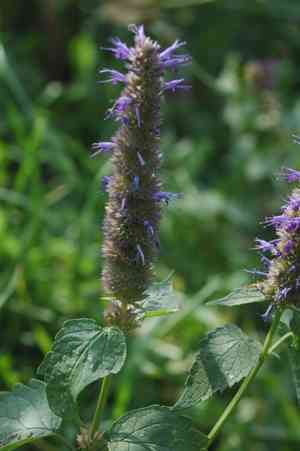
Recognized for its fragrant foliage and clusters of lavender-blue blossoms, indian mint flourishes with early spring trimming to eliminate lifeless stalks and stimulate fresh development. Throughout the summer, remove faded flowers to encourage further blooming. Perform a light pruning in autumn to sculpt the plant and ready it for the colder months. This practice not only preserves indian mint's aesthetic but also boosts leaf thickness and optimizes its medicinal and decorative attributes.
What Are the Benefits of Pruning Indian Mint?
What Are the Benefits of Pruning Indian Mint?
Trimming indian mint encourages flower production, promotes vigorous development, and keeps a compact shape, ensuring both visual appeal and plant vitality. Regular cutting can prevent excessive growth and potential pest issues.
What Is the Best Time for Pruning Indian Mint?
What Is the Best Time for Pruning Indian Mint?
Spring is optimal for pruning indian mint as it coincides with the start of the growth period, allowing the plant to recover and produce new growth rapidly. Early Summer is suitable for shaping the plant, fostering bushier development and removing spent blooms to encourage further flowering. Late Fall, once blooming has ceased, is an appropriate time to cut back indian mint, preparing it for winter and preventing potential damage from rot or illness that might occur in damp, cold conditions. These periods ensure the plant maintains strength, health, and abundant flowers in its natural blooming cycle.
What Tools Do I Need to Prune Indian Mint?
Bypass Pruners
Perfect for making clean cuts on indian mint's tender stems, bypass pruners inflict less harm to plant tissues, encouraging faster recovery.
Gardening Scissors
These are suitable for snipping off dead or yellowed leaves. Their precision is advantageous for thinning indian mint's dense foliage without harming nearby stems.
Pruning Saw
For mature indian mint with thicker, woodier stems, a pruning saw may be necessary for effective removal of old growth.
How to Prune Indian Mint
Identify
Examine indian mint for any indications of diseased, damaged, or withered leaves and flowers. Carefully assess all parts of the plant to ensure accurate identification of the areas that require trimming.
Sanitize
Before beginning the pruning process, disinfect the pruning shears with a solution of one part bleach to nine parts water to prevent the spread of disease during trimming.
Remove diseased leaves
Gently prune away any diseased leaves from indian mint by cutting them at the base of the leaf stem, ensuring not to damage adjacent healthy tissues. Dispose of these leaves properly to avoid contaminating the surrounding area.
Trim withered leaves
Trim off the withered leaves, following the same procedure as for the diseased leaves. Make clean cuts to promote faster healing and minimize stress on indian mint.
Deadhead withered flowers
Deadhead the withered flowers by cutting them back to the nearest set of healthy leaves or to a lateral flower bud to encourage indian mint to produce new blooms and maintain a tidy appearance.
Common Pruning Mistakes with Indian Mint
Over-pruning
Removing too much foliage can stress indian mint, reducing its ability to photosynthesize and grow properly.
Under-pruning
Neglecting to remove enough dead or diseased material may result in indian mint allocating resources to non-productive growth, which can diminish overall health and flowering vigor.
Pruning at wrong time
Even without specifying the best season, pruning at the wrong time relative to indian mint's growth cycles can impede flowering or cause excessive sap loss.
Improper cuts
Making cuts too close to the main stems, or leaving stubs, can invite disease and pests or hamper the healing process in indian mint.
Using dull tools
Pruning indian mint with dull tools can cause jagged cuts that do not heal efficiently, thereby increasing the risk of disease.
Common Pruning Tips for Indian Mint
Cleanliness
Sanitize pruning tools before and after tending to indian mint to prevent the spread of disease.
Sharp tools
Use sharp, clean shears or pruners to make clean cuts that heal quickly, reducing the chance of disease.
Optimal growth
Prune to maintain the shape of indian mint and to encourage airflow and light penetration, which can result in healthier growth and better flowering.
Deadheading
Regularly remove spent flowers of indian mint to promote continuous blooming throughout the growing season.
Selective thinning
Thin out crowded areas of indian mint to improve air circulation and reduce the likelihood of fungal diseases.



