How to Prune Anise hyssop?
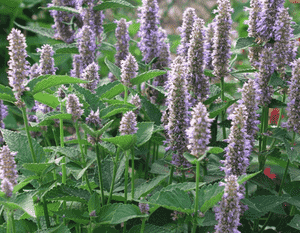
Distinguished by its fragrant leaves and pointed blossoms, anise hyssop flourishes under consistent care. Essential trimming entails snipping off faded flowers to encourage subsequent flowering and eliminating deceased or aged foliage to preserve its form. The ideal period for pruning extends from the beginning of spring to the end of summer, coinciding with its active development phases. Consistent trimming boosts the plant's robustness and amplifies its floral output, rendering it a beneficial routine for this aromatic, pollinator-attracting variety.
What Are the Benefits of Pruning Anise Hyssop?
What Are the Benefits of Pruning Anise Hyssop?
Trimming anise hyssop promotes strong development and maintains its desired shape, ensuring a balance between vegetative and reproductive growth for peak performance and visual appeal.
What Is the Best Time for Pruning Anise Hyssop?
What Is the Best Time for Pruning Anise Hyssop?
In early spring, anise hyssop is still dormant or just beginning to grow, making it an ideal time to prune without causing stress. This timing allows for the removal of winter damage and encourages robust new growth as the season progresses. Late summer pruning coincides with the end of anise hyssop's flowering period, typically in this season. By pruning then, gardeners can stimulate a second flush of growth and potentially extend the bloom time. Additionally, late summer pruning helps maintain the plant's form and vigor, ensuring it has time to recover before winter. Avoid pruning in late fall, as new growth might not harden off sufficiently before freezing temperatures, potentially harming the plant.
What Tools Do I Need to Prune Anise Hyssop?
Hand Pruners
Anise hyssop is a perennial herb with relatively soft stems, making hand pruners perfect for cutting back old growth and shaping the plant. They offer precise cuts and are easy to handle for deadheading or trimming.
Shears
For shaping and maintaining the dense foliage of anise hyssop, garden shears can be used to quickly and uniformly trim the plant, encouraging bushy growth and potentially more flower production.
Pruning Saw
If anise hyssop has developed woody stems too thick for hand pruners, a small pruning saw may be necessary to cleanly cut through the tougher material without damaging the plant.
How to Prune Anise Hyssop
Step1: Timing Your Pruning Perfectly
Sanitize your pruning shears or scissors with rubbing alcohol or a bleach solution to prevent disease transmission.
Step2: Sterilizing Pruning Tools
Identify damaged stems by their broken, split, or visibly injured appearance. Cut these stems back to a healthy set of leaves or buds using a 45-degree angle cut, at least 1/4 inch above the bud to encourage new growth.
Step3: Cutting Damaged Stems
Remove any dead leaves by gently pulling them off or cutting them at the base where they meet the stem, ensuring not to harm the healthy part of anise hyssop.
Step4: Removing Dead Leaves
Trim old flowers to maintain anise hyssop's appearance and encourage the plant to direct energy into new growth. Cut the stem of the spent flowers just above the first set of full, healthy leaves.
Step5: Deadheading Spent Blooms
After pruning damaged stems, dead leaves, and old flowers, evaluate the overall shape of anise hyssop. If needed, perform light shaping by trimming overgrown areas to maintain a pleasing form.
Step6: Shaping the Plant
Check for signs of pests or diseases while pruning and take appropriate measures if any are found to keep anise hyssop healthy.
Step7: Inspecting for Pests and Diseases
Properly dispose of the removed plant material, keeping it away from healthy anise hyssop plants to prevent any potential spread of disease.
Step8: Disposing of Pruning Debris
Water anise hyssop after pruning to aid its recovery and ensure it has sufficient moisture to support new growth.
Step9: Watering Post-Pruning
Monitor anise hyssop over the subsequent weeks for new growth and additional pruning needs. Regular upkeep can keep anise hyssop looking its best and performing well throughout the growing season.
Post-Pruning Care for Anise Hyssop
Post-Pruning Care for Anise Hyssop
Immediately after trimming anise hyssop, water thoroughly to alleviate stress. Optimize environmental conditions by ensuring full sun exposure and maintaining moderate humidity. Avoid extreme temperature fluctuations. Apply a balanced fertilizer to encourage growth. Regularly inspect for signs of stress, such as wilting or discoloration, and for infection indicators like spots or rot. Promptly treat any issues with appropriate fungicides or insecticides. Consistent monitoring and care ensure a robust recovery and continued vitality for anise hyssop.
Common Pruning Mistakes with Anise Hyssop
Over-aggressive Pruning Exceeds One-Third Limit
Pruning too aggressively, which can stress anise hyssop and hinder its growth or reduce its vigor. Removing more than one-third of the plant at a time should be avoided.
Improper Cutting into Woody Growth Rather Than Herbaceous Stems
Cutting into the woody, older growth of anise hyssop instead of focusing on the green, herbaceous stems, which can impair the plant's ability to regrow.
Failure to Remove Spent Flower Stalks Diminishes Blooms
Neglecting to remove spent flower stalks, which can lead to a decrease in new blooms and can cause the plant to look untidy and reduce its attractiveness.
Common Pruning Tips for Anise Hyssop
Use Clean, Sharp Shears for Healthy Pruning Cuts
Use clean, sharp pruning shears to make precise cuts on anise hyssop, which will promote healthier regrowth and reduce the risk of disease.
Regular Deadheading Encourages More Blooms
Regularly deadhead the spent flowers of anise hyssop to encourage continuous blooming throughout the season. This involves snipping off the flower heads as they begin to fade.
Light Pruning of Tips Promotes Bushier Growth
To maintain the shape and encourage bushier growth, lightly prune the tips of anise hyssop throughout the growing season. Being mindful not to overdo it will prevent stressing the plant.



