How to Prune Painted buckeye?
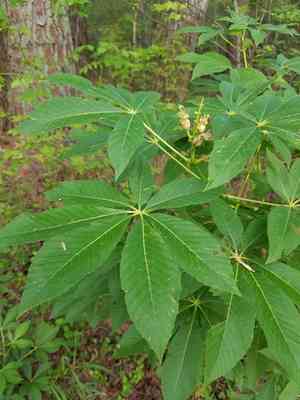
This forest understory plant is recognized for its decorative leaves and groupings of vibrant blossoms. For painted buckeye, judicious trimming preserves its form and stimulates robust development. Reduce the uppermost third of mature stalks to foster fresh sprouts. Eliminate deceased, injured, or intersecting limbs to improve air movement, focusing cuts at branch junctions. Perform pruning in late winter or early spring prior to foliage emergence. This schedule reduces sap leakage and the potential for disease, which is crucial for the painted buckeye's vigor and flower yield.
Advantages of Trimming Painted Buckeye
Advantages of Trimming Painted Buckeye
Trimming painted buckeye promotes robust development and helps maintain its desired form. Strategic cutting enhances air circulation, lowers disease risk, and fosters a dense, attractive shape.
Optimal Period for Pruning Painted Buckeye
Optimal Period for Pruning Painted Buckeye
Pruning painted buckeye in late winter or early spring is recommended as these seasons precede its active growth phase, ensuring rapid recovery from pruning and reducing the risk of disease and pest infestation that can occur in open wounds. Pruning before new growth begins allows gardeners to shape the plant without hindering flower production, as painted buckeye typically blooms in spring. Removing dead or weak branches at this time is ideal as it improves overall plant health and vigor, contributing to a more abundant flowering period.
Tools Required for Pruning Painted Buckeye
Hand pruners
Painted buckeye is a medium-sized, deciduous shrub that may occasionally need trimming to remove dead or damaged branches. Hand pruners are ideal for this task because they allow precise cuts and can handle branches up to 3/4 inches in diameter.
Loppers
For thicker branches, typically between 1 1/2 to 2 inches in diameter, loppers are the preferred tool. Their long handles provide leverage for clean cuts without straining the gardener or harming painted buckeye.
Pruning saw
When dealing with branches exceeding 2 inches in thickness, a pruning saw is essential. Painted buckeye's branches can sometimes grow thick enough to require this tool for a clean cut that will encourage healthy regrowth.
Pole pruner
Given that painted buckeye can grow quite tall, pole pruners can be used to reach and safely trim higher branches without a ladder, ensuring the gardener's safety while maintaining the plant's well-being.
Hedge shears
If shaping painted buckeye for hedging or a formal appearance, hedge shears are useful. They allow for even and aesthetically pleasing trimming and shaping of the foliage.
Gloves and Safety Glasses
While not cutting tools, personal protective equipment such as gloves and safety glasses are crucial for protecting the gardener while pruning painted buckeye.
How to Prune Painted Buckeye
Cleaning Tools
Sanitize pruning tools using a solution of one part bleach to nine parts water to prevent the spread of diseases.
Inspection
Carefully examine painted buckeye to identify diseased and withered leaves, as well as dead or diseased branches.
Removing Diseased Leaves
Gently remove diseased and withered leaves from painted buckeye, using sharp, clean pruners to make precise cuts without harming healthy parts.
Pruning Dead Branches
Cut dead branches from painted buckeye just outside the branch collar, avoiding a stub to promote proper healing.
Pruning Diseased Branches
Trim diseased branches from painted buckeye by cutting well below the affected areas, disposing of the diseased material immediately to prevent reinfection.
Common Pruning Errors with Painted Buckeye
Overpruning
Removing too much growth can stress painted buckeye, leading to reduced vigor and fewer blooms. Gardeners should avoid cutting away more than one-third of the plant's living tissue in a single session.
Improper Cut Placement
Cutting too far from a bud, or into old, woody growth without new buds, can result in unsightly stubs and delay the healing process. It can also lead to dieback and potential entry points for pests and diseases.
Tearing Bark
Using dull or inappropriate tools can cause the bark to tear during pruning, which can damage painted buckeye and lead to disease and decay.
Pruning For Shape Alone
Focusing exclusively on the plant's shape without considering the natural form of painted buckeye can inhibit its growth and flowering potential.
Shearing
Shearing painted buckeye as though it’s a hedge can remove flowering buds and alter its natural, spreading appearance, which is one of its desirable attributes.
General Pruning Advice for Painted Buckeye
Sharp Tools
Use sharp bypass pruners or loppers to make clean, angled cuts just above a bud or branch junction, focusing on promoting good health and allowing light and air to penetrate the canopy.
Selective Thinning
Thin out crowded branches selectively to improve air circulation and light penetration, which will enhance the health and beauty of painted buckeye.
Remove Dead Material
Regularly remove dead, diseased, or damaged wood to promote vigorous growth and prevent disease spread. This should be done as soon as the problematic branches are identified.
Control Size
Although it's not necessary to prune painted buckeye for size control regularly, if needed, prune back to a set of leaves facing the direction you want new growth to follow. This way, you can subtly influence the shape and size without drastic cuts.
Encourage Flowering
If necessary, prune immediately after flowering since painted buckeye form their flower buds in the summer for the following spring. This timing helps ensure that the flowering potential is not compromised.



