How to Prune Red buckeye?
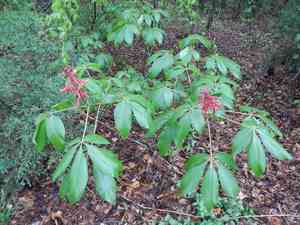
This compact, leaf-shedding shrub or tree features striking crimson blossoms and is favored by local fauna. For red buckeye, trimming ought to concentrate on excising lifeless or ailing branches and sculpting for visual appeal. The most suitable periods are late winter or early spring, prior to the emergence of fresh foliage. Pruning at this juncture fosters well-being, robust development, and amplifies blooming. Diligence is required to execute precise cuts and prevent excessive pruning, which can cause strain to red buckeye.
What Are the Benefits of Pruning Red Buckeye?
What Are the Benefits of Pruning Red Buckeye?
Trimming red buckeye promotes robust development, leading to a denser and stronger framework. It assists in maintaining a desired form, ensuring red buckeye remains visually appealing and well-proportioned within the landscape.
What Is the Best Time for Pruning Red Buckeye?
What Is the Best Time for Pruning Red Buckeye?
Pruning red buckeye during late winter or early spring is optimal because the plant is still dormant, minimizing the risk of damage or disease transmission. This timing allows for the removal of dead or compromised wood before new growth begins, fostering healthier and more vigorous development as the growing season starts. Furthermore, pruning before dormancy breaks ensures that the flowering potential is not diminished, as red buckeye blooms on old wood. Pruning after new growth or flowering can result in bloom loss and unnecessary plant stress. Therefore, adhering to these seasons supports the natural growth cycle and maximizes red buckeye's ornamental value.
What Tools Do I Need to Prune Red Buckeye?
Hand pruners
Perfect for cutting small stems and branches on red buckeye, typically under 3/4 inch in diameter. These tools ensure clean cuts without harming the plant's smaller branches.
Loppers
Suitable for cutting thicker branches, up to approximately 1 1/2 inches in diameter. Their extended handles provide the necessary leverage for cutting through red buckeye's medium-sized branches.
Pruning saw
Essential for cutting branches exceeding 1 1/2 inches in diameter. A pruning saw helps manage the mature and woody growth of red buckeye without tearing the bark.
Hedge shears
Useful for shaping red buckeye if cultivated as a hedge or for formal designs. However, for health-focused pruning, use them sparingly as they can create numerous small cuts that might stress red buckeye.
Pole pruner
Beneficial for reaching higher branches without needing a ladder. This tool offers a safe way to prune the upper sections of red buckeye from the ground.
How to Prune Red Buckeye
Step1: Plant Inspection for Pruning
Thoroughly examine red buckeye before pruning, identifying specific areas that need trimming, such as dead wood, damaged limbs, and weak shoots.
Step2: Pruning Tool Preparation
Gather the appropriate pruning tools, including a pair of clean, sharp secateurs, loppers, and a pruning saw for larger branches.
Step3: Dead Wood Removal
Begin with dead wood. Identify dead branches by their lack of foliage and brittle texture. Cut the dead wood back to living tissue, ensuring cuts are made at a slight angle to prevent water accumulation, which can lead to rot.
Step4: Damaged Limb Trimming
Proceed to damaged limbs. Prune any broken, diseased, or damaged limbs by cutting them back to healthy tissue. For large branches, use the three-cut method to prevent bark tearing: make an undercut notch away from the trunk, then a second cut a few inches further to cut through, and finally, the clean-up cut near the trunk.
Step5: Weak Shoots Clearance
Evaluate and remove weak shoots that do not contribute to red buckeye's desired shape. Trim these shoots close to the main branch, avoiding stubs.
Step6: Canopy Shaping Evaluation
After removing dead, damaged, and weak parts, step back to assess red buckeye's shape. Make additional selective cuts to improve air circulation and light penetration within the canopy if necessary.
Step7: Pruning Wound Cleaning
Clean all pruning wounds on red buckeye with a sharp knife to promote faster healing, being careful not to remove the branch collar, as it is crucial for proper wound closure.
Step8: Pruned Material Disposal and Tool Sterilization
Promptly dispose of all pruned material to reduce the risk of disease and pests. Sterilize your pruning tools with a solution of one part bleach to nine parts water to prevent the spread of pathogens between plants.
Step9: Post-Pruning Irrigation
Water red buckeye after pruning to help reduce plant stress and aid recovery.
Step10: Post-Pruning Monitoring
Monitor red buckeye over the subsequent weeks for any signs of disease or pest infestation at the pruning sites and take appropriate action if issues arise.
Post-Pruning Care for Red Buckeye
Post-Pruning Care for Red Buckeye
Immediately after pruning red buckeye, water the soil to encourage healing and reduce stress. Ensure red buckeye receives filtered sunlight and protect it from extreme temperatures. Maintain ambient humidity to prevent leaf drying. Apply a balanced, slow-release fertilizer to support new growth. Monitor red buckeye for wilting, discoloration, or oozing wounds, which indicate stress or disease. If these signs appear, treat promptly with appropriate fungicides or pest control measures, and adjust care practices as needed.
Common Pruning Mistakes with Red Buckeye
Over-pruning can shock plants
Excessive pruning at once can shock red buckeye, leading to reduced vitality and potential dieback.
Unclean tools spread disease
Failing to sanitize cutting tools between uses, which can transmit disease to red buckeye or other garden plants.
Improper cutting techniques damage plants
Using incorrect cutting methods, such as tearing branches or making flush cuts against the trunk, which could harm red buckeye and hinder proper healing.
Over-trimming reduces flowering
Removing too many flower buds, which can significantly decrease the floral display for which red buckeye is known.
Ignoring plant's natural shape
Disregarding the natural form of red buckeye, resulting in an unnatural appearance and potential stress on the plant.
Pruning without purpose harms health
Pruning without a clear objective, causing unnecessary wounds and potentially impeding red buckeye's overall health.
Common Pruning Tips for Red Buckeye
Clean cuts at 45-degree angle for growth
Make clean cuts at a 45-degree angle approximately 1/4 inch above an outward-facing bud or branch, which promotes outward growth and maintains red buckeye's natural shape.
Remove dead or diseased wood for health
Identify and remove any dead, diseased, or damaged wood, as this will improve air circulation and reduce the likelihood of pests and diseases affecting red buckeye.
Thin center for light penetration and bloom
Thin out the center of red buckeye to allow light to penetrate, which aids in healthy growth and increases flower production.
Use sharp, clean tools for fast healing
Use sharp and clean pruning tools to make precise cuts, which helps red buckeye heal faster and reduces stress on the plant.
Gradual pruning maintains structure and health
Focus on maintaining the overall structure and health of red buckeye rather than aiming for a severe size reduction, which should be done gradually over several seasons if necessary.
Selective pruning to enhance natural form
Prune selectively to enhance the natural form of red buckeye, avoiding excessive shaping that can lead to an unattractive appearance and compromise the integrity of the plant.



