How to Prune Bottlebrush buckeye?
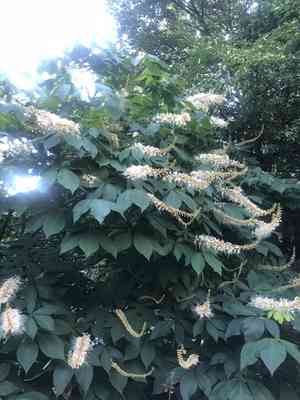
Celebrated for its distinctive, brush-like floral arrangements, bottlebrush buckeye thrives in conditions ranging from dappled to complete shade. Trimming ought to be performed in the latter part of winter or early spring, concentrating on excising lifeless or ailing branches and fostering vigorous development. Reducing the density of older stalks improves light exposure and air movement, stimulating lush leaves and blossoms. Trimming additionally preserves an appealing form and curbs excessive expansion in this resilient, easy-to-care-for shrub, providing both visual appeal and well-being advantages for the specimen.
What Are the Benefits of Pruning Bottlebrush Buckeye?
What Are the Benefits of Pruning Bottlebrush Buckeye?
Trimming bottlebrush buckeye promotes robust development and helps keep its desired form. This practice can boost flowering, manage size, and lower vulnerability to illness.
What Is the Best Time for Pruning Bottlebrush Buckeye?
What Is the Best Time for Pruning Bottlebrush Buckeye?
Trimming bottlebrush buckeye in late winter or early spring is optimal because the plant is still inactive, which lessens the chance of pruning-related stress and disease transmission. This timing also allows for the removal of any winter damage before the start of the new growth period. Furthermore, since bottlebrush buckeye typically blooms on the prior year's growth, pruning after flowering might eliminate potential buds, reducing the bloom. Therefore, pruning when the plant is still dormant, and before it allocates resources to new growth, will ensure the plant retains energy for a healthy growing season and preserves its flower-producing capability.
What Tools Do I Need to Prune Bottlebrush Buckeye?
Hand Pruners
For cutting smaller branches and twigs up to ¾ inch in diameter, hand pruners or secateurs are suitable. Ergonomic and sharp bypass pruners can make clean cuts without harming bottlebrush buckeye.
Loppers
When cutting branches between ¾ and 1½ inches thick, loppers offer the necessary leverage with their longer handles. This is appropriate for shaping bottlebrush buckeye or removing larger stems.
Pruning Saw
For branches exceeding 1½ inches in thickness, a pruning saw is ideal. Select a saw with teeth designed for green wood to ensure clean cuts on bottlebrush buckeye's branches.
Pole Pruner
If bottlebrush buckeye has grown tall and some branches are out of reach, a pole pruner can allow for safe pruning without needing a ladder, preserving the health and aesthetics of bottlebrush buckeye from the ground.
Gloves
Durable gloves protect the gardener's hands during the pruning process, ensuring safety when handling bottlebrush buckeye.
Pruning Shears (Optional)
For delicate shaping and maintenance of bottlebrush buckeye's form, especially the tips of the shoots, a pair of sharp pruning shears can offer precision.
How to Prune Bottlebrush Buckeye
Step1: Inspecting Plant for Dead or Diseased Wood
Examine bottlebrush buckeye thoroughly to identify dead wood and diseased limbs. Look for branches that are discolored, brittle, or show any signs of fungus, rot, or pest infestation.
Step2: Pruning Tool Preparation
Prepare your pruning tools. Use sharp bypass pruners or a pruning saw depending on the thickness of the branches. Disinfect the tools with a 10% bleach solution or rubbing alcohol to prevent the spread of disease.
Step3: Dead Wood Removal Technique
Begin by removing dead wood. Cut dead branches back to the point of live tissue, identified by green under the bark. Make cuts at a 45-degree angle, about 1/4 inch above a bud facing the outside of the plant to encourage proper new growth.
Step4: Cutting Diseased Limbs Below Damage
Prune diseased limbs, making sure to cut well below the affected areas to prevent further spread of disease. Remove the entire branch if necessary, cutting back to the base or to a lateral branch that is healthy.
Step5: Disinfecting Tools After Pruning
After pruning diseased limbs, immediately clean your tools with the disinfectant solution to avoid contaminating other parts of bottlebrush buckeye or different plants.
Step6: Three-Cut Method for Larger Branches
When removing larger branches, use the three-cut method to prevent bark tearing. First, make a notch on the underside of the branch a few inches from the trunk. Second, cut through the branch from the top, one inch further out from the notch. Third, make a final cut close to the trunk, just outside the branch collar, leaving a small amount of the branch to help the healing process.
Step7: Selectively Shaping the Plant
Shape bottlebrush buckeye gently if required, but avoid excessive pruning as bottlebrush buckeye has a naturally appealing form. Lightly trim any wayward branches to maintain symmetry.
Step8: Post-Pruning Cleanup
Clean up all debris from pruning to reduce the chance of disease and pests. Remove pruned limbs and leaves from the garden area.
Step9: Monitoring Plant Health Post-Pruning
Monitor bottlebrush buckeye after pruning for signs of new growth and additional signs of disease or dead wood. Additional pruning may be necessary if new issues arise.
Step10: Watering and Mulching After Pruning
Water bottlebrush buckeye adequately after pruning to support its recovery, and apply a layer of mulch around its base to help retain moisture and regulate soil temperature.
Post-Pruning Care for Bottlebrush Buckeye
Post-Pruning Care for Bottlebrush Buckeye
Immediately after pruning bottlebrush buckeye, water thoroughly to reduce stress. Position bottlebrush buckeye in partial shade, avoiding extreme temperatures; maintain moderate humidity. Fertilize with balanced, slow-release feed to aid recovery, but avoid overfeeding. Monitor bottlebrush buckeye for wilting or discoloration, signs of infection or pests. At signs of distress, adjust care and consult a plant pathologist if necessary. Regularly inspect the pruning wounds for proper healing and cleanliness, ensuring no rot sets in.
Common Pruning Mistakes with Bottlebrush Buckeye
Avoid Over-pruning to Reduce Plant Stress
Excessive pruning, which can stress bottlebrush buckeye and potentially lead to reduced blooming or a weakened plant.
Don't Prune too Close to Main Stem or Trunk
Trimming too close to the main stem or flush with the trunk, which can create wounds that are susceptible to disease.
Preserve Lower Branches for Natural Shape
Removing too many of the lower branches, which can result in an unbalanced and unnatural shape for bottlebrush buckeye.
Sterilize Pruning Tools to Prevent Disease Spread
Failing to sterilize pruning tools between cuts, increasing the risk of spreading disease to bottlebrush buckeye.
Pruning with Clear Objective to Maintain Health and Aesthetics
Pruning without a clear objective, leading to erratic cuts that can negatively impact the aesthetics and health of bottlebrush buckeye.
Common Pruning Tips for Bottlebrush Buckeye
Prune Only Dead, Damaged, or Diseased Wood
When pruning bottlebrush buckeye, aim to remove only the dead, damaged, or diseased wood to maintain the plant's natural form.
Clean Cuts Above Buds for Better Healing
Make clean cuts at a slight angle just above a healthy bud or branch junction to promote better healing and prevent water accumulation.
Selective Removal of Old Stems for Rejuvenation
For rejuvenation or to manage the size of bottlebrush buckeye, selectively remove the oldest stems at the base to encourage new growth.
Thin Interior Moderately for Air and Sunlight
Thin out the interior of bottlebrush buckeye moderately if necessary to improve air circulation and sunlight penetration for the health of the plant.
Use Sharp, Clean Pruning Tools for Precision
Always use sharp, clean pruning tools to ensure precise cuts and reduce the chance of introducing pathogens to bottlebrush buckeye.
Preserve Natural Habit When Pruning
Consider the natural habit of bottlebrush buckeye when pruning, striving to preserve its mounded form and enhancing its ornamental value.



