How to Prune Horse Chestnut?
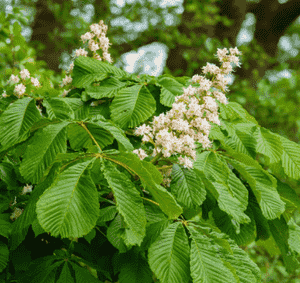
Distinguished by its impressive size and prominent, white, candle-shaped floral spikes, horse Chestnut thrives with judicious trimming. Eliminate any lifeless, ailing, or intersecting limbs to preserve its well-being and structure. The most favorable period for pruning is in late winter or early spring, prior to the emergence of new foliage. Since horse Chestnut exudes copious amounts of sap, making only essential cuts reduces strain and deters the ingress of pathogens. Trimming also accentuates the tree's magnificent aesthetic and encourages robust development.
What Are the Benefits of Pruning Horse Chestnut ?
What Are the Benefits of Pruning Horse Chestnut ?
Trimming horse Chestnut promotes vigorous development and preserves its shape, ensuring an impressive outline. Regular cutting prevents overcrowding, allowing light and air to circulate efficiently, which in turn fosters a stronger, healthier tree.
What Is the Best Time for Pruning Horse Chestnut ?
What Is the Best Time for Pruning Horse Chestnut ?
Late winter and early spring are considered ideal for pruning horse Chestnut because this timing avoids cutting during the active growth period, which could stress the plant or increase disease susceptibility. Pruning at the end of dormancy, just before spring growth begins, allows horse Chestnut to recover quickly and direct its energy into new growth. Additionally, the absence of leaves at this time provides better visibility of the plant's structure, enabling more precise cuts and maintenance. This timing also avoids disrupting the flowering which typically occurs in late spring, ensuring that the seasonal display of horse Chestnut remains unaffected.
What Tools Do I Need to Prune Horse Chestnut ?
Hand Pruners
Perfect for trimming small branches on horse Chestnut , hand pruners offer accuracy and minimize plant damage.
Loppers
These are essential for reaching higher branches and cutting through medium-sized branches of horse Chestnut with their long handles and increased leverage.
Pruning Saw
For larger branches too thick for hand pruners or loppers, a pruning saw creates clean cuts without tearing the bark of horse Chestnut .
Pole Pruner
To safely trim higher branches of horse Chestnut without a ladder, a pole pruner can be used to reach and cut branches from the ground.
Gloves
To shield hands from scratches and ensure a secure grip when pruning horse Chestnut .
Safety Glasses
To protect eyes from debris when cutting branches above head height on horse Chestnut .
How to Prune Horse Chestnut
Step1: Inspect for Pruning
Examine horse Chestnut thoroughly from various angles to identify dead branches, diseased wood, weak growth, and broken limbs. This assessment should occur late winter or early spring, as horse Chestnut is dormant during this period, which is optimal for pruning.
Step2: Sterilize Pruning Tools
Sanitize your pruning tools using a solution of 1 part bleach to 9 parts water to prevent disease spread. Ensure you have bypass pruners for smaller branches, loppers for medium branches, and a pruning saw for larger limbs.
Step3: Remove Dead Branches
Start by removing dead branches, cutting them back to their origin point or to a healthy lateral branch. Make cuts just outside the branch collar, the swollen area of trunk tissue that forms around the base of a branch, to promote proper healing.
Step4: Cut Away Diseased Wood
Identify and eliminate diseased wood. Look for branches with discoloration, unusual growths, or signs of fungal infection. Cut these back to healthy tissue, always cutting at least a few inches into the healthy wood to ensure removal of all infected material.
Step5: Prune Weak Growth
Trim away weak growth, which includes thin, spindly branches unlikely to strengthen and potentially detract from horse Chestnut 's overall vigor. This encourages the redirection of the plant's energy to more robust branches.
Step6: Remove Broken Limbs
Carefully remove broken limbs by making clean cuts to prevent further damage to horse Chestnut . If a larger limb is broken, make a three-part cut to prevent bark stripping: first undercut the branch about a foot from the trunk, then cut downward a couple of inches away from the undercut, and finally, remove the stub cleanly at the branch collar.
Step7: Shape and Balance Pruning
After pruning out the dead, diseased, weak, and broken parts, step back to assess the shape of horse Chestnut . If necessary, prune for symmetry or to maintain the natural shape of the tree. Make sure not to remove more than 25% of the crown at a time as this can stress the tree.
Step8: Dispose of Pruned Material
Discard the removed material away from horse Chestnut , especially if it was diseased, to prevent any potential spread of disease to other plants or back to horse Chestnut .
Step9: Clean Tools Post-Pruning
Clean and sterilize your tools again after finishing to avoid spreading any disease to other plants in the future.
Post-Pruning Care for Horse Chestnut
Post-Pruning Care for Horse Chestnut
Immediately after pruning horse Chestnut , clean the cuts with a sterilized tool to prevent infection. Manage exposure to ensure partial shade, avoiding intense midday sun. Maintain ambient humidity and avoid extreme temperature fluctuations. Apply balanced, slow-release fertilizers to support recovery without overstimulation. Regularly check for signs of stress, such as wilt or discolored leaves, and treat promptly with appropriate fungicides or insecticides if infections or infestations are detected.
Common Pruning Mistakes with Horse Chestnut
Excessive Pruning of Canopy
Trimming too aggressively, removing over one-third of horse Chestnut 's canopy at once, which can stress the tree and make it susceptible to diseases and pests.
Cutting into Old Non-Sprouting Wood
Cutting into old wood where horse Chestnut does not readily produce new shoots, potentially leading to bare patches and poor form.
Improper Cut Placement Leading to Decay
Leaving stubs or cutting too close to the trunk, which can lead to decay and damage as horse Chestnut has a particular way it needs to heal.
Use of Incorrect or Blunt Pruning Tools
Choosing the wrong tool or using dull instruments, which can cause jagged cuts that are detrimental to horse Chestnut 's health.
Not Sterilizing Tools Spread Diseases
Neglecting to sterilize pruning tools between cuts, potentially spreading diseases from infected parts of horse Chestnut to healthy ones.
Common Pruning Tips for Horse Chestnut
Remove Dead Wood at Proper Angle
Focus on removing dead, damaged, or diseased wood to maintain the health and aesthetics of horse Chestnut , ensuring cuts are clean and made at the right angle.
Prune for Natural Shape and Structure
Prune for shape and structure, targeting wayward branches that disrupt the natural form of horse Chestnut , but always keeping the tree's natural shape in mind.
Thin Foliage for Better Air and Light
Thin out dense foliage to improve air circulation and light penetration, which will benefit the overall vitality and flowering of horse Chestnut .
Use Sharp, Clean Tools for Precise Cuts
Use sharp, clean pruning tools that are appropriate for the size of branches being removed from horse Chestnut , to ensure precise and clean cuts.
Cut Above Buds Angled to Avoid Water Pooling
Cut branches just above a bud or side branch, making sure the cut is angled away from the bud to prevent water accumulation and promote healthy regrowth for horse Chestnut .
Sealant Application on Large Cuts
After pruning, apply a wound paint or sealant to large cuts on horse Chestnut to protect against pathogens and insects, as it does not respond well to large open wounds.



