How to Prune Ohio buckeye?
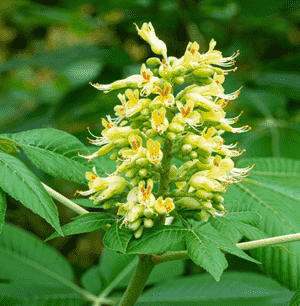
Distinguished by its hand-shaped foliage and prickly seed casings, ohio buckeye flourishes with judicious trimming. Remove lifeless or frail branches, and reduce crowded sections to enhance air circulation. Perform pruning in late winter or early spring prior to foliage emergence. Refrain from extensive cutting to avert strain. Trimming boosts form and vitality, fostering the well-being and visual appeal of ohio buckeye.
What Are the Benefits of Pruning Ohio Buckeye?
What Are the Benefits of Pruning Ohio Buckeye?
Trimming ohio buckeye promotes robust development and preserves its intended form. It helps revitalize older limbs, ensuring a strong framework and attractive appearance.
What Is the Best Time for Pruning Ohio Buckeye?
What Is the Best Time for Pruning Ohio Buckeye?
The recommended pruning periods for ohio buckeye ensure that its dormant phase is utilized, typically from late winter to the start of spring. As ohio buckeye enters dormancy during this time, the risk of pruning-related stress and disease vulnerability is minimized, fostering quick recovery. Furthermore, pruning before the spring growth surge allows gardeners to effectively shape the plant without hindering the development of new shoots, leaves, and potential flowers or fruits. It is also simpler to identify and remove any dead or diseased wood during this period due to the absence of foliage. Additionally, trimming before the plant breaks dormancy helps prevent sap loss, which can be particularly problematic for ohio buckeye. Adhering to these guidelines helps maintain the overall health, structure, and aesthetic appeal of ohio buckeye while ensuring its vigorous growth and successful seasonal cycle.
What Tools Do I Need to Prune Ohio Buckeye?
Hand Pruners
For cutting small branches and twigs on ohio buckeye, hand pruners offer precision and ease of use. Opt for bypass pruners, as they deliver clean cuts that encourage healthy regrowth.
Lopping Shears
When dealing with thicker branches that hand pruners cannot manage, lopping shears are the preferred tool for ohio buckeye. Their long handles provide leverage for easier cutting.
Pruning Saw
For the largest branches of ohio buckeye, a pruning saw is essential. A curved blade model can help make clean cuts on branches exceeding a couple of inches in thickness.
Pole Pruner
To safely reach higher branches without a ladder, pole pruners are advised for ohio buckeye. They include a saw and a lopper attachment for versatile cutting of various branch sizes.
Hedge Shears
If shaping hedges or performing formal topiary work on ohio buckeye, hedge shears can assist in sculpting the plant with straight, even cuts.
Gloves and Safety Gear
Always wear protective gloves and safety equipment to prevent injuries from thorns or rough bark while pruning ohio buckeye.
Cleaning Solution
To prevent disease spread, tools should be cleaned between cuts, especially if ohio buckeye shows signs of illness or pests. A solution of one part bleach to nine parts water is effective.
How to Prune Ohio Buckeye
Step1: Timing Pruning for Dormancy Period
Determine the optimal time to prune ohio buckeye, which is in late winter or early spring before leaf buds emerge. Pruning during dormancy reduces tree stress and helps prevent disease transmission.
Step2: Preparing Sterilized Pruning Tools
Gather the necessary tools for pruning ohio buckeye, including sharp pruning shears, loppers, and a pruning saw. Sterilize tools before use with a solution of 1 part bleach to 9 parts water to prevent disease spread.
Step3: Removing Dead Branches
Begin by removing any dead branches from ohio buckeye. Cut these branches back to their point of origin on a larger branch or the trunk, making your cut just outside the branch collar. The branch collar is the swollen area where the branch meets the trunk or another branch.
Step4: Pruning Diseased Wood
Inspect ohio buckeye for any diseased wood. Look for branches with discoloration, abnormal growth, or signs of fungal infection. When diseased wood is found, prune it back to healthy tissue. Ensure the cut is made well beyond the diseased area to prevent any remaining disease from spreading.
Step5: Trimming Broken Limbs
Prune any broken limbs on ohio buckeye. Similar to deadwood, make your cuts just outside the branch collar. If the break is jagged, clean-cut it first to facilitate better healing.
Step6: Maintaining Natural Shape
Strive to maintain the natural form of ohio buckeye by selectively pruning back to lateral branches or buds that point in the desired growth direction. Avoid excessive pruning, which can stress ohio buckeye and lead to poor health or excessive sucker growth.
Step7: Shaping for Symmetry and Form
After removing dead, diseased, and broken wood, step back to assess the shape of ohio buckeye. If further shaping is needed, prune for symmetry or to reduce the length of specific branches to maintain the overall form.
Step8: Cleanup of Pruning Debris
Clear all pruning debris to lessen the chance of disease or pests affecting ohio buckeye. Dispose of diseased wood properly, away from healthy plant material.
Step9: Tool Sanitization Post-Pruning
Sanitize all your pruning tools after completion to prevent the spread of any pathogens to other plants in your garden.
Step10: Monitoring Plant Health Post-Pruning
Monitor ohio buckeye after pruning for signs of disease or stress. Proper aftercare, including watering, mulching, and fertilizing, can help ohio buckeye recover from pruning and promote healthy growth.
Post-Pruning Care for Ohio Buckeye
Post-Pruning Care for Ohio Buckeye
After pruning ohio buckeye, ensure immediate adequate watering to reduce stress and promote healing. Maintain moderate light exposure, avoiding intense direct sunlight. Adjust humidity and temperature to mirror ohio buckeye's native environment—cool and not overly dry. Apply a balanced, slow-release fertilizer to replenish nutrients and support growth. Regularly inspect for wilting, discoloration, or wounds, signaling stress or infection. If symptoms arise, facilitate recovery by addressing the underlying issue promptly while maintaining consistent care.
Common Pruning Mistakes with Ohio Buckeye
Ignoring Pest and Disease Inspection Pre-Pruning
Neglecting to inspect for diseases and pests before pruning can lead to the accidental spread of problems to healthy parts of ohio buckeye.
Improper Cut Placement Affecting Healing
Cutting too close or too far from the main stem or branch collar can result in poor healing and may encourage disease.
Over-Pruning and Excessive Foliage Removal
Excessive pruning or removing too much foliage at once can stress ohio buckeye, hindering its growth and vitality.
Not Sterilizing Tools Spreads Disease
Pruning without sterilizing tools between cuts and plants can transmit diseases to ohio buckeye.
Neglecting to Remove Crossing Branches
Failing to remove crossing or rubbing branches, which can cause wounds and entry points for pests and diseases.
Using Improper Cutting Tools Damages Plants
Using unsuitable cutting tools that can damage the branches and stems of ohio buckeye, leading to ragged cuts prone to infection.
Common Pruning Tips for Ohio Buckeye
Remove Dead or Diseased Branches First
Begin by removing any dead, diseased, or damaged branches to maintain the overall health and appearance of ohio buckeye.
Make Clean, Angled Cuts Above Buds
Make clean, angled cuts above a bud or node to encourage new growth in the desired direction without leaving stubs.
Thin to Improve Airflow and Light
Thinning out crowded areas will enhance air circulation and light penetration, which is crucial for the well-being of ohio buckeye.
Use Sharp, Sterilized Pruning Tools
Use sharp, sterilized pruning tools to ensure cuts are clean and reduce the risk of transmitting diseases to ohio buckeye.
Prune According to Plant's Natural Shape
Follow the natural shape of ohio buckeye when pruning to maintain its aesthetic and avoid a forced, unnatural appearance.
Gradually Reduce Height and Spread
When reducing the height or spread of ohio buckeye, do so gradually over several seasons to prevent shock to the plant.



