How to Prune Yellow Buckeye?
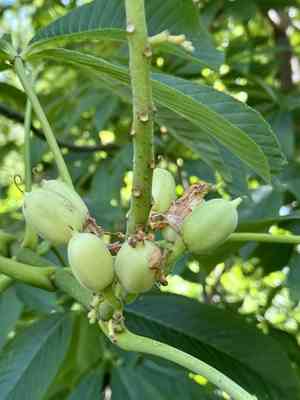
Grown for its striking blossoms and expansive, hand-shaped foliage, yellow Buckeye flourishes with appropriate trimming. Essential methods involve excising dead or ailing timber, reducing congested limbs to enhance air movement, and sculpting for visual appeal. The ideal period for pruning is from late winter to early spring, prior to the emergence of new shoots. Judicious pruning fosters robust development and blooming, simultaneously averting pest and pathogen problems frequently found in thick crowns. Always employ sanitized, keen implements for accurate incisions.
What Are the Benefits of Pruning Yellow Buckeye?
What Are the Benefits of Pruning Yellow Buckeye?
Trimming yellow Buckeye promotes robust development and maintains its desired form. This vital upkeep ensures healthy branching, stimulates new growth for improved foliage, and sustains an attractive shape, aligning with a gardenerâs aesthetic vision.
What Is the Best Time for Pruning Yellow Buckeye?
What Is the Best Time for Pruning Yellow Buckeye?
During late winter, yellow Buckeye is dormant, which minimizes plant stress and lowers the risk of pest infestation and disease that could arise from open pruning wounds. Pruning before spring growth begins allows wounds to heal quickly and effectively, providing the plant with a strong framework for the upcoming growing season. Early spring pruning is also beneficial as it occurs just before new growth starts, ensuring the plant's energy is directed towards developing healthy new branches and leaves. This timing also prevents the removal of flower buds, which formed during the previous growing season, allowing yellow Buckeye to retain its blooming potential.
What Tools Do I Need to Prune Yellow Buckeye?
Hand Pruners
Essential for making clean cuts on smaller branches of yellow Buckeye, typically those under 1 inch in diameter. Ideal for shaping and removing dead or diseased wood.
Lopping Shears
Useful for cutting through branches that are between 1 and 2 inches in diameter. Their long handles provide leverage, making it easier to prune thicker branches of yellow Buckeye.
Pruning Saw
Necessary for removing larger branches of yellow Buckeye, over 2 inches in diameter. A curved or straight blade saw makes cutting through thick wood easier, and it helps manage the treeâs overall structure.
Pole Pruner
Beneficial for reaching higher branches of yellow Buckeye without the use of a ladder. This tool combines a saw and a lopper on an extendable pole, allowing for the safe pruning of tall limbs.
Garden Gloves
Protective gloves are important for the gardener's safety when pruning yellow Buckeye, to prevent injuries and provide a better grip on tools.
Safety Goggles
Eye protection is crucial to shield eyes from falling debris, dust, and wood particles when cutting branches of yellow Buckeye.
How to Prune Yellow Buckeye
Step1: Dormant Season Timing
Identify the optimal time for pruning yellow Buckeye, which is typically late winter to early spring before the leaf buds open. Pruning during dormancy minimizes sap loss and allows for better wound healing.
Step2: Dead Wood Inspection
Inspect yellow Buckeye for dead wood, which will appear dry, brittle, and possibly discolored. Use clean, sharp pruning tools to make clean cuts.
Step3: Disease Branch Removal
Prune any diseased branches as soon as they are noticed to prevent the spread of disease. Cut the branch 6 to 12 inches below the diseased area, ensuring not to leave any stubs as these can attract pests and disease.
Step4: Damaged Limb Cleanup
Remove broken limbs cleanly at the point where they join a larger branch. Do not rip or tear the limb as this could cause more damage to yellow Buckeye. If the break is jagged, make a clean cut to smooth the wound.
Step5: Thinning Cuts for Canopy
Use thinning cuts to remove entire branches or limbs at their point of origin from the main trunk or a larger branch. These cuts help to improve air circulation and light penetration through the canopy of yellow Buckeye.
Step6: Heading Cuts for Shaping
Employ heading cuts sparingly on yellow Buckeye if you need to shape the plant or reduce its size. Cut back to a lateral bud or branch, ensuring cuts are angled away from the bud to direct new growth outward.
Step7: Angled Cutting Technique
Ensure all cuts are made at a 45-degree angle to prevent water accumulation and promote healing. The cuts should be just outside the branch collar but do not injure the collar, as it is essential for proper wound sealing.
Step8: Tool Cleaning and Disinfection
After pruning, clean all tools used to trim yellow Buckeye. Disinfecting the tools between cuts with a solution of bleach or alcohol can prevent the spread of diseases.
Step9: Post-Pruning Monitoring
Monitor yellow Buckeye after pruning for signs of disease or stress. Provide adequate water and mulch to help the plant recover and reduce competition from weeds.
Step10: Annual Pruning Assessment
Annually evaluate the need for further pruning, which can help maintain the health and structural integrity of yellow Buckeye. Over-pruning can weaken the plant and should be avoided.
Post-Pruning Care for Yellow Buckeye
Post-Pruning Care for Yellow Buckeye
Immediately after pruning yellow Buckeye, ensure the cuts are clean and avoid applying sealant. Position yellow Buckeye to receive adequate but not excessive sunlight, and maintain moderate humidity. Regularly check soil moisture, watering deeply when necessary. Apply a balanced, slow-release fertilizer to support new growth. Monitor for wilt, discoloration, or oozing from cuts, indicative of stress or infection. If symptoms appear, promptly address with appropriate fungicides or cultural practices, seeking expert advice if needed.
Common Pruning Mistakes with Yellow Buckeye
Over-pruning: Avoid Excessive Canopy Removal
Over-pruning can lead to stress for yellow Buckeye, weakening it and potentially causing more harm than good. Gardeners should avoid removing more than 25% of the tree's canopy at one time.
Tool Maintenance: Use Sharp, Sterilized Equipment
Using dull or unclean tools can damage yellow Buckeye's branches and introduce diseases. Tools should be sharp and sterilized before each use.
Cutting Technique: Prevent Stubs and Flush Cuts
Improper cutting techniques, such as leaving stubs or making flush cuts against the trunk, can prevent yellow Buckeye from healing properly and increase the risk of disease and pest infiltration.
Pruning with Purpose: Plan Before Cutting
Pruning without a plan or objective may result in a misshapen or unbalanced appearance of yellow Buckeye. It's important to know the desired outcome before making cuts.
Common Pruning Tips for Yellow Buckeye
Prioritize Removing Dead or Diseased Branches
For yellow Buckeye, identify and remove any dead, diseased, or broken branches first. These can hinder the plant's growth and health, and removing them will encourage new growth.
Directional Pruning: Angle Cuts Above Outward Buds
When cutting back branches on yellow Buckeye, make angled cuts just above a bud facing the outside of the canopy. This encourages the new growth to develop outward, improving air circulation and sunlight exposure.
Improve Airflow: Thin Inner Branches
Thinning out some of the inner branches of yellow Buckeye can improve light penetration and airflow, reducing the likelihood of disease and promoting a sturdier structure.
Three-cut Method for Larger Branches
Use the 'three-cut method' for removing larger branches: first, undercut the branch about a foot away from the trunk; second, make a top cut slightly further out to remove the branch; third, carefully cut the remaining stub just outside the branch collar. This method helps prevent bark tearing and supports proper healing.



