How to Prune Lipstick plant?
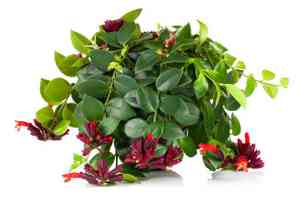
This trailing air plant, celebrated for its vibrant tubular blossoms, flourishes with judicious trimming. Essential methods involve shortening elongated stems to encourage denser foliage and eliminating spent or lifeless flowers to stimulate further flowering. The ideal time for pruning is in early spring or late winter, while the plant is dormant but just prior to its active growth period. Consistent trimming helps preserve a compact form and improves the presentation of its impressive cascading blooms. Lipstick plant thrives with a regular pruning regimen that guarantees both its vitality and visual attractiveness.
Advantages of Trimming Lipstick Plant
Advantages of Trimming Lipstick Plant
Trimming lipstick plant promotes vigorous development and sustains its appealing look. By eliminating overgrown or sparse stems, it stimulates fresh, robust foliage and blossoms while keeping the plant compact and neatly groomed, which is crucial for its decorative value.
Optimal Time for Trimming Lipstick Plant
Optimal Time for Trimming Lipstick Plant
Late winter to early spring aligns with lipstick plant's dormant phase, just before new growth emerges. Pruning during this period minimizes plant stress and allows for robust spring development. It also helps maintain the plant's form, encourages fuller growth, and removes any leggy or unhealthy stems. Pruning right after dormancy ensures the plant has ample stored energy to recover and produce abundant foliage. Additionally, removing excess growth before the growing season can enhance flowering, as lipstick plant typically blooms on new growth.
Required Tools for Trimming Lipstick Plant
Sharp Bypass Pruners
These are perfect for making clean cuts without harming the stems of lipstick plant, which is essential for fostering healthy new growth.
Micro-Tip Snips
These precise snips are ideal for reaching into dense foliage without disturbing the rest of the plant, enabling targeted pruning of lipstick plant.
Scissors
A pair of sharp scissors can be utilized for trimming dead or yellow leaves and can handle the finer, more delicate tasks required for lipstick plant.
How to Trim Lipstick Plant
Sterilize
Disinfect your pruning tools with rubbing alcohol or a bleach solution to prevent the spread of disease.
Identify
Examine lipstick plant for diseased leaves, identified by unusual spots or discoloration, and for withered leaves which may appear dry or brown.
Remove diseased
Carefully prune away diseased leaves from lipstick plant by cutting at the base of the stem, ensuring not to damage healthy adjacent foliage.
Remove withered
Trim off withered leaves from lipstick plant to encourage healthier growth and appearance, cutting at the base or the point of connection to the main stem.
Clean up
Dispose of all removed foliage responsibly, avoiding composting if the leaves show signs of disease to prevent contamination.
Common Trimming Errors with Lipstick Plant
Overpruning
Removing too much growth at once can shock lipstick plant, leading to stunted growth or a failure to bloom. Generally, no more than one-third of the plant should be removed at one time.
Cut location
Incorrect cutting may result in damage or uneven growth. Cuts should be made just above a leaf node to facilitate healthy regrowth.
Tool carelessness
Using dull or dirty tools can harm lipstick plant, as they may crush stems and leave jagged cuts that are susceptible to disease. Clean, sharp pruning shears are essential.
Neglecting health check
Failure to inspect the plant for pests or disease before pruning can lead to further spread of infestations or infections when making cuts.
Improper cut angle
Cuts should be made at a 45-degree angle to prevent water accumulation, which could lead to rot or disease.
General Trimming Advice for Lipstick Plant
Selective pruning
Lipstick plant benefits from selective pruning, which involves removing specific parts of the plant that are dead, diseased, or overgrown to maintain shape and encourage bushier growth.
Promote blooming
Encouraging flowering in lipstick plant involves pinching off the tips of new growth during the growing season. This promotes branching, where flowers typically develop on new growth.
Sanitize tools
Pruning shears should be sanitized before use to prevent the spread of disease between plants. This is particularly crucial when lipstick plant has shown signs of infestation or illness.
Post-bloom care
After lipstick plant has finished flowering, prune the spent flower stems back to just above a leaf node to tidy the plant and stimulate new growth.
Assessment before cutting
Before cutting, assess the overall shape and health of lipstick plant, and plan your pruning to enhance the plant's natural form while maintaining its aesthetic appeal.



