How to Prune Millet's adinandra?
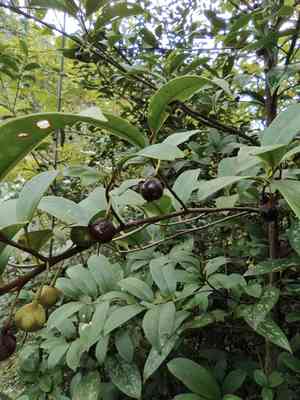
Celebrated for its perennial leaves and fragile blossoms, millet's adinandra flourishes with careful trimming. The perfect period for pruning is winter, coinciding with millet's adinandra's inactive phase, thereby reducing strain and fluid depletion. Cut back to preserve form, eliminate lifeless or ailing branches, and foster air movement. Trimming stimulates fresh development, boosts blooming, and sustains the plant's vigor. Consistent, gentle pruning is better than drastic reductions, guaranteeing a thriving, sturdy specimen.
What Are the Benefits of Pruning Millet's Adinandra?
What Are the Benefits of Pruning Millet's Adinandra?
Trimming millet's adinandra promotes vigorous development and preserves its desired form. Regular trimming ensures the removal of excess growth, leading to a more robust plant that aligns with the gardener's aesthetic and spatial preferences.
What Is the Best Time for Pruning Millet's Adinandra?
What Is the Best Time for Pruning Millet's Adinandra?
Late winter is ideal for pruning millet's adinandra as it's typically dormant then. During dormancy, pruning causes less stress and reduces disease transmission risk due to slower sap flow. Pruning before spring growth allows millet's adinandra to focus energy on healing and new development. This timing also offers a clearer view of the plant's structure, enabling precise cuts without leaf obstruction. Avoiding flowering and fruiting periods ensures bloom and fruit production aren't compromised.
What Tools Do I Need to Prune Millet's Adinandra?
Hand pruners (bypass pruners)
Perfect for precise cutting and shaping of millet's adinandra, bypass pruners make clean cuts that help prevent disease. Recommended for removing small branches and leaves.
Loppers
For branches too thick for hand pruners, loppers provide extended reach and increased leverage, making them suitable for shaping larger branches of millet's adinandra.
Pruning saw
When millet's adinandra has mature branches too thick for loppers, a pruning saw is essential. It allows cutting through thicker wood without causing undue plant damage.
Hedge shears
For shaping and maintaining the dense foliage of millet's adinandra, hedge shears are useful. They can trim multiple small stems at once and are good for a neat appearance.
Pruning gloves
To protect hands from thorns and sharp branches while working on millet's adinandra, durable gloves are advised.
How to Prune Millet's Adinandra
Disinfect tools
Before pruning millet's adinandra, sanitize all tools with a 1:9 bleach-to-water solution to prevent disease spread.
Remove dead branches
Carefully inspect millet's adinandra for dead branches. Cut them where they meet healthy wood, making clean cuts with sterilized tools to avoid bark tearing or plant damage.
Eliminate diseased branches
Locate any diseased branches on millet's adinandra and remove them by cutting several inches below the affected area to ensure complete removal of diseased tissue.
Clean cut area
After removing dead or diseased branches, sanitize the cut areas on millet's adinandra with a wound-sealing product or allow them to air-dry naturally to lessen infection risk.
Dispose offcuts
Safely discard removed dead and diseased branches away from healthy plants to prevent potential pest or disease spread to millet's adinandra or nearby plants.
Common Pruning Mistakes with Millet's Adinandra
Over-pruning
Removing too much foliage is a common mistake that can stress millet's adinandra and hinder its growth. Balancing the plant's aesthetic with its health is crucial.
Improper cut locations
Cutting millet's adinandra in the wrong spot can lead to disease or poor regrowth. Cuts should be made just above a leaf node or branching point for optimal health.
Using dull tools
Pruning millet's adinandra with dull or dirty tools can result in jagged cuts and invite infection. Always use sharp, clean pruning shears.
Ignoring dead material
Beginner gardeners often neglect removing dead or diseased branches, which can compromise millet's adinandra's overall health and appearance.
Timing ignorance
Pruning at the wrong time, even without specifying seasons, can cause issues with flowering and plant vitality due to millet's adinandra's growth cycle.
Neglecting plant shape
Failing to consider the plant's natural shape when pruning can lead to an unbalanced or unnatural appearance for millet's adinandra.
Excessive harshness
Being too rough while pruning can cause unnecessary damage to millet's adinandra's branches and stems, resulting in weak growth.
Common Pruning Tips for Millet's Adinandra
Selective pruning
Instead of random cutting, selectively pruning overcrowded areas or crossing branches improves air circulation and light penetration for millet's adinandra.
Health first
Always prioritize removing dead, diseased, or damaged branches to maintain millet's adinandra's health and encourage new growth.
Aesthetic maintenance
Aim for a natural look by lightly pruning outer branches and working inward, to preserve millet's adinandra's inherent shape.
Use the right tools
Specifically use bypass pruners or secateurs for clean cuts, which will help prevent injury to millet's adinandra and speed up healing.
Cleanliness
Ensure all tools are sterilized before use to prevent pathogen spread and maintain millet's adinandra's health.
Cut angle
Make cuts at a 45-degree angle to prevent water from collecting on the cut surface, which could lead to rot or disease in millet's adinandra.
Gentle handling
Handle millet's adinandra with care during pruning to prevent unnecessary stress and to protect both the plant and the gardener from injury.



