How to Prune Suarez baobab?
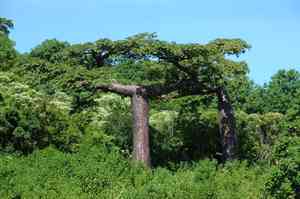
Adansonia suarezensis is recognized for its expansive stem and elevated, open crown. Essential trimming methods involve excising lifeless or ailing limbs and reducing the density of the canopy to facilitate light infiltration. The most suitable period for pruning is from late winter to early spring, coinciding with the suarez baobab's inactive phase. This approach minimizes strain on the specimen and fosters robust development. Consistent trimming can improve air movement, mitigate pest problems, and sustain a controlled dimension for metropolitan environments.
What Are the Benefits of Pruning Suarez Baobab?
What Are the Benefits of Pruning Suarez Baobab?
Trimming suarez baobab encourages robust development, maintains its form, boosts resistance to pests and illnesses, and improves its overall look. Regular trimming is crucial for managing its size and ensuring the plant's health and vigor.
What Is the Best Time for Pruning Suarez Baobab?
What Is the Best Time for Pruning Suarez Baobab?
Trimming suarez baobab from late winter to early spring is optimal as it precedes the start of the growing season. During this period, suarez baobab remains dormant, which minimizes plant stress and lowers disease risk. Pruning at this time also ensures the plant's energy is directed towards new growth, effectively helping to control its shape and size. Furthermore, since suarez baobab typically doesn't flower or fruit during dormancy, pruning won't disrupt its reproductive cycle.
What Tools Do I Need to Prune Suarez Baobab?
Hand Pruners
For precise cuts near the base and on smaller branches. Perfect for managing minor growths that may emerge from suarez baobab's bottom.
Loppers
Useful for thicker branches typically found higher up on suarez baobab. Long handles offer extra leverage for cutting through denser wood.
Pruning Saw
Essential for cutting larger branches. Suarez baobab can develop thick, sturdy branches that a saw can handle effectively without damaging the plant.
Pole Pruner
Meets the need to reach high branches without climbing. Suarez baobab's tall growth pattern makes this tool crucial for safely accessing distant branches.
How to Prune Suarez Baobab
Inspection
Examine suarez baobab and identify any dead or diseased branches that require removal. Pay attention to the plant's overall health and structure.
Tools Preparation
Prepare clean, sharp pruning shears or saws to ensure precise cuts. Disinfect tools to prevent disease spread.
Cut Diseased
Carefully cut diseased branches back to healthy wood. Make cuts just above a dormant bud or healthy lateral branch to encourage regrowth.
Remove Dead
Prune dead branches by cutting them back to their point of origin or to a healthy lateral branch. Ensure cuts are clean to promote healing.
Dispose Safely
Dispose of all pruned material properly, especially diseased branches, to prevent reinfection or contamination of the surrounding area.
Common Pruning Mistakes with Suarez Baobab
Incorrect technique
Using the wrong pruning tools or cutting methods can damage suarez baobab's branches. Using dull or unsterilized tools can lead to jagged cuts and potential infections.
Over-pruning
Removing too much at once can stress suarez baobab, weakening the plant and reducing its ability to photosynthesize effectively. This can stunt growth and delay recovery.
Pruning too early or late in the day
Pruning during the heat of the day can expose cut surfaces to excessive sun and cause undue stress. It's better to prune during cooler parts of the day, such as morning or late afternoon.
Neglecting to clean tools
Failing to sterilize pruning tools between cuts or between plants can spread diseases and pests, putting suarez baobab at risk of infection.
Common Pruning Tips for Suarez Baobab
Use sharp, sterilized tools
Ensure that you use clean, sharp tools to make clean cuts. This helps prevent disease and promotes quicker healing.
Remove dead or diseased wood first
Begin by identifying and removing any dead, damaged, or diseased branches to prevent the spread of pathogens and pests.
Focus on shaping and thinning
Concentrate on thinning out crowded areas to improve air circulation and light penetration. This helps suarez baobab maintain its natural shape and overall health.
Prune with a purpose
Each cut should have a clear objective, such as improving structure, removing problematic growth, or enhancing aesthetics. Avoid random or excessive cutting.



