How to Prune White baneberry?
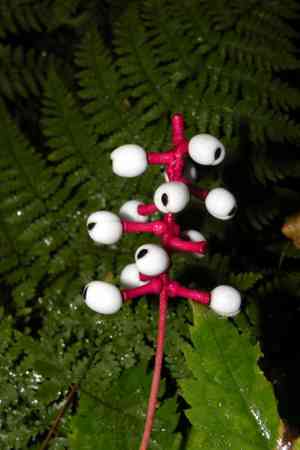
Recognized for its doll's eye aesthetic, attributed to its prominent white fruits adorned with black specks, Actaea pachypoda is a forest-dwelling perennial. Trim Actaea pachypoda during the latter part of winter or early spring, prior to the emergence of new shoots. Remove any lifeless or ailing stalks to preserve the plant's well-being and visual appeal. Reducing dense groupings enhances air movement. Since Actaea pachypoda doesn't necessitate significant trimming, this practice aids in averting excessive growth and fosters a more robust, organized structure.
What Are the Benefits of Pruning White Baneberry?
What Are the Benefits of Pruning White Baneberry?
Trimming white baneberry promotes vigorous development and helps maintain its desired structure. It enables gardeners to shape the plant for optimal visual appeal while fostering vitality.
What Is the Best Time for Pruning White Baneberry?
What Is the Best Time for Pruning White Baneberry?
Pruning white baneberry in late winter or early spring is advisable as it coincides with the plant's dormant phase. This timing allows gardeners to shape the plant and remove any dead or diseased wood without disrupting its growth cycle. Furthermore, pruning before new spring growth helps the plant direct energy towards producing healthy new shoots and leaves. It also minimizes infection risk, as pruning cuts heal faster then, and pathogens are less active in cold weather. This period is also after the plant has displayed its decorative fruit, meaning aesthetic appeal is not diminished by pruning. Adhering to these seasons ensures white baneberry's health and promotes robust growth and flowering in the subsequent season.
What Tools Do I Need to Prune White Baneberry?
Hand pruners
Perfect for white baneberry due to its relatively slender stems. They enable precise cuts that won't harm the plant's framework.
Pruning saw
Essential for white baneberry to trim thicker stems or branches, ensuring clean cuts without tearing the bark.
Gardening gloves
Crucial for the gardener's protection when pruning white baneberry, as certain parts of the plant may be toxic.
Lopping shears
Useful for white baneberry if there are out-of-reach or slightly thicker branches that require more leverage than hand pruners can offer.
How to Prune White Baneberry
Step1: Timing Pruning
Wait for the appropriate pruning time for white baneberry, which is late winter to early spring, before new growth begins. This timing helps prevent unnecessary stress on the plant and makes it easier to see the structure without leaves.
Step2: Tool Sanitization
Sanitize your pruning tools with diluted bleach or alcohol to prevent the spread of disease. Clean tools after each cut when removing diseased wood.
Step3: Protective Gear
Wear protective gloves to safeguard your skin from any potential irritation caused by white baneberry.
Step4: Dead Stem Removal
Start by removing any dead stems from white baneberry, which are easy to spot as they appear dry, brittle, and no longer have live foliage. Cut these stems at the base, near the soil line, using sharp bypass hand pruners.
Step5: Removing Diseased Wood
Identify and remove any diseased wood. These areas may have discolorations, unusual growths, or signs of fungus. Make cuts at least a few inches below diseased tissue on healthy wood to prevent further spread of the disease.
Step6: Sucker Detachment
Prune away any suckers, which are vigorous vertical shoots that may sprout from the base or roots of white baneberry. Detach suckers as close to their point of origin as possible.
Step7: Selective Thinning and Shaping
If shaping is required for white baneberry, selectively thin overcrowded areas to maintain the natural form of the plant and encourage air circulation. Make cuts just above a bud or branching point that faces the direction you wish to encourage growth.
Step8: Plant Material Disposal
Dispose of all removed plant material promptly, especially diseased parts, to avoid harboring pests or diseases that can affect white baneberry or other nearby plants.
Step9: Post-Pruning Care
After pruning, water white baneberry adequately and consider applying a balanced fertilizer to support healthy new growth.
Step10: Regular Inspection
Inspect white baneberry regularly throughout the growing season for the need for additional light corrective pruning and remove any dead or diseased material as needed.
Post-Pruning Care for White Baneberry
Post-Pruning Care for White Baneberry
Immediately after pruning white baneberry, water the plant thoroughly to alleviate stress. Maintain a partially shaded environment, ensuring indirect light to promote recovery. Optimize humidity by misting if the surrounding air is dry. Adjust temperatures to stay between 60-70°F, imitating white baneberry's natural cool woodland habitat. Apply a balanced, slow-release fertilizer to nourish white baneberry without overwhelming it. Regularly inspect for wilted foliage or discolored stems, indicators of stress or disease. If symptoms appear, isolate the plant and consult a horticulturist for appropriate treatment measures.
Common Pruning Mistakes with White Baneberry
Avoid Cutting Old Growth
Cutting into the old wood of white baneberry where new growth is unlikely to emerge, which can harm the plant's natural shape and reduce its vigor.
Do Not Over-Prune
Removing too much foliage or too many stems at once, which can stress white baneberry and lead to a weaker plant.
Use Sharp, Clean Tools
Using dull or dirty pruning tools, which can make jagged cuts that are more prone to disease and may hinder the healing process.
Common Pruning Tips for White Baneberry
Sanitize Pruning Tools
Sanitize pruning tools before and after use to prevent the spread of disease to or from white baneberry.
Prune to Natural Form and Health
Prune white baneberry to maintain its natural form, removing only dead, damaged, or diseased wood, and the occasional thinning of crowded stems to allow light and air circulation.
Clean Cuts at Correct Angle
Make clean cuts at a 45-degree angle, just above a healthy bud or branching point to promote healthy new growth.



