How to Prune Sweet flag?
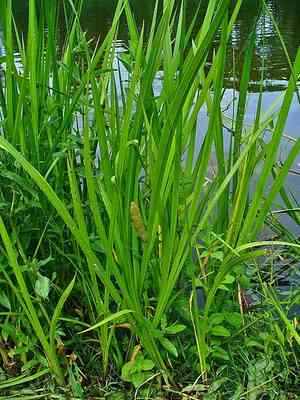
A perennial herbaceous plant recognized for its fragrant underground stems and blade-like leaves, sweet flag flourishes in aquatic environments. To sustain its robustness, trim away deceased or discolored leaves, preferably in early spring or late winter prior to the emergence of new shoots. Separate clusters every 2-3 years to prevent excessive density. Consistent trimming encourages more robust development, facilitates reproduction, and can intensify the plant's aromatic qualities. Particular attention should be paid to prevent excessive trimming to preserve its full aesthetic.
What Are the Benefits of Pruning Sweet Flag?
What Are the Benefits of Pruning Sweet Flag?
Trimming sweet flag promotes robust development and helps maintain its desired form. By removing specific sections, it fosters a healthier and more visually appealing plant structure.
What Is the Best Time for Pruning Sweet Flag?
What Is the Best Time for Pruning Sweet Flag?
Pruning sweet flag in early spring or late winter is ideal as these periods coincide with the plant's dormant phase. Trimming sweet flag before its active growth in spring reduces stress and avoids disrupting its natural cycle. Late winter pruning allows removal of winter damage before new growth. This timing ensures quick healing of pruning wounds with warmer weather, lowering disease or pest risk. The absence of leaves also improves visibility for precise cuts and shaping. Pruning then encourages healthier regrowth and helps manage sweet flag's size and spread, crucial for preventing this vigorous plant from dominating garden areas.
What Tools Do I Need to Prune Sweet Flag?
Sharp Scissors or Hand Pruners
Given sweet flag's slender, blade-like foliage, sharp scissors or hand pruners are perfect for clean cuts without crushing plant tissues, aiding faster healing and reducing disease risk.
Garden Shears
For larger sweet flag clumps, garden shears are effective. They allow quick shaping and removal of old or yellowed leaves while preserving the plant's natural look.
Long-Handled Loppers
If sweet flag is mature with thick rhizomes, long-handled loppers might be necessary. They provide the leverage to cut through tougher plant material without straining the gardener.
Gloves
Protective gloves are crucial for safeguarding hands from sharp edges during sweet flag pruning.
Cleaning Solution for Tools
To prevent disease transmission, tools should be disinfected before and after use on sweet flag.
How to Prune Sweet Flag
Identify Affected Leaves
Inspect sweet flag to pinpoint diseased or withered leaves.
Sanitize Tools
Clean and disinfect pruning tools to prevent pathogen spread to sweet flag.
Trim Leaves
Using sanitized tools, carefully cut off diseased and withered sweet flag leaves at their base, where they meet the stem or soil.
Dispose Waste
Discard removed sweet flag leaves to prevent contamination of healthy plants or garden areas.
Monitor Plant
After pruning, observe sweet flag's health, checking for further signs of disease or stress.
Common Pruning Mistakes with Sweet Flag
Over Pruning
Removing too much foliage from sweet flag can stress it, reducing vigor and potentially harming its health. Limit pruning to only necessary removal of old or damaged leaves.
Improper Cutting Technique
Using a tearing or ripping motion instead of clean cuts when pruning sweet flag can damage plant tissues, making it more vulnerable to disease. Always use sharp, clean tools for pruning.
Neglecting Tool Hygiene
Not sterilizing pruning tools before use on sweet flag can introduce pathogens and spread diseases between plants. It's vital to clean and disinfect tools before each use.
Common Pruning Tips for Sweet Flag
Selective Removal
Focus on selectively removing yellow, damaged, or dead leaves from sweet flag, which encourages healthier, more robust growth. Careful selection of foliage to prune ensures the plant maintains its natural shape and vigor.
Sharp Tools
Always use sharp, clean tools to make precise cuts on sweet flag, minimizing damage and facilitating quick healing. Dull tools can crush plant tissues, increasing the risk of disease.
Post-Pruning Care
After pruning sweet flag, provide the plant with adequate water and possibly a balanced fertilizer to help it recover and stimulate new growth. Proper care ensures the plant remains healthy and thrives post-pruning.



