How to Prune Spilanthes paniculata?
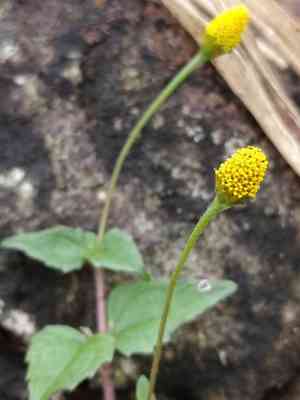
Distinguished by its vivid floral clusters, spilanthes paniculata flourishes with consistent trimming. Cut back after the first blossoming period to stimulate a subsequent bloom and preserve its structure. Perform pruning in the spring to eliminate deceased or frail stalks, fostering robust development. Summer shaping manages its dimensions and boosts air movement. Removing spent blooms in autumn deters self-propagation and readies spilanthes paniculata for the colder months. Advantages of pruning encompass improved plant vitality, increased floral production, and a dense configuration. Sterilized implements and precise cuts are crucial for optimal outcomes.
Advantages of Trimming Spilanthes Paniculata
Advantages of Trimming Spilanthes Paniculata
Trimming spilanthes paniculata fosters vigorous development and maintains its desired shape. Consistent cutting stimulates fresh shoots, leading to a fuller appearance and enhanced vitality, while shaping improves the plant's visual appeal.
Optimal Period for Pruning Spilanthes Paniculata
Optimal Period for Pruning Spilanthes Paniculata
Pruning spilanthes paniculata in Spring is advised to remove any lifeless or frost-damaged stems from winter, promoting new growth and strength as the plant enters its active development phase. Early Summer pruning, immediately following the initial flowering cycle, encourages a second flush of blooms and can be utilized to shape the plant and maintain its compact form. Autumn pruning should be minimal, primarily for tidying up and preparing the plant for the upcoming dormant period without stimulating new growth that could be harmed by winter frosts.
Tools Required for Pruning Spilanthes Paniculata
Hand Pruners
These are crucial for precise cutting and shaping of spilanthes paniculata. They enable clean cuts that promote healthy regrowth without causing undue harm to the plant.
Snips or Scissors
Perfect for removing faded blooms and trimming delicate stems. Their accuracy is excellent for preserving the aesthetic and health of spilanthes paniculata by allowing targeted pruning.
Pruning Shears
Best for shaping and managing the growth of spilanthes paniculata, pruning shears can handle slightly thicker stems that hand pruners might struggle with.
How to Prune Spilanthes Paniculata
Assess plant health
Inspect spilanthes paniculata for withered leaves, focusing on the plant's underside where they often hide. These are identifiable by their yellowed, brown, or dried-out look.
Sanitize tools
Clean and sterilize pruning shears before use to prevent disease transmission. Use a solution of one part bleach to nine parts water or rubbing alcohol to disinfect the implements.
Remove withered parts
Carefully snip off the withered leaves from spilanthes paniculata at the base of the leaf stem without harming healthy sections of the plant. Make a clean cut to encourage rapid healing.
Discard waste
Collect and dispose of the removed leaves in a manner that minimizes the risk of disease spread, ideally by removing them entirely from the garden area and not composting diseased material.
Monitor plant condition
Regularly observe spilanthes paniculata after pruning to ensure the plant remains healthy and promptly prune any new withered leaves to maintain its vigor and appearance.
Common Pruning Errors with Spilanthes Paniculata
Excessive pruning
Removing too much foliage from spilanthes paniculata at once can stress the plant, diminishing its vitality and capacity to produce flowers. It's vital to prune sparingly and not cut back more than a third of the plant at a time.
Incorrect cut placement
Cutting either too close or too far from the node can impede healing and new growth. Cuts should be made just above leaf nodes at a 45-degree angle to encourage regeneration.
Ignoring dead or diseased parts
Neglecting to remove dead or diseased material can prevent spilanthes paniculata from directing energy towards healthy growth, and may spread disease to other parts of the plant.
Pruning without sanitizing tools
Using tools that haven't been cleaned and disinfected can introduce pathogens to spilanthes paniculata, potentially causing illness.
Lack of pruning
Spilanthes paniculata benefits from consistent pruning to encourage bushiness and flower production. Failing to prune at all can result in a leggy, less attractive, and less productive plant.
General Pruning Advice for Spilanthes Paniculata
Targeted pruning
Prune selectively, focusing on dead or diseased stems, and to shape the plant. Leave sufficient foliage to maintain plant health.
Cut above leaf nodes
When pruning spilanthes paniculata, always make cuts just above the leaf nodes, as this is where new growth will emerge.
Clean pruning tools
Always use clean, sharp pruning tools to make precise cuts and avoid crushing the plant's tissues, which could invite disease.
Promoting bushiness
Pinch off the tips of spilanthes paniculata regularly to encourage a bushy form and more blooms. Pinching should be light and consistent.
Encouraging blooms with pruning
To stimulate blooming in spilanthes paniculata, prune spent flowers. This deadheading process encourages the plant to produce more flowers.



