How to Prune Common yarrow?
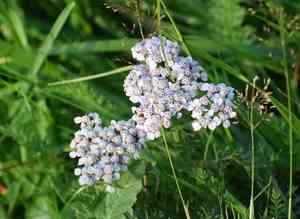
Celebrated for its delicate leaves and grouped blossoms, common yarrow flourishes with consistent trimming. Cut back after flowering to stimulate a subsequent bloom and remove spent flowers routinely. In early spring, prune to sculpt the plant, fostering robust new development. Pruning in late autumn readies common yarrow for the colder months, deterring infestations and illnesses. Trimming not only preserves its appearance but also boosts plant vitality and prolongs its existence.
What Are the Benefits of Pruning Common Yarrow?
What Are the Benefits of Pruning Common Yarrow?
Trimming common yarrow promotes abundant flowering, robust development, and maintains a compact, visually appealing form. This practice ensures optimal plant health and vigor.
What Is the Best Time for Pruning Common Yarrow?
What Is the Best Time for Pruning Common Yarrow?
Pruning in early spring is ideal for common yarrow as it prepares the plant for the vigorous growth typical of the upcoming season, removes dead or damaged parts from winter, and helps shape the plant without affecting future blooms. Late fall pruning is recommended as it helps prevent disease and pest infestation by removing spent flowers and any unhealthy foliage, which can harbor problems over winter. Additionally, pruning during dormancy minimizes stress on common yarrow as it is not actively growing, thus promoting robust health and prolific flowering in the next growing season.
What Tools Do I Need to Prune Common Yarrow?
Bypass Pruners
Suitable for making clean cuts through the somewhat fibrous stems of common yarrow, bypass pruners are preferable because their sharp, scissors-like action can cut without crushing the plant tissue.
Garden Scissors
Ideal for deadheading or light trimming of common yarrow. These allow for precise cuttings, which is important to maintain the plant's shape and encourage new growth.
Pruning Shears
Best for snipping off old flower stems and shaping common yarrow. Their design provides leverage and strength needed to prune denser parts of the plant.
Gloves
Protective gloves are recommended when pruning common yarrow to avoid contact with the sap, which can be irritating to some people's skin.
How to Prune Common Yarrow
Step1: Identify Dead and Diseased Stems
Assess common yarrow at the end of the blooming season, or in early spring, to identify the dead stems, old flowers, and any diseased parts that require pruning.
Step2: Sanitize Pruning Tools
Sanitize your pruning shears with a 10% bleach solution or rubbing alcohol before beginning to prevent the spread of diseases.
Step3: Remove Dead Stems at Base
Start by removing any dead stems close to the ground level, cutting at a 45-degree angle to encourage water runoff and prevent rot.
Step4: Prune Old Flower Stalks
Locate old flowers that have finished their bloom cycle and cut the flower stalk down to the nearest set of leaves, ensuring you do not remove new flower buds forming below.
Step5: Cut Out Diseased Plant Parts
Identify and remove any diseased parts of common yarrow, making sure to cut well into healthy tissue to eliminate all traces of the disease.
Step6: Shape for Bushier Growth
After removing dead or diseased material, shape common yarrow by cutting back leggy or overgrown stems to a side shoot or leaf node to encourage bushier growth.
Step7: Thin to Improve Air Circulation
Thin out the center of common yarrow if it's dense, to improve air circulation which helps to reduce the risk of disease.
Step8: Clean Tools and Dispose of Debris
After pruning, clean the shears again with the bleach solution or alcohol, and dispose of all removed plant material off-site to prevent any disease from spreading.
Step9: Enrich Soil with Compost
Apply a thin layer of compost around the base of common yarrow to promote healthy new growth, followed by a layer of mulch to retain moisture and control weeds.
Step10: Water After Pruning
Water common yarrow deeply after pruning to help it recover and establish a healthy root system for the upcoming growing season.
Post-Pruning Care for Common Yarrow
Post-Pruning Care for Common Yarrow
Immediately after pruning, water common yarrow generously to aid recovery. Ensure the cut areas are clean to prevent infection. Position the plant in full sun to partial shade, maintaining a mild ambient temperature and appropriate humidity levels. Apply a balanced fertilizer to replenish nutrients, encouraging growth. Monitor common yarrow for wilted leaves or discoloured stems, which may indicate stress or disease. If signs occur, adjust care and consult a horticulture expert if needed. Regular observation will help detect issues early for prompt intervention.
Common Pruning Mistakes with Common Yarrow
Over-Pruning Causes Stress and Slow Recovery
Pruning too aggressively, which can result in common yarrow struggling to recover and produce new growth. Removing too much foliage at once can stress the plant.
Dull and Dirty Tools Lead to Plant Damage
Using dull or dirty pruning tools, which can damage the stems of common yarrow and introduce disease, leading to poor plant health.
Neglecting Diseased Foliage Risks Plant Health
Ignoring dead or diseased foliage, which can inhibit new growth and spread disease throughout common yarrow, reducing its vigor and flowering potential.
Common Pruning Tips for Common Yarrow
Sharp, Clean Shears Ensure Healthy Cuts
Use sharp, clean pruning shears to make precise cuts, which will help prevent damage to common yarrow and reduce the risk of disease transmission.
Regular Deadheading Promotes New Blooms
Cut back faded flowers and dead stems regularly to encourage common yarrow to produce new blooms and maintain a neat appearance.
Thinning Boosts Light and Prevents Disease
Thin out overcrowded areas gently to improve air circulation and light penetration, helping to prevent disease and encourage healthy growth in common yarrow.



