How to Prune Shandong maple?
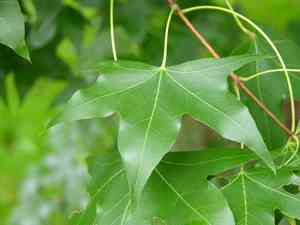
The shandong maple, a resilient deciduous tree celebrated for its vivid leaves, benefits greatly from thoughtful trimming. To foster a strong framework, eliminate any deceased or intersecting limbs in late winter or early spring while the tree is inactive. Reducing the density of the crown improves light access and air circulation, which are crucial for the shandong maple's brilliant fall colors. Restrict pruning to no more than a quarter of the crown to avoid causing strain. Precisely timed cuts aid in quick recovery, preserve vitality, and boost development in subsequent periods.
What Are the Benefits of Pruning Shandong Maple?
What Are the Benefits of Pruning Shandong Maple?
Trimming shandong maple encourages robust development and maintains its desired form. Strategic cuts improve health by eliminating dead or diseased wood, enhancing structure and light penetration.
What Is the Best Time for Pruning Shandong Maple?
What Is the Best Time for Pruning Shandong Maple?
Pruning shandong maple in late winter or early spring is optimal as this period aligns with the plant's dormancy, just before its growth cycle restarts. By trimming shandong maple while it's dormant, the risk of sap leakage and disease infection is minimized, allowing cuts to heal before sap flow increases with warmer temperatures. This timeframe is also preferred because shandong maple's structure is more visible without leaves, enabling more strategic and effective pruning. Furthermore, removing dead or damaged branches before new growth begins helps direct the plant's energy towards developing a healthy canopy and can boost flowering or fruiting later in the season. Pruning before the spring growth spurt also ensures any new growth conforms to shandong maple's desired shape and structure, fostering a strong and aesthetically pleasing form.
What Tools Do I Need to Prune Shandong Maple?
Hand pruners
Shandong maple younger branches are relatively small, and hand pruners provide gardeners with the precision needed for clean cuts without harming the plant.
Loppers
For slightly larger branches beyond the reach of hand pruners, loppers offer the necessary leverage to prune shandong maple without straining the gardener's hands.
Pruning saw
When dealing with branches thicker than 1.5 inches, a pruning saw is essential to cut through the wood without causing undue stress to shandong maple.
Pole pruner
For reaching higher branches that cannot be comfortably pruned from ground level, a pole pruner with either a saw or pruner attachment is recommended for shandong maple.
Gardening gloves
To protect hands from scratches and ensure a better grip on pruning tools when working on shandong maple.
Wound sealant
After making cuts on branches larger than an inch in diameter, a wound sealant can be applied to protect shandong maple from diseases and pests.
How to Prune Shandong Maple
Clean tools
Before pruning shandong maple, clean and sterilize all pruning tools to prevent the spread of disease.
Inspect
Thoroughly inspect shandong maple to identify all dead or diseased branches that need removal.
Prune dead branches
Using sharp pruning shears, cut dead branches where they join a larger branch or the trunk, making a clean, angled cut to promote healing.
Prune diseased branches
Carefully remove diseased branches by cutting them back to healthy wood, preventing the spread of pathogens to healthy parts of shandong maple.
Dispose
Properly dispose of all removed dead and diseased material away from shandong maple to minimize the risk of reinfection or pest infestation.
Common Pruning Mistakes with Shandong Maple
Over-pruning
Removing too much foliage or too many branches at once can stress shandong maple, leading to poor growth or increased susceptibility to diseases and pests.
Improper cut placement
Making cuts too close to the trunk or leaving too long a stub can hinder shandong maple's natural healing process and lead to decay.
Tearing bark
Incorrect cutting techniques can result in bark tearing, which can damage shandong maple and introduce disease.
Pruning during active sap flow
While timing has been excluded, pruning when the tree is actively moving sap can lead to excessive bleeding and should be avoided.
Using dull tools
Dull pruning tools can make imprecise cuts, damaging shandong maple and making it more prone to infection.
Ignoring disease prevention
Not cleaning tools before and after pruning shandong maple can spread diseases between plants.
Failure to thin
Neglecting to thin out crowded branches can reduce light penetration and air circulation, which is vital for shandong maple's overall health.
Common Pruning Tips for Shandong Maple
Cut placement
Make clean cuts at a slight angle, about 1/4 inch above an outward-facing bud, to promote proper healing and growth direction in shandong maple.
Sharp tools
Use sharp, clean pruning shears or saws to make precise cuts that will heal more quickly on shandong maple.
Three-cut branch removal
When removing larger branches, use the three-cut method to prevent bark tearing: an undercut, a relief cut further out, then a final cut near the branch collar.
Growth encouragement
To encourage shandong maple to grow fuller and produce more foliage, selectively prune overcrowded or crossed branches to increase light penetration and air circulation.
Healing aid
After making larger cuts on shandong maple, some gardeners apply a thin layer of pruning sealer to aid in the healing process, though this practice is debated among horticulturalists.
Effective thinning
Regularly thin the canopy of shandong maple to promote its structural integrity and to shape it, but ensure that no more than 25% of the canopy is removed in one growing season.
Sanitization
Sanitize all pruning tools before and after use on shandong maple to prevent the spread of diseases.



