How to Prune Mountain maple?
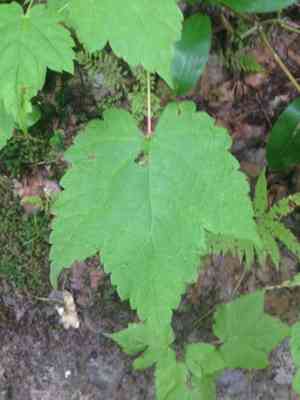
This understory deciduous shrub, distinguished by its dense structure and toothed foliage, benefits greatly from judicious trimming. For mountain maple, the optimal period for pruning is in late winter or early spring, prior to the emergence of new shoots. Begin by eliminating any deceased or compromised branches, then reduce congested sections to enhance air movement and light exposure. This practice safeguards the plant's well-being and inherent contour while fostering robust development. Furthermore, pruning encourages the generation of fresh stems, thereby elevating its aesthetic appeal.
Advantages of Trimming Mountain Maple
Advantages of Trimming Mountain Maple
Trimming mountain maple promotes vigorous development and maintains its desired structure. By selectively removing specific parts, gardeners can enhance vitality and ensure a more compact, visually appealing form, crucial for both decorative and functional landscape purposes.
Optimal Period for Pruning Mountain Maple
Optimal Period for Pruning Mountain Maple
Pruning mountain maple in late winter or early spring is advantageous because the plant is typically dormant then. This timing prevents sap loss that could weaken the plant and avoids the potential spread of diseases common in warmer months. Additionally, the absence of leaves allows for better visibility of the plant's structure. Pruning before new growth begins helps stimulate mountain maple's health and vigor, ensuring energy is directed towards developing new shoots, leaves, and, if present, flowers and fruits in the upcoming growing season.
Required Tools for Pruning Mountain Maple
Bypass Pruners
Perfect for making clean cuts on smaller mountain maple branches, bypass pruners create a sharp incision that encourages rapid healing. Ideal for branches up to 0.5 inches in diameter.
Loppers
For slightly larger branches, typically up to 1.5 inches in diameter, loppers provide the necessary leverage to make clean cuts through mountain maple wood without causing undue damage to the plant.
Pruning Saw
When dealing with mountain maple branches exceeding 1.5 inches in diameter, a pruning saw offers the required strength and control. This tool enables precise cutting without harming surrounding growth.
Hedge Shears
For shaping the outer canopy and maintaining a tidy appearance of mountain maple, hedge shears are excellent. They can trim multiple small branches simultaneously, perfect for quick touch-ups.
Pole Pruner
When pruning inaccessible branches, a pole pruner is essential for mountain maple, allowing the gardener to cut branches several feet above ground without needing a ladder.
How to Prune Mountain Maple
Sanitation
Disinfect all pruning tools to prevent disease transmission before beginning the pruning process on mountain maple.
Identification
Carefully examine mountain maple to locate all dead or diseased branches. These often show discoloration, dryness, or signs of fungal growth.
Cuts
Make clean cuts with a sharp pruning saw or secateurs just above a bud or branch collar. For dead branches, cut as close to the trunk as possible without harming the collar. For diseased branches, cut at least several inches into healthy wood to ensure all affected parts are removed.
Disposal
Immediately discard all removed dead or diseased branches to prevent contamination. Do not compost as diseases can spread to other plants.
Cleanup
Clean the pruning tools with disinfectant to prevent the spread of any potential pathogens that were present on the dead or diseased branches of mountain maple.
Common Pruning Errors with Mountain Maple
Excessive Pruning
Removing too much of mountain maple's canopy at once can stress the plant, potentially leading to poor growth and reduced hardiness.
Incorrect Cut Placement
Cutting too far from a bud or node, or leaving a stub, can impede mountain maple's healing process and invite disease or pests.
Uneven Shaping
Failing to maintain a balanced shape can result in a lopsided appearance and may affect the structural integrity of mountain maple.
Improper Tool Use
Using dull or unsuitable tools can cause tearing or jagged cuts that damage mountain maple and hinder healing.
Neglecting Diseased Branches
Overlooking or improperly pruning diseased or damaged limbs can spread pathogens and weaken mountain maple.
General Pruning Advice for Mountain Maple
Sharp Clean Tools
Ensure pruning tools are sharp and clean to make precise, clean cuts that promote quicker healing for mountain maple.
Follow Branch Angles
Cut just above an outward-facing bud or node at a 45-degree angle, in line with the branch collar, to encourage proper mountain maple regrowth.
Thinning Inner Branches
Thin out some of the inner branches to allow light and air to penetrate the canopy, which promotes healthy growth of mountain maple.
Remove Dead Material
Regularly remove dead, damaged, or diseased wood to maintain mountain maple's health and vigor.
Consider Growth Pattern
Understand mountain maple's natural growth habit to retain its pleasing shape and encourage the desired direction of new growth.



