How to Prune Sycamore?
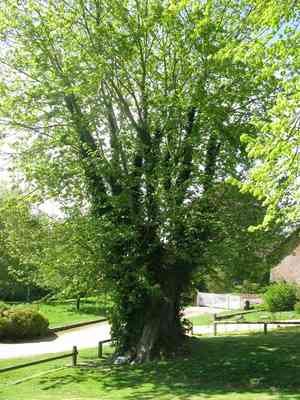
A resilient, leaf-shedding tree prized for its expansive, maple-esque foliage, the sycamore flourishes in expansive environments. Trim to sculpt and preserve its well-being by eliminating lifeless, ailing, or intersecting limbs. The optimal period for trimming is from late winter to early spring, prior to the emergence of fresh shoots. Pruning during this inactive phase reduces the outflow of sap and the potential for illness, fostering energetic development and a sturdy framework. Trimming sycamore also improves air circulation and light access, which are vital for its health.
Advantages of Trimming Sycamore
Advantages of Trimming Sycamore
Trimming sycamore promotes robust development by eliminating weak or ailing limbs, leading to a more resilient, healthier tree. Regular shaping aids in preserving its desired form and dimensions, enhancing the tree's visual appeal and structural soundness.
Optimal Period for Pruning Sycamore
Optimal Period for Pruning Sycamore
Pruning sycamore in late winter or early spring, just prior to new growth, is considered ideal. This timing allows for easy identification of damaged or diseased branches without leaf obstruction. It also minimizes the risk of sycamore contracting illnesses and pests, as many are inactive during these seasons. Furthermore, cuts made during this period heal more rapidly once growth resumes, reducing stress on sycamore. Pruning during these seasons aligns with sycamore's dormant phase, when sap flow is minimal, preventing excessive sap bleeding that can weaken the plant. Avoiding the active growing season also ensures that trimming does not interfere with sycamore's natural growth cycle, including its flowering or fruiting stages. By following these guidelines, sycamore will maintain a healthy structure and vigorous growth throughout the year.
Essential Tools for Pruning Sycamore
Hand Pruners
Perfect for removing smaller branches and twigs on sycamore up to 3/4 inch thick. Ensure they are bypass pruners for clean cuts that encourage healthy regrowth.
Loppers
Sycamore has thicker branches that may necessitate loppers, capable of handling branches up to 1 1/2 inches thick, for precise and effortless cutting.
Pruning Saw
For larger branches exceeding 1 1/2 inches in diameter on sycamore, a pruning saw is essential. A curved blade will facilitate sawing overhead branches.
Pole Pruner
Sycamore can grow quite large, and for higher branches, a pole pruner will enable trimming without a ladder, thus ensuring your safety.
Hedge Shears
If sycamore has been cultivated into a hedge or shaped form, hedge shears will be useful for maintaining its shape with even, straight cuts.
How to Prune Sycamore
Clean Tools
Before commencing the pruning process, ensure all pruning tools are clean and sharp to prevent disease transmission and to make clean cuts on sycamore.
Inspection
Conduct a thorough examination of sycamore for any dead or diseased branches, which typically appear dry, brittle, and may have discolored bark or foliage.
Cutting Technique
Employ proper cutting methods when removing branches. Make cuts at the branch collar, the swollen area at the base of a branch, to promote quicker healing without harming healthy tissues.
Remove Dead Branches
Carefully remove dead branches by cutting them just outside the branch collar. Do not tear or strip the bark, as it can expose sycamore to pests and diseases.
Remove Diseased Branches
Isolate and prune diseased branches, ensuring to cut well below any discolored or visibly affected areas to prevent disease spread within sycamore.
Common Pruning Errors with Sycamore
Over-Pruning
Removing too much of sycamore's canopy at once can shock the tree, leading to poor health and reduced vigor.
Topping
Cutting off the top of sycamore to reduce height is detrimental; it can cause decay, unsightly growth, and weaken the structure.
Improper Cuts
Making flush cuts against the trunk can remove the branch collar, leading to improper healing and disease entry.
Neglecting Tools
Using dull or dirty pruning tools can result in jagged cuts that are prone to infection and may damage sycamore's tissues.
Striping
Peeling off branches along the trunk, known as striping, can create large wounds and expose sycamore to pathogens.
General Pruning Advice for Sycamore
Health Assessment
Before pruning sycamore, assess its health to identify diseased, dead, or broken branches for removal.
Cutting Technique
Make clean, angled cuts just outside the branch collar to promote effective healing and to avoid damage.
Balance
Prune branches to maintain a balanced framework, which prevents wind damage and encourages even growth in sycamore.
Correct Timing
Prune sycamore depending on the objective, such as shaping or size control, but avoid pruning when disease vectors are active.
Tool Care
Use sharp, clean pruning tools for smooth cuts that heal quickly, helping prevent infection in sycamore.
Safety
For larger sycamore trees, consider the safety aspects and hire a professional if the tree's size is beyond your capacity.



