How to Prune Striped maple?
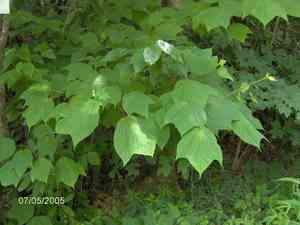
Celebrated for its upright white bands on verdant bark, striped maple flourishes optimally with judicious thinning to improve its form and well-being. Perform pruning during its inactive period, in late winter or early spring, to avoid sap leakage. Eliminating deceased or intersecting branches and reducing crowded sections enhances the ingress of light and air. This type of upkeep fosters robustness and discourages infestations and ailments, thereby maximizing the aesthetic value of striped maple.
What Are the Benefits of Pruning Striped Maple?
What Are the Benefits of Pruning Striped Maple?
Trimming striped maple is crucial for maintaining its vitality and attractive appearance. It promotes vigorous development by eliminating dead or weak branches, ensuring energy is directed to healthier sections. Pruning also helps control the form of striped maple, enhancing its decorative appeal.
What Is the Best Time for Pruning Striped Maple?
What Is the Best Time for Pruning Striped Maple?
These periods are considered ideal for several reasons. Late winter pruning allows gardeners to shape striped maple before the spring growth surge, reducing the chance of sap loss, which striped maple can be prone to if pruned later. It also gives striped maple time to recover before new growth begins. Early spring pruning, just before the growing season, is also beneficial as it can help remove any winter damage and encourages a healthy growth response. This timing avoids cutting into new growth, which can harm striped maple's health, and ensures that pruning does not interfere with the plantâs flowering or fruit production cycles, as striped maple typically flowers in late spring after its leaves have emerged.
What Tools Do I Need to Prune Striped Maple?
Hand Pruners (Bypass Pruners)
Perfect for making precise cuts on striped maple's smaller branches, typically under 1/2 inch in diameter. Bypass pruners operate like scissors, with a sharp blade passing a non-cutting blade, ensuring a clean cut that encourages healthy regrowth.
Lopping Shears
Suitable for cutting branches up to 1 1/2 inches in diameter. Striped maple may have branches too thick for hand pruners but easily managed with lopping shears. These long-handled tools provide leverage for easier cutting.
Pruning Saw
Used for branches over 1 1/2 inches thick that cannot be managed with lopping shears. For striped maple, a curved pruning saw can make the task of cutting through larger branches more efficient, as it allows for a greater cutting surface and ease of use.
Pole Pruner
Recommended for reaching higher branches of striped maple without needing a ladder. Pole pruners can cut through small to medium-sized branches and can often be fitted with a saw attachment for thicker growth.
Pruning Gloves
Protection is vital when pruning striped maple. Gloves will shield the gardener's hands from sharp branches and the tools themselves.
Wound Dressing
While not a tool, applying a wound dressing to larger cuts on striped maple can help protect the exposed wood from disease and insects, though this practice varies by horticulturalist recommendations.
How to Prune Striped Maple
Step1: Timing Assessment for Pruning
Evaluate striped maple at the appropriate time of year, ideally during late winter or early spring before sap flow becomes heavy. Pruning when the tree is dormant helps prevent excessive sap bleeding, which striped maple is prone to due to its thin bark.
Step2: Tool Sterilization
Sanitize pruning tools before starting. Use alcohol or a 10% bleach solution to disinfect pruning shears, loppers, saws to prevent disease spread.
Step3: Removal of Dead Branches
Begin by removing all dead branches. Cut these branches at their origin point or back to a healthy lateral branch. Make cuts just outside the branch collar to promote proper healing.
Step4: Diseased Wood Identification and Removal
Identify and remove diseased wood. Look for branches with unusual markings, discolorations, or growths. Prune these branches well below the affected area, disposing of them properly to prevent disease spread.
Step5: Correction of Weak Stems
Examine striped maple for weak stems, including those rubbing together or growing at awkward angles that may cause future structural issues. Prune these branches back to their point of origin or to a strong lateral branch.
Step6: Formative Shaping
Make any shaping cuts to maintain the desired form of striped maple. Be mindful to maintain an open canopy for light penetration and air circulation, which promotes overall tree health and reduces disease risk.
Step7: Canopy Thinning for Light Penetration
Thin out the canopy if necessary by removing some of the inner branches. This allows more light into the center of striped maple and encourages new, healthy growth.
Step8: Post-Pruning Cleanup
After pruning, clean up all debris from the area to decrease the likelihood of pests or diseases affecting striped maple in future.
Step9: Post-Pruning Stress Monitoring
Monitor striped maple for signs of stress after pruning, such as unusual leaf drop or dieback. Provide striped maple with appropriate water and mulch to help it recover.
Step10: Pruning Documentation
Document the pruning session for striped maple. Keep records with dates, the extent of pruning, and observations. This can help inform future care and pruning practices.
Post-Pruning Care for Striped Maple
Post-Pruning Care for Striped Maple
Immediately after pruning striped maple, ensure the wounds are clean and, if needed, apply a wound sealer. Position striped maple in partial shade to avoid excessive sun exposure and maintain moderate humidity and stable temperatures to reduce stress. Implement a balanced fertilization regimen after pruning to replenish nutrients; however, avoid over-fertilization which can lead to weak growth. Regularly inspect striped maple for signs of infection or poor recovery, such as wilting, discoloration, or oozing. If symptoms are observed, promptly consult a plant health expert for appropriate treatments to prevent further damage.
Common Pruning Mistakes with Striped Maple
Over-pruning Shock and Disease Risk
Removing too much at once can shock striped maple, potentially leading to weakened growth or the introduction of diseases.
Dull Tools Cause Slow Healing Cuts
Using dull or dirty pruning tools can result in jagged cuts that are slow to heal, increasing the risk of disease and pest infestation for striped maple.
Lack of Clear Pruning Objective
Pruning without a clear objective, such as removing dead wood or shaping striped maple, can lead to unbalanced growth and a less aesthetically pleasing shape.
Debris Neglect Invites Pests and Disease
Neglecting to clean up fallen debris after pruning, which can harbor pests and diseases that may affect the long-term health of striped maple.
Improper Cuts Damage Plant's Cambium
Tearing or stripping the bark when making cuts, rather than employing a clean slicing action, can damage the tree's vital cambium layer and impair striped maple's ability to transport nutrients and water.
Common Pruning Tips for Striped Maple
Sharp Tools for Quick Healing
Use sharp, clean pruning tools to make precise cuts that will heal quickly, thus minimizing stress and the risk of disease for striped maple.
Prune for Natural Shape and Health
Prune to maintain the natural form of striped maple, removing only dead, weak, or crossing branches, and thin out dense areas to improve light penetration and air circulation.
Angled Cuts Prevent Water Accumulation
Make cuts at a slight angle and just above a bud or branch, ensuring that water does not accumulate on the cut surface, reducing the risk of decay for striped maple.
Gradual Pruning Reduces Shock
When reducing the height or spread of striped maple, do so gradually over a few seasons to avoid shock, maintaining the health and vitality of the plant.
Debris Removal to Prevent Disease
After pruning, clear away all clippings and cuttings to prevent the spread of disease and reduce the likelihood of pest problems for striped maple.
Selective Pruning Over Shearing
Focus on selective pruning rather than shearing or topping, as striped maple responds better to selective removal of branches that maintains its overall structure and health.



