How to Prune Bigleaf maple?
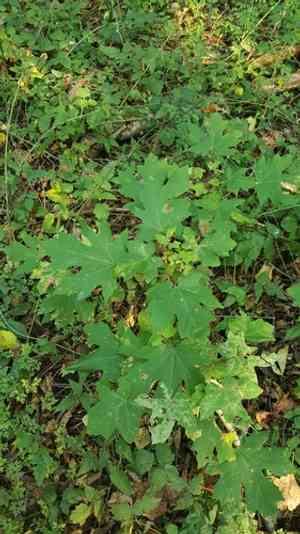
Distinguished by its expansive, deeply divided foliage, the bigleaf maple attains impressive dimensions within its environment. Essential pruning methods involve excising deceased or ailing wood, reducing dense branches to improve light access, and sculpting for visual appeal and structural integrity. The most favorable times for pruning are in late winter or early spring, prior to the escalation of sap movement. Pruning bigleaf maple can boost its vitality and overall well-being, whereas incorrect cuts made during periods of active sap flow may result in profuse exudation. Precise selection and opportune timing of cuts are critically important.
What Are the Benefits of Pruning Bigleaf Maple?
What Are the Benefits of Pruning Bigleaf Maple?
Trimming bigleaf maple encourages robust development and maintains its desired form. It can improve structural soundness, prevent excessive growth, and ensure adequate sun exposure for healthier foliage.
What Is the Best Time for Pruning Bigleaf Maple?
What Is the Best Time for Pruning Bigleaf Maple?
The optimal period for pruning bigleaf maple is late winter to early spring. During this time, the tree remains dormant, minimizing the risk of pest infestations or disease introduction. Pruning just before the spring growth surge allows cuts to heal quickly without stressing the tree, as it hasn't yet diverted energy to producing leaves, flowers, or seeds. Furthermore, the bare canopy simplifies viewing the tree's structure, aiding in better decisions about which branches to remove to maintain bigleaf maple's health and structure. Pruning at this time also lessens the impact on sap flow, which can be more pronounced in bigleaf maple if pruned during active growing seasons when sap is most vigorous.
What Tools Do I Need to Prune Bigleaf Maple?
Hand Pruners
Perfect for making precise cuts on young branches and stems of bigleaf maple, which helps prevent disease and encourages healthy growth. Opt for bypass pruners for the cleanest cuts.
Lopping Shears
Suitable for branches up to 1.5 to 2 inches in diameter. Their extended handles provide leverage to cut through thicker growths of bigleaf maple with greater ease.
Pruning Saw
Essential for larger branches exceeding 2 inches in diameter, where hand pruners and loppers are insufficient for bigleaf maple's mature growth.
Pole Pruner
Enables the removal of out-of-reach branches in larger bigleaf maple. Features both a saw and a lopper mechanism on an extendable pole for versatility.
Hedge Shears
Useful for shaping and trimming the outer foliage of bigleaf maple if it's being maintained as a hedge or for aesthetic purposes.
How to Prune Bigleaf Maple
Step1: Tool Preparation
Prepare the necessary pruning tools, such as sharp, clean pruning shears, a saw for larger branches, and loppers. Ensure tools are disinfected to prevent disease transmission.
Step2: Identifying Dead Wood
Examine bigleaf maple for dead wood by looking for branches that are brown, dry, and lack leaves or buds. These are typically easy to spot as they contrast with the healthy, living tissue, which is more flexible and greenish.
Step3: Timing of Pruning
Begin removing dead wood in the dormant season, from late winter to early spring, before new growth commences. This timing minimizes stress on bigleaf maple and improves branch visibility.
Step4: Cutting Back Dead Wood
Cut dead wood back to the point where it meets healthy tissue. Make the cut just outside the branch collar (the swollen area where the branch joins the trunk or a larger branch), being careful not to harm the collar itself.
Step5: Inspecting for Damage
Identify damaged limbs on bigleaf maple by looking for wounds, cracks, or signs of breakage. These limbs might still have living tissue but are structurally compromised.
Step6: Pruning Damaged Limbs
Prune damaged limbs just above a lateral branch or bud that is facing outward to encourage proper new growth. Ensure the chosen branch or bud is healthy.
Step7: Detecting Disease
Assess bigleaf maple for signs of diseased branches, which may include discoloration, cankers, or the presence of fungal growth such as mushrooms. Consult a horticulturist if needed to diagnose specific diseases.
Step8: Removing Diseased Branches
Remove diseased branches by cutting at least several inches below the affected area to ensure all diseased tissue is eliminated. If the entire branch is affected, remove it completely following the guidelines in Step 4. Sanitize tools immediately after cutting diseased material.
Step9: Shaping the Plant
Periodically step back to evaluate the shape of bigleaf maple and ensure that pruning efforts result in a balanced, natural form. Avoid over-pruning, which can stress the tree and stimulate excessive sucker growth.
Step10: Disposal of Pruning Waste
Properly dispose of all removed material, especially diseased branches, to prevent the spread of any pathogens or pests to other parts of bigleaf maple or to other plants.
Step11: Post-Pruning Care
After pruning, care for bigleaf maple by watering appropriately, mulching the base (avoiding the trunk), and monitoring the tree for signs of stress or disease in the upcoming growing season.
Post-Pruning Care for Bigleaf Maple
Post-Pruning Care for Bigleaf Maple
Ensure cuts are clean to promote healing. Adjust environmental conditions by providing moderate light and protecting from extreme temperatures. Maintain consistent soil moisture without overwatering. Apply a balanced, slow-release fertilizer to support bigleaf maple's recovery, but avoid over-fertilization. Regularly inspect for signs of distress, such as wilting or discoloration, and fungal infections at the pruning sites.
Common Pruning Mistakes with Bigleaf Maple
Excessive Pruning Impairs Photosynthesis
Over-pruning, which can stress bigleaf maple and diminish its ability to photosynthesize effectively.
Unsterilized Tools Spread Diseases
Pruning without sterilizing tools, which risks spreading diseases among bigleaf maple and other plants.
Improper Cuts Damage Plant Collar
Making cuts too close to the trunk, potentially harming the collar and leading to decay.
Common Pruning Tips for Bigleaf Maple
Use Sharp, Clean Tools for Healthy Cuts
Utilize sharp, clean pruning tools to make precise cuts, which help bigleaf maple heal faster and reduce the chance of disease.
Remove Crossed Branches for Better Growth
Prune crossed or rubbing branches to encourage healthy growth patterns and reduce the risk of wounds on bigleaf maple.
Angle Cuts for Optimal Growth and Airflow
Cut at a slight angle away from the bud to direct new growth away from the center of bigleaf maple, promoting better air circulation and sunlight exposure.



