How to Prune Fullmoon maple?
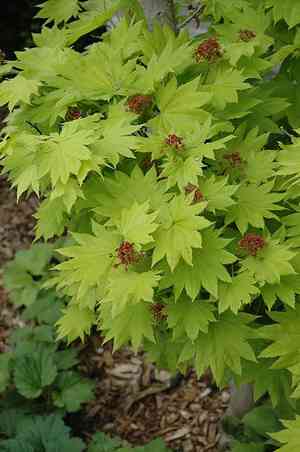
Originating from Japan, the fullmoon maple is celebrated for its graceful, spherical structure and stunning autumnal hues. To ensure peak health and an attractive silhouette, trim fullmoon maple during late winter or early spring, prior to the emergence of new shoots. Essential methods involve excising deceased or ailing branches, reducing dense limbs to boost light exposure and air movement, and sculpting the crown for visual charm. This trimming practice fosters vigor by averting excessive density and accentuates the brilliance of its vivid fall leaves.
What Are the Benefits of Pruning Fullmoon Maple?
What Are the Benefits of Pruning Fullmoon Maple?
Trimming fullmoon maple promotes robust development and helps maintain its desired form. By carefully removing branches, fullmoon maple can produce fresh, healthy foliage and keep an attractive shape, which is crucial for this decorative species.
What Is the Best Time for Pruning Fullmoon Maple?
What Is the Best Time for Pruning Fullmoon Maple?
The ideal periods for trimming fullmoon maple are late winter and early spring, when the plant is still dormant and before sap begins to flow. This timing avoids the peak sap-flow period in spring when leaves emerge, which can cause excessive sap loss if pruned too late. Pruning during dormancy minimizes stress on fullmoon maple, allowing it to heal more efficiently and direct energy into vigorous growth once the season starts. Additionally, without leaves, fullmoon maple's structure is more visible, simplifying strategic cuts. This period also prevents disruption to the flowering phase in late spring to early summer, preserving the plant's aesthetic and reproductive cycles.
What Tools Do I Need to Prune Fullmoon Maple?
Bypass pruners
For precise cuts on young or slender branches of fullmoon maple, bypass pruners ensure clean and healthy cuts without crushing plant tissues.
Pruning saw
To handle larger branches that bypass pruners cannot cut cleanly, a pruning saw with fine teeth is recommended to minimize bark tearing and ensure a smooth cut on fullmoon maple's branches.
Loppers
For branches too thick for bypass pruners but still manageable without a saw, loppers provide the necessary leverage for clean cuts on fullmoon maple, typically up to 1.5-2 inches in diameter.
Pole pruner
To reach higher branches of fullmoon maple without a ladder, pole pruners allow safe pruning from the ground and are especially useful for tall fullmoon maple specimens.
Gardening gloves
Hands and skin should be protected from potential scrapes and cuts while pruning fullmoon maple; therefore, using durable gardening gloves is a recommended safety measure.
How to Prune Fullmoon Maple
Identify
Carefully inspect fullmoon maple to locate all dead and diseased branches. These are typically discolored, lack buds, or show signs of fungal growth and should be removed to maintain plant health and appearance.
Sterilize
Clean and sterilize your pruning tools before you begin and between cuts if removing diseased material to prevent spreading pathogens to healthy parts of fullmoon maple.
Cutting
Make clean cuts at a 45-degree angle, approximately 1/4 inch above a bud or branching point to encourage new growth, being careful not to leave a stub which can invite disease and pests.
Remove
Gently remove dead branches by cutting through the branch collar, avoiding a flush cut to preserve the natural healing area around the base of the branch. For diseased branches, cut back to healthy wood well beyond the affected area.
Cleanup
Dispose of all removed branches away from fullmoon maple to prevent any potential reinfection and clear all debris from the area.
Common Pruning Mistakes with Fullmoon Maple
Overzealous Pruning
Removing too much foliage can stress fullmoon maple, leading to poor growth and reduced vigor. This plant should not be pruned too heavily, as it may not recover well from aggressive cuts.
Improper Cut Locations
Cutting too close or too far from the bud can result in unhealthy growth or dieback. It's important to make cuts at a proper angle and distance from the buds for optimal healing and growth.
Using Dull Tools
Pruning with dull tools can damage the branches of fullmoon maple, leading to jagged cuts that are more susceptible to disease and pests. Always use sharp, clean pruning tools.
Shearing
Using shearing methods appropriate for hedges and not specimen trees can result in unnatural growth patterns and a decline in the ornamental value of fullmoon maple. Selective thinning is recommended over shearing.
Neglecting Diseased Material
Failing to remove dead, diseased, or damaged wood can invite pests and diseases to fullmoon maple. This plant requires careful inspection and removal of unhealthy material during pruning.
Common Pruning Tips for Fullmoon Maple
Selective Thinning
Focus on selective thinning to maintain the natural shape of fullmoon maple. Remove only the necessary branches to improve light penetration and air circulation.
Clean Cuts
Make clean cuts at a 45-degree angle about a quarter inch above an outward facing bud to encourage proper healing and directed growth.
Healthy Growth Priority
Prioritize the removal of crossing, rubbing, or inward-growing branches to promote a healthy growth structure for fullmoon maple.
Tool Sanitation
Clean and sanitize pruning tools before and after use to prevent the spread of diseases between plants that could harm fullmoon maple.
Consider Branch Structure
Examine the branch structure carefully to identify the main leader and scaffold branches before making cuts, preserving the natural form and stability of fullmoon maple.



