How to Prune Rocky mountain maple?
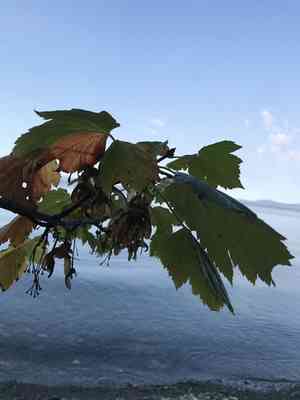
A leaf-shedding bush indigenous to North American highlands, rocky mountain maple flourishes in adequately drained earth. Crucial trimming entails excising lifeless, injured, or intersecting limbs to preserve its form and vitality. Execute this task in late winter or early spring while the plant is inactive. Reducing the number of older stalks encourages strong development and guarantees sufficient light exposure. Trim judiciously to prevent significant sap leakage, which could draw insects. Deliberate pruning results in a sturdy scaffold and improves the inherent shape of rocky mountain maple.
Advantages of Trimming Rocky Mountain Maple
Advantages of Trimming Rocky Mountain Maple
Trimming rocky mountain maple promotes robust development and helps maintain its desired form. Consistent removal of lifeless or weak limbs ensures a strong framework, fostering a healthier and more visually appealing plant structure.
Optimal Period for Trimming Rocky Mountain Maple
Optimal Period for Trimming Rocky Mountain Maple
The best times for pruning rocky mountain maple are late winter and early spring. During late winter, the plant is still dormant, making it the perfect time to prune without causing undue stress or encouraging new growth that could be damaged by late frost. Pruning in early spring just before new growth begins ensures the plant heals quickly and directs its energy to developing new branches and foliage. These periods are considered ideal as they prevent sap bleed, which can occur if pruning is done in late spring or summer when the plant is actively growing. Furthermore, removing damaged or diseased branches at this time helps prevent the spread of pests and diseases that are more likely to emerge as temperatures rise. Additionally, since rocky mountain maple does not flower, pruning during these times ensures the plant's resources are used efficiently for healthy growth in the upcoming season.
Required Tools for Pruning Rocky Mountain Maple
Hand Pruners
Essential for making precise cuts on small branches and twigs of rocky mountain maple, minimizing damage to plant tissues.
Lopping Shears
Suitable for cutting through thicker branches of rocky mountain maple that hand pruners cannot manage, offering leverage and accuracy.
Pruning Saw
Necessary for removing larger limbs from rocky mountain maple, allowing for a smooth and efficient cutting motion without tearing the bark.
Pole Pruner
Useful for reaching higher branches of rocky mountain maple without needing a ladder, enhancing safety and reach during the pruning process.
How to Prune Rocky Mountain Maple
Sanitize Tools
Before pruning rocky mountain maple, sterilize pruning tools using a solution of 1 part bleach to 9 parts water to prevent disease transmission.
Examine
Inspect rocky mountain maple for dead or diseased branches, looking closely for discolored branches, signs of fungal growth, or brittle texture.
Removing Dead Branches
Using sharp pruning shears, make clean cuts to remove dead branches. Cut at a 45-degree angle approximately 1/4 inch above a healthy bud or branch union, ensuring not to tear the bark.
Removing Diseased Branches
When pruning diseased branches from rocky mountain maple, cut well below the affected areas, ensuring no diseased tissue remains. Properly dispose of infected material to prevent contamination.
Wound Treatment
Apply wound dressing or pruning sealant to large cuts on rocky mountain maple to protect against diseases and pests. Smaller cuts will heal naturally without the need for dressing.
Common Pruning Errors with Rocky Mountain Maple
Excessive Pruning
Removing too much foliage can stress rocky mountain maple and impede its overall health and growth. It's crucial to prune no more than 25-30% of the tree's canopy at a time.
Incorrect Technique
Using dull or unclean pruning tools can harm the branches of rocky mountain maple, leading to poor healing and increased vulnerability to diseases.
Topping
Cutting off the top of the tree to reduce its height, known as topping, can result in a weak structure and poor form, severely impacting the tree's long-term health and appearance.
Ignoring Dead Wood
Failure to regularly remove dead or dying branches can attract pests and diseases which could harm rocky mountain maple, as well as pose a danger of falling limbs.
Flush Cuts
Making flush cuts against the trunk when removing branches can eliminate vital layers of tissue necessary for proper healing and regrowth.
General Pruning Advice for Rocky Mountain Maple
Targeted Pruning
Instead of random cutting, selectively remove branches that are dead, diseased, or crossing to improve air circulation and light penetration throughout rocky mountain maple.
Proper Tool Usage
Employ sharp, clean pruning shears or saws appropriate for the size of branches being cut to make clean, angled cuts that heal more quickly and deter diseases.
Maintenance Trimming
Perform regular maintenance pruning to shape rocky mountain maple and control its size, which involves thinning out the canopy to ensure that sunlight reaches the interior of the tree.
Recovery Period
Allow adequate time for rocky mountain maple to recover after pruning by spreading major trims over a few seasons if a significant reduction in size is needed.
Respect Branch Collar
When removing larger branches, make the cut just outside the branch collar, not flush with the trunk, to promote proper wound closure and prevent decay.



