How to Prune Faber's maple?
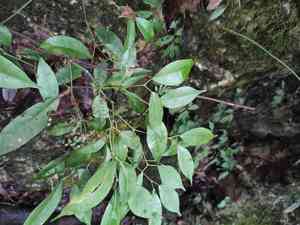
Faber's maple, a deciduous tree recognized for its vivid leaves, thrives with pruning during its inactive winter period to encourage robust development and preserve its form. The fundamental method involves excising branches that are dead, ailing, or intersecting, thereby enhancing air movement and light penetration. Exercise restraint when pruning to prevent significant sap depletion. Deliberate incisions stimulate fresh growth and elevate visual attractiveness, rendering this procedure crucial for the tree's vigor and the achievements of cultivators.
What Are the Benefits of Pruning Faber's Maple?
What Are the Benefits of Pruning Faber's Maple?
Trimming faber's maple promotes its robust development by eliminating dead or diseased limbs, thereby channeling energy to healthy sections. It also preserves faber's maple's desired form, enhancing its decorative appeal.
What Is the Best Time for Pruning Faber's Maple?
What Is the Best Time for Pruning Faber's Maple?
Pruning faber's maple from late winter to early spring enables gardeners to remove any damaged or diseased branches before new growth starts, which is crucial for the plant's health and structure. This timing also prevents sap loss, which can be more common in faber's maple during late spring when sap flows. Pruning at this time minimizes infection risk, as many pathogens are less active. Furthermore, it gives the plant ample time to heal wounds before the growing season, reducing stress and encouraging vigorous growth. Additionally, trimming before leaf buds open ensures clear visibility of the plant's structure, simplifying informed pruning decisions.
What Tools Do I Need to Prune Faber's Maple?
Bypass Pruners
Perfect for making clean cuts on live wood; essential for the selective removal of small branches and for shaping faber's maple.
Loppers
Offer leverage to cut through branches up to two inches thick, which may occasionally be needed for thicker branches of faber's maple.
Pruning Saw
For branches too thick for loppers, a pruning saw helps to cleanly cut through the wood without tearing.
Pole Pruners
Useful for reaching higher branches without a ladder, ensuring safety when pruning the upper parts of faber's maple.
How to Prune Faber's Maple
Cleaning tools
Before pruning faber's maple, sanitize pruning tools using a solution of one part bleach to nine parts water to prevent disease spread.
Inspection
Carefully examine faber's maple for dead or diseased branches that require removal. These often appear discolored, brittle, or show visible signs of fungal infection.
Cutting dead branches
Use sharp, clean pruning shears to make precise cuts when removing dead branches from faber's maple. Cut at a slight angle, about 1/4 inch above a bud or branching point to encourage healthy regrowth.
Cutting diseased branches
When trimming diseased branches from faber's maple, cut well below the affected area to ensure complete removal of all diseased tissue. Avoid tearing or damaging the bark as you cut.
Disposal
After pruning faber's maple, dispose of all removed dead or diseased branches properly by burning, if permitted, or bagging and removing them from the site to prevent disease spread.
Common Pruning Mistakes with Faber's Maple
Over-pruning
Removing too much foliage from faber's maple at once can stress the plant, potentially leading to poor growth or even death.
Improper Cuts
Making cuts too close or too far from the bud, or using dull tools, can damage faber's maple and hinder its healing process.
Tearing Bark
When removing larger limbs, the bark can tear if proper undercutting techniques are not used, exposing faber's maple to diseases and pests.
Neglecting Tools
Using dirty or rusty pruning tools can spread disease to faber's maple and affect the cutting precision necessary for healthy pruning.
Ignoring Structure
Pruning without paying attention to the natural shape and structure of faber's maple can lead to undesirable growth patterns and weaken the plant.
Unbalanced Pruning
Focusing only on one area of faber's maple and neglecting the others can lead to uneven growth and a visually unappealing appearance.
Common Pruning Tips for Faber's Maple
Sharp Tools
Use sharp, clean pruning tools to make precise cuts that will heal quickly and limit the risk of disease in faber's maple.
Selective Pruning
Focus on removing only dead, damaged, or diseased branches, as well as any that cross or rub against each other, to promote faber's maple's health and appearance.
Cutting Technique
Make cuts at a 45-degree angle about 1/4 inch above an outward-facing bud to encourage proper new growth in faber's maple.
Plant Structure
Consider the natural structure of faber's maple to maintain its overall shape and appearance, only opening up the canopy sufficiently to allow light and air penetration.
Wound Treatment
Avoid using wound paint or sealants after pruning faber's maple, as these can hinder the natural healing process and may trap moisture, leading to decay.
Balanced Approach
Prune faber's maple evenly around the entire plant to maintain balance and encourage symmetrical growth.



