How to Prune Trident maple?
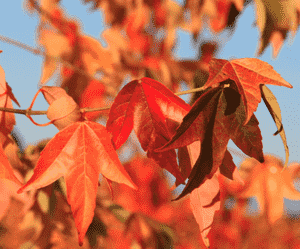
This leafy tree, recognized for its three-lobed foliage and vigorous development, flourishes with appropriate care. Optimal trimming for trident maple entails excising dead or ailing limbs, reducing density to boost light access and air circulation, and sculpting for visual appeal or bonsai cultivation. Most effectively performed in late winter or early spring, pruning boosts vitality and preserves well-being. Refrain from substantial cuts that might trigger abundant new shoots. Consistent, deliberate trimming leverages its moderate growth pace, cultivating a hardy, attractive structure.
What Are the Benefits of Pruning Trident Maple?
What Are the Benefits of Pruning Trident Maple?
Trident maple pruning encourages growth and maintains a compact, attractive form, crucial for its decorative purpose. Strategic trimming fosters a strong framework, enhancing vigor and aesthetic appeal.
What Is the Best Time for Pruning Trident Maple?
What Is the Best Time for Pruning Trident Maple?
Trident maple should be pruned in late winter or early spring, coinciding with its dormant phase just before active growth begins. This timing minimizes stress on the tree as sap flow is low, reducing the chance of bleeding and disease. Furthermore, the absence of leaves allows for clearer visibility of the structure, enabling more precise cuts. Pruning before spring growth also ensures quick wound healing and supports vigorous new development. Avoid fall pruning, as it can stimulate new growth that may not harden before cold weather, making the tree susceptible to damage.
What Tools Do I Need to Prune Trident Maple?
Hand pruners
Essential for making clean cuts on smaller branches and twigs of trident maple. Recommended for detailed work and precise shaping.
Loppers
Suitable for cutting medium-sized branches of trident maple that are too thick for hand pruners but still require accurate cuts.
Pruning saw
Required for removing larger branches of trident maple when hand pruners and loppers are insufficient. A saw with fine teeth will provide smoother cuts to minimize harm.
Pole pruner
Useful for reaching higher branches of trident maple without needing a ladder, enhancing safety during the pruning process.
Shears
Ideal for shaping trident maple by trimming small branches and foliage to maintain the desired form and promote healthy growth.
Wound sealant
Though its use is sometimes debated, it can be applied after cutting large limbs of trident maple to protect the exposed wood from pests and diseases.
How to Prune Trident Maple
Clean Tools
Before pruning trident maple, sanitize pruning tools to prevent disease spread. Use a solution of one part bleach to nine parts water or rubbing alcohol to clean the blades.
Identify Parts
Examine trident maple closely to identify dead or diseased branches. Look for branches showing signs of decay, discoloration, or damage.
Prune Dead Branches
Using sharpened and sterilized pruning shears, carefully remove dead branches. Cut at a 45-degree angle, about a quarter inch above a live bud or the branch collar without harming the collar.
Prune Diseased Branches
Isolate and trim away diseased branches from trident maple. Ensure cuts extend into healthy tissue to remove all affected parts.
Disinfect After
After cutting away dead or diseased branches from trident maple, re-sterilize the tools to prevent any potential transfer of disease to other plants or areas of trident maple.
Common Pruning Mistakes with Trident Maple
Over-Pruning
Removing too much foliage at once can stress trident maple, hindering growth and weakening the tree's overall health.
Improper Cuts
Making jagged or tearing cuts can introduce pathogens and impede the tree's ability to heal properly.
Neglecting Tool Hygiene
Using dirty pruning tools can spread diseases between plants and can infect the pruning wounds of trident maple.
Ignoring Natural Shape
Disregarding trident maple's naturally triangular canopy shape can lead to unattractive growth and can diminish its ornamental value.
Topping The Tree
Cutting off the top of trident maple to reduce its height is detrimental and can lead to structural weakness and decay.
Common Pruning Tips for Trident Maple
Sharp Tools
Always use sharp, clean pruning tools to make precise cuts that trident maple can heal from quickly and efficiently.
Selective Pruning
Focus on removing only dead, damaged, or crossing branches to maintain the health and structure of trident maple without excessive pruning.
Bud Direction
Prune just above a bud that faces the outside of the canopy to encourage trident maple to grow in a desirable outward direction.
Gradual Shaping
For shaping purposes, prune trident maple incrementally over several seasons to preserve its health and avoid shock.
Healing Time
Allow trident maple time to heal between pruning sessions, especially after making larger cuts, to reduce the risk of disease and stress.



