How to Prune Bear's breech?
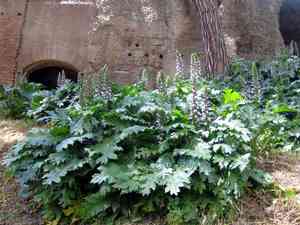
This enduring evergreen plant is recognized for its expansive, lustrous leaves and tall clusters of white or violet blossoms. For bear's breech, trim spent flower stalks and discard any impaired or ailing foliage. Trim down to the ground level to stimulate new development, usually performed in the early spring season. Performing this task prior to winter guarantees a more robust plant capable of withstanding low temperatures and infestations. Eliminating leaves also fosters new, more energetic growth, thereby improving the plant's aesthetic value.
Advantages of Trimming Bear's Breech
Advantages of Trimming Bear's Breech
Trimming bear's breech promotes more abundant flowering and stimulates vigorous development. It helps maintain a compact and appealing form, ensuring bear's breech remains an attractive feature in gardens.
Optimal Time for Trimming Bear's Breech
Optimal Time for Trimming Bear's Breech
The best times for trimming bear's breech align with its growth and dormant phases. Pruning in early spring encourages robust new growth as the plant exits dormancy. At this point, the risk of frost has generally passed, minimizing potential harm to fresh shoots. Conversely, late fall trimming is ideal after bear's breech has bloomed and its foliage has started to recede. This timing helps prepare the plant for its winter dormancy, allowing it to conserve energy. Additionally, it's beneficial for maintaining plant structure, managing size, and removing spent flowers or damaged leaves, which contributes to the overall health and visual appeal of bear's breech. These specific periods avoid stressing the plant during the hot summer months when it is actively growing and can ensure a strong resurgence in the subsequent growth cycle.
Tools Required for Trimming Bear's Breech
Hand Pruners
Perfect for cutting back faded flower stalks and removing dead leaves from bear's breech. Hand pruners enable precise cuts that do not harm surrounding foliage.
Loppers
Useful when bear's breech has matured and thicker stems require cutting. Loppers provide the necessary leverage for larger cuts without straining the gardenerâs hand.
Pruning Saws
Recommended for very thick or woody stems that hand pruners or loppers cannot manage. Pruning saws assist in making clean cuts through tough material without tearing.
Gardening Gloves
Essential for protecting hands from thorns and the sharp edges of bear's breech foliage. Gloves should be thick enough to prevent injury yet allow for a firm grip on pruning tools.
Garden Waste Bag
Important for collecting and disposing of bear's breech cuttings to keep the area tidy and prevent disease spread through debris.
How to Trim Bear's Breech
Step1: Plant Evaluation for Trimming
Evaluate the bear's breech before starting to trim. Identify dead flowers, yellow leaves, and withered branches that need removal. Inspect the plant's overall health and structure.
Step2: Pruning Shears Sanitization
Sanitize your pruning shears with a 10% bleach solution or rubbing alcohol to prevent disease transmission between plants.
Step3: Deadheading Flowers
To remove dead flowers, cut the flower stalks back to their base where they emerge from the foliage. Make clean cuts at a 45-degree angle just above a new bud or leaf to encourage future growth.
Step4: Yellow Leaf Removal
For yellow leaves, use your pruning shears or hands to gently remove them from the plant. Grip the base of the yellow leaf and pull it downwards, or if necessary, snip it off close to the base without harming healthy parts.
Step5: Withered Branch Trimming
When dealing with withered branches, identify where healthy tissue begins, and make your cut just above this point on the branch. Remove dead or withered parts without damaging healthy growth.
Step6: Pruning Debris Disposal
After trimming, clean up and dispose of all dead material, as they can harbor pests or diseases that could harm bear's breech.
Step7: Post-Trimming Care
Water the bear's breech if the soil is dry, and apply a balanced, slow-release fertilizer to support new growth after trimming.
Step8: Growth Monitoring and Refinement Trimming
Monitor bear's breech over the next few weeks to ensure healthy new growth and perform additional refinement trimming if needed.
Aftercare for Bear's Breech Following Trimming
Aftercare for Bear's Breech Following Trimming
After trimming bear's breech, immediately ensure cuts are clean to promote healing. Place bear's breech in a location with indirect light; excessive sun can stress the trimmed plant. Maintain moderate humidity and avoid extreme temperatures. Water the soil moderately to prevent root stress but avoid overwatering. Apply a balanced fertilizer to aid recovery. Regularly inspect bear's breech for wilting or discolored leaves, which indicate stress or infection. If signs appear, adjust care accordingly and consider consulting a plant health specialist.
Common Trimming Errors with Bear's Breech
Excessive Trimming Inhibits Growth
Trimming bear's breech too severely, which can hinder growth or damage the plant's natural shape and vigor.
Failure to Remove Dead or Diseased Foliage
Neglecting to remove dead or diseased foliage, which can lead to disease spread and compromise the health of bear's breech.
Using Dull or Unclean Trimming Tools
Using dull or unclean trimming tools, resulting in jagged cuts that can become entry points for pests and diseases.
Trimming Healthy Flower Stems
Trimming healthy flower stems, which can reduce the flowering potential of bear's breech in the current or subsequent season.
Incorrect Angle Trimming Causes Rot
Failing to cut at the correct angle, which can prevent water from properly draining off the cut surface and may cause rot.
General Trimming Advice for Bear's Breech
Trim After Flowering to Encourage New Growth
Trim bear's breech after flowering by cutting flower stalks back to the base to encourage new growth and maintain a neat appearance.
Remove Dead Leaves for Plant Health
Regularly remove dead or damaged leaves to promote healthier foliage and prevent the spread of potential diseases.
Use Sharp and Clean Tools for Trimming
Ensure that tools are sharp and clean before trimming bear's breech to make clean cuts that heal quickly, minimizing stress to the plant.
Light Shaping Maintains Plant Form
Lightly shape bear's breech as needed to maintain the plant's form, cutting just above a leaf node to promote new lateral growth.
Monitor and Treat Pests/Diseases Early
Monitor for any signs of pests or diseases during trimming and address issues immediately to keep bear's breech thriving.



