How to Prune Hop wattle?
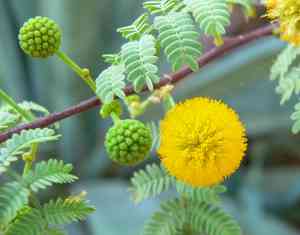
Hop wattle exhibits a dense, upright structure and bright yellow blossoms. To encourage robust development and form, trim hop wattle in early spring prior to the emergence of new shoots. Eliminate any deceased or compromised branches, and lightly shear to preserve the preferred dimensions and contour. Consistent thinning of the inner branches improves air circulation and lowers the likelihood of disease. Trimming encourages thicker foliage and more abundant flowering, boosting the plant's general vitality and visual appeal.
What Are the Benefits of Pruning Hop Wattle?
What Are the Benefits of Pruning Hop Wattle?
Hop wattle needs trimming to keep its form and encourage strong development. Pruning helps manage its size, prevents legginess, improves air flow, lowers pest and disease risk, and promotes denser, healthier foliage.
What Is the Best Time for Pruning Hop Wattle?
What Is the Best Time for Pruning Hop Wattle?
Trimming hop wattle in early spring aligns well with its growth cycle and health needs. At this time, the plant is just starting its active growth phase, allowing it to recover quickly and produce new growth after pruning. Additionally, pruning before the main flowering period helps direct the plant's energy towards robust blooms, enhancing its overall appearance and vitality. This timing also reduces the risk of diseases and pests entering through fresh cuts, as early spring conditions are less favorable for such issues.
What Tools Do I Need to Prune Hop Wattle?
Bypass Pruners
Perfect for making clean cuts on living, green wood due to their scissor-like action. Ideal for managing smaller branches and stems of hop wattle.
Loppers
Useful for thicker branches (up to 2 inches in diameter). They offer greater leverage and are essential for reaching higher or denser areas of hop wattle.
Pruning Saw
Required for cutting through larger, older branches that cannot be handled with pruners or loppers. Ensures clean cuts that encourage healthy regrowth.
Hand Shears
Good for finer shaping and detailed trimming of smaller branches and new growth. Provides precision without harming the plantâs overall structure.
Long-Reach Pruners
Helpful for accessing taller branches without needing ladders. Offers safety and convenience for trimming upper growths of hop wattle.
How to Prune Hop Wattle
Inspection
Carefully examine hop wattle for diseased leaves, withered leaves, dead branches, and diseased branches. Use clean, sharp pruning shears.
Diseased leaves
Remove any diseased leaves by cutting them back to the plant's base or to a healthy segment to prevent pathogen spread.
With the leaves
Trim withered leaves back to healthy foliage or a main branch to encourage new and healthy growth.
Dead branches
Cut dead branches at their base or back to a main stem. Make clean cuts just above a healthy node for a neat finish.
Diseased branches
Remove any diseased branches entirely or cut them back to healthy wood. Disinfect your pruning tools after each cut to avoid contamination.
Common Pruning Mistakes with Hop Wattle
Improper cuts
Using dull tools, making jagged cuts, or cutting too close to the main stem can cause damage and make the plant vulnerable to disease.
Over-pruning
Removing too much foliage can stress hop wattle, leading to poor health and reduced flowering.
Wrong pruning angle
Cutting branches at a perpendicular angle instead of at a slight angle can lead to water retention on the cut surface, which promotes rot.
Ignoring dead or diseased wood
Failing to remove dead, dying, or diseased branches can allow problems to spread to healthy parts of the plant.
Incorrect tool sterilization
Not cleaning tools between cuts or plants can lead to the spread of diseases.
Common Pruning Tips for Hop Wattle
Use sharp, clean tools
Ensure your pruning tools are sharp and properly sterilized to make clean cuts and prevent disease transfer.
Prune selectively
Focus on removing dead, damaged, or diseased wood first. Trim excess growth that affects the shape and balance of hop wattle.
Cut at the right angles
Make cuts at a 45-degree angle away from the bud to ensure water runs off and doesn't settle on the cut surface.
Retain shape and structure
Prune in a way that maintains the natural shape and encourages a strong structure. This helps hop wattle withstand wind and weather better.
Thin out crowded branches
Remove some internal branches if they are overcrowded to improve air circulation and light penetration, promoting healthier growth.
Observe and adjust
Regularly observe the plant's response to pruning and adjust techniques as needed to suit hop wattle's specific requirements and growth pattern.



