How to Prune Golden wattle?
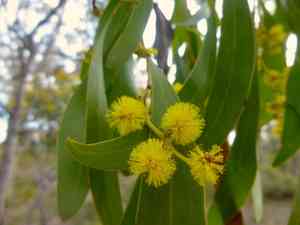
An Australian indigenous shrub or small tree with yellow blossoms, golden wattle flourishes across diverse soil types and weather conditions. To ensure vigorous health and form, trim it following its blooming period to stimulate compact development. The ideal period for removing spent flowers and any branches that cross or are unproductive is during winter. This seasonal trimming encourages a burst of new growth in spring. Important points include disinfecting implements to avert the transmission of pathogens and donning gloves to prevent contact with thorns, thus making upkeep a matter of both safety and proper gardening practice.
What Are the Advantages of Trimming Golden Wattle?
What Are the Advantages of Trimming Golden Wattle?
Trimming golden wattle promotes robust development and assists in preserving its desired form. Strategic cuts stimulate new growth and prevent uncontrolled spreading.
When Is the Optimal Time for Trimming Golden Wattle?
When Is the Optimal Time for Trimming Golden Wattle?
Trimming golden wattle from late winter to early spring is considered ideal as the plant is dormant, reducing stress and minimizing sap loss. This timing avoids disrupting the blooming cycle, as golden wattle flowers in late winter to spring. Pruning after flowering allows gardeners to shape the plant without sacrificing the floral display. It also encourages vigorous growth and maintains plant health by removing dead or damaged branches.
What Equipment Is Needed to Trim Golden Wattle?
Hand Pruners
Perfect for making precise cuts on smaller branches of golden wattle, ensuring minimal harm to the plant's tissues.
Loppers
Suitable for reaching higher branches and cutting through thicker stems that hand pruners cannot manage, essential for shaping the canopy of golden wattle.
Pruning Saw
Appropriate for removing mature or large branches too thick for loppers, aiding in maintaining the health and structure of golden wattle.
How to Trim Golden Wattle
Sanitation
Wearing gloves and using sterilized pruning tools, carefully inspect golden wattle for any dead or diseased branches, identifiable by their dry, brittle texture or discoloration and signs of infection.
Clean Cut
Cut the identified dead and diseased branches at their base, close to the main stem or trunk of golden wattle, ensuring cuts are clean and angled to promote water runoff and prevent decay.
Disposal
Remove the trimmed branches from the area to prevent the spread of any potential diseases and dispose of them properly by burning or bagging them for waste removal.
Wound Inspection
Examine the cuts on golden wattle for any jagged edges or debris, smoothing any rough areas with pruning shears to promote good healing and prevent pest intrusion.
Tool Cleanup
Clean and sterilize pruning tools after use to prevent disease spread to other plants and ensure they are ready for the next pruning session.
Common Trimming Errors with Golden Wattle
Over-Pruning
Removing too much foliage from golden wattle can negatively impact the plant's health and vigor. It's crucial to prune sparingly and only when necessary to avoid weakening the plant.
Improper Cuts
Golden wattle may suffer from poorly executed cuts, which can lead to disease and pest infestation. Cuts should be clean and made at the correct location to ensure rapid healing.
Neglecting Tool Hygiene
Using dirty pruning tools can introduce diseases to golden wattle. It's vital to clean and disinfect tools before and after use to maintain plant health.
Ignoring Plant Shape
Randomly cutting golden wattle without considering its natural growth pattern can result in an unnatural appearance and uneven growth. Pruning should enhance the plant's form, not detract from it.
Cutting Too Close
Cuts made too close to the main stem or remaining branches of golden wattle can remove essential growth nodes and damage the plant. Leaving a small stub is recommended for healthier regrowth.
General Trimming Advice for Golden Wattle
Selective Thinning
For golden wattle, remove only branches that are dead, diseased, or crossing others. This will improve air circulation and light penetration, vital for the plant's health and blooming.
Post-Flowering Trimming
Trimming golden wattle after its flowering season helps shape the plant and encourages new growth. This also prevents the plant from becoming leggy and promotes denser, more attractive foliage.
Use Of Proper Tools
Ensure you use sharp, clean pruning shears or loppers for golden wattle. Clean cuts heal faster and reduce the risk of disease.
Follow Natural Shape
Trim golden wattle by adhering to its natural form. Aim to preserve the plant's appearance and structural integrity while removing unwanted branches.
Protect Plant Health
When trimming golden wattle, make cuts at a 45-degree angle about 1/4 inch above a bud facing the outside of the plant. This angle encourages water runoff and reduces the chance of disease.



