How to Prune Gold-dust acacia?
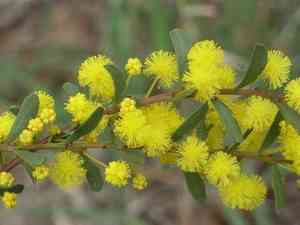
Acacia baileyana, recognized for its vivid yellow blossoms, thrives with early spring trimming. Essential methods involve excising deceased or compromised limbs and gently contouring to preserve its structure. This practice stimulates denser foliage and amplifies floral production. Always employ sanitized, keen implements and refrain from severe cutting, which could distress the specimen. Consistent upkeep aids in averting ailments and fosters general well-being, guaranteeing a spectacular floral exhibition.
What Are the Benefits of Pruning Gold-dust Acacia?
What Are the Benefits of Pruning Gold-dust Acacia?
Trimming gold-dust acacia promotes robust development and helps preserve its appealing form. It boosts blooming by eliminating spent flowers and improves air circulation, lowering the risk of pests and illnesses. Proper trimming also manages its size, ensuring a tidy appearance.
What Is the Best Time for Pruning Gold-dust Acacia?
What Is the Best Time for Pruning Gold-dust Acacia?
Trimming gold-dust acacia in early spring capitalizes on the plant's dormant phase just before new growth emerges. This timing supports healthy development by reducing stress on gold-dust acacia, allowing it to recover and grow vigorously as the season progresses. Additionally, early spring trimming helps to shape and control gold-dust acacia's size and form without interfering with its flowering period, which typically follows shortly after the new growth phase.
What Tools Do I Need to Prune Gold-dust Acacia?
Hand Pruners
Crucial for making neat, accurate cuts on smaller branches and stems. Perfect for maintaining the shape and health of gold-dust acacia.
Loppers
Useful for cutting through thicker branches that are too large for hand pruners. Provides extended reach and leverage.
Pruning Saw
Essential for handling the largest branches that loppers cannot manage. Ensures a clean cut without harming the plant.
Pole Pruner
Helpful for reaching higher branches without needing a ladder, reducing injury risk while maintaining the plant's structure.
Bypass Pruners
Preferred over anvil pruners for live wood as they offer a cleaner cut, minimizing disease risk and promoting faster healing.
How to Prune Gold-dust Acacia
Identify
Examine gold-dust acacia to locate and identify diseased leaves, withered leaves, dead branches, and diseased branches that require removal.
Prepare
Sanitize pruning tools with rubbing alcohol or a 10% bleach solution to prevent disease spread.
Diseased leaves
Remove any diseased leaves by cutting them close to the stem without harming healthy tissue.
Withered leaves
Trim withered leaves by snipping them at their base to ensure better airflow and encourage healthy growth.
Dead diseased branches
Cut dead and diseased branches back to a healthy lateral branch or the main trunk, making clean cuts at a slight angle just beyond the branch collar.
Common Pruning Mistakes with Gold-dust Acacia
Incorrect technique
Using improper tools or making jagged cuts which can lead to damage and disease.
Over-pruning
Removing too much foliage which can stress the plant and inhibit growth.
Pruning at the wrong points
Cutting in the wrong places, such as below a node or leaving stubs, which can lead to poor regrowth and unbalanced shape.
Common Pruning Tips for Gold-dust Acacia
Use sharp tools
Always use sharp, clean pruning shears to make clean cuts and minimize damage to the plant.
Follow the natural shape
This species has a naturally compact and bushy growth habit. Prune to maintain this shape, making cuts just above a node or a branch fork to encourage healthy regrowth.
Moderate pruning
Remove about 10-20% of the plant's foliage to prevent stress. Focus on cutting back any dead, diseased, or crossing branches first to improve air circulation and overall plant health.
Make precise cuts
Cut at a 45-degree angle about 6 mm above buds facing outwards. This encourages outward growth, which helps maintain an open and aesthetically pleasing form.



