How to Prune Noble fir?
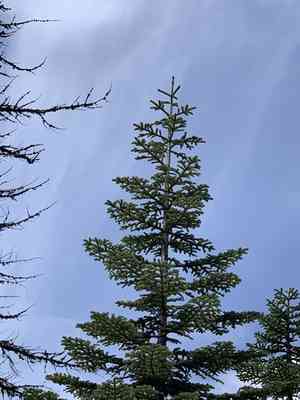
Celebrated for its impressive size and thick greenery, Abies procera flourishes with infrequent trimming, primarily for shaping or eliminating deceased wood. The ideal period for pruning is in winter, while the tree is inactive. This procedure should preserve its conical shape, ensuring incisions are precise and made directly above a bud or lateral branch. Trimming can boost vitality and sustain the plant's well-being. Excessive pruning ought to be prevented as it may induce strain. Judicious removal of lower limbs can also improve passage beneath the tree.
Advantages of Trimming Noble Fir
Advantages of Trimming Noble Fir
Trimming noble fir promotes robust development and preserves its balanced conical form. Strategic branch removal improves overall plant health and visual appeal, crucial for decorative display or Christmas tree cultivation.
Optimal Period for Trimming Noble Fir
Optimal Period for Trimming Noble Fir
Trimming noble fir in late winter, just before spring growth begins, is ideal as the plant is still dormant, minimizing stress and disease risk. This timing also allows for clear visibility of the structure without leaves and encourages healthy new growth in spring.
Required Tools for Trimming Noble Fir
Hand Pruners
Perfect for cutting small branches and twigs up to 3/4 inches in diameter, enabling precise cuts without harming noble fir's delicate bark.
Loppers
Best for branches between 3/4 inches and 1 1/2 inches thick. Their long handles provide extended reach and leverage for thicker noble fir branches.
Pruning Saw
Essential for larger branches exceeding 1 1/2 inches in thickness, where hand pruners and loppers are inadequate. A pruning saw ensures clean cuts and is vital for proper noble fir maintenance.
Pole Pruner
Useful for accessing higher branches without a ladder, enhancing safety during noble fir trimming.
Shears (Optional)
While typically used for hedge shaping, shears can be employed for light trimming of noble fir's foliage to maintain a desired aesthetic.
How to Trim Noble Fir
Sanitation
Sterilize all trimming tools beforehand to prevent disease transmission to noble fir.
Identification
Visually inspect noble fir to locate dead or diseased branches.
Cutting
Using sharp trimming shears, make clean cuts on dead branches, ensuring cuts are at the branch collar without harming healthy tissue.
Diseased Branches
Remove any diseased branches by cutting at least several inches into healthy wood to ensure complete elimination of affected parts.
Cleanup
Clear all removed material from around noble fir and dispose of it properly to prevent disease spread or pest attraction.
Common Trimming Errors with Noble Fir
Over Pruning
Removing too much of noble fir's foliage can stress the plant, leading to stunted growth or reduced vigor.
Improper Cut Location
Cutting too far from a bud or branch can leave a stub that may attract pests and diseases, while cutting too close can damage the bud.
Using Dull Tools
Dull trimming tools can create jagged cuts, making noble fir more susceptible to disease.
Trimming Healthy Growth
Unnecessarily removing healthy branches can diminish the plant's overall health and aesthetic appeal.
Flush Cutting
Making flush cuts against the trunk can damage noble fir's protective bark and increase disease risk.
General Trimming Advice for Noble Fir
Use Sharp Tools
Ensure trimming tools are clean and sharp to make clean cuts that noble fir can quickly recover from.
Consider Growth Pattern
Understand noble fir's natural shape and growth habit to guide which branches to trim for maintaining a symmetrical appearance.
Identify Diseased Branches
Regularly check for and remove any diseased, dead, or damaged branches to promote noble fir's health.
Trim For Airflow
Thin out crowded branches to improve light penetration and air circulation, which can help prevent disease in noble fir.
Angle Cuts
Trimming cuts should be angled away from the bud to prevent water from collecting on the cut surface, which could lead to rot.



