How to Prune Caucasian fir?
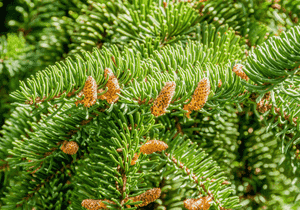
A majestic evergreen, caucasian fir needs little trimming, primarily for eliminating deceased or injured limbs, which fosters robust development. The ideal period for pruning caucasian fir is in winter while the tree is inactive. Judicious removal of recent growth can preserve its preferred contour and dimensions. Trimming also permits greater light penetration to the tree's lower sections, encouraging a denser structure. Gardeners must sanitize implements to avert pathogen transmission and refrain from over-pruning to sustain the tree's vitality.
What Are the Benefits of Pruning Caucasian Fir?
What Are the Benefits of Pruning Caucasian Fir?
Trimming caucasian fir promotes robust development and preserves its attractive shape. Strategic removal of congested branches allows light and air into the canopy, fostering vigorous growth, while shaping the tree to its desired look.
What Is the Best Time for Pruning Caucasian Fir?
What Is the Best Time for Pruning Caucasian Fir?
Trimming caucasian fir from late winter to early spring is beneficial because the tree is still dormant, which lessens stress and sap loss that could attract pests. This timing enables gardeners to shape the plant without foliage obstruction and ensures rapid wound healing once the growth cycle resumes, encouraging healthier development and preventing disease.
What Tools Do I Need to Prune Caucasian Fir?
Bypass Pruners
Perfect for making clean cuts on smaller branches of young caucasian fir, ensuring proper healing without harming the tree.
Loppers
Suitable for cutting slightly larger branches of caucasian fir, offering increased leverage and producing clean cuts with minimal effort.
Pruning Saw
Essential for removing bigger, thicker branches that bypass pruners and loppers cannot manage, especially as caucasian fir matures and its branches thicken.
Pole Pruner
Allows for trimming higher branches without needing to climb or use ladders, providing safety and convenience during caucasian fir maintenance.
Hedge Shears
Can be utilized for shaping the outer foliage of caucasian fir into formal hedges or specific forms; however, this is generally not advised unless maintaining a very formal garden.
How to Prune Caucasian Fir
Clean tools
Before trimming, clean and sanitize all pruning implements. This prevents disease transmission and ensures precise cuts that caucasian fir can recover from effectively.
Identify branches
Carefully inspect caucasian fir and pinpoint dead or diseased branches. These branches typically lack leaves, may have discolored bark, and feel brittle.
Pruning cuts
Make cuts at the base of dead or diseased branches, just above the branch collar. Avoid cutting the branch collar itself to allow caucasian fir to heal correctly.
Remove debris
Carefully clear pruned branches from around caucasian fir to prevent potential disease spread and deter pests from nesting.
Post pruning care
After trimming, observe caucasian fir for signs of stress or illness. Ensure it receives adequate water and is not exposed to stressors like drought or excessive fertilization to maintain its health and vigor.
Common Pruning Mistakes with Caucasian Fir
Over-pruning
Removing too much foliage at once can stress caucasian fir, leading to stunted growth or dieback. It's crucial to prune sparingly, as caucasian fir has a limited capacity to regenerate new shoots from old wood.
Improper cut location
Cutting too close to the trunk or leaving a large stub can attract pests and diseases. Make cuts just above a bud or branch collar without damaging it to encourage healthy healing.
Shearing for shape
Using shears to create a formal shape disrupts the natural conical habit of caucasian fir and can result in a dense outer layer that restricts light and air circulation to the plant's interior.
Pruning Living Central Leader
Cutting off the central leader (main upright stem) of caucasian fir can ruin its natural form and structural integrity, making it more vulnerable to damage.
Neglecting Sanitation
Failing to remove dead or damaged branches can lead to disease and pest issues. Proper sanitation practices are essential for maintaining a healthy caucasian fir
Common Pruning Tips for Caucasian Fir
Selective Thinning
To enhance air circulation and light penetration, selectively remove crowded branches, focusing on dead or weakened growth. Ensure cuts are made where the branch joins another or the trunk.
Maintaining Natural Shape
For caucasian fir, the objective is to preserve its natural pyramidal form. Prune sparingly and only to reinforce this shape or to remove errant branches that detract from its symmetry.
Correct Tool Use
Utilize sharp, clean pruning tools appropriate for the size of the branches being cut. Hand pruners are suitable for small branches, while larger ones may require loppers or a saw.
Protective Cuts
When removing larger branches, make an undercut first before cutting from the top to prevent bark peeling and trunk damage.
Wound Care
After pruning large branches, applying wound paint or sealants is often unnecessary, as caucasian fir can heal naturally if pruned correctly. However, ensuring clean cuts will aid the process.



