How to Prune Fraser's fir?
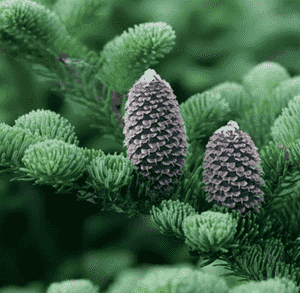
Originating from the Eastern United States, fraser's fir is celebrated for its pyramidal form and persistent green leaves, making it a favored holiday tree. Trimming ought to be kept to a minimum, primarily addressing the removal of lifeless or ailing limbs to sustain its well-being and robustness. The most suitable time for pruning is during its winter resting phase to prevent the oozing of sap, which could draw insects. Deliberate cuts also stimulate more compact development. Pruning not only sculpts the tree but can also avert prospective structural problems down the line.
What Are the Benefits of Pruning Fraser's Fir?
What Are the Benefits of Pruning Fraser's Fir?
Trimming fraser's fir promotes robust development and preserves its desired form. Strategic trimming encourages denser foliage, ensuring a strong and visually pleasing structure, vital for decorative or garden use.
What Is the Best Time for Pruning Fraser's Fir?
What Is the Best Time for Pruning Fraser's Fir?
Trimming fraser's fir in late winter, just before spring growth begins, is advantageous as the tree remains dormant. This timing reduces the risk of pest and disease issues, as insects and pathogens are less active in cold weather. Furthermore, the absence of leaves makes the structure of fraser's fir more visible, allowing for more precise and effective pruning. Avoiding cuts in autumn prevents fraser's fir from developing new growth that could be harmed by winter cold. Pruning in late winter aligns with the plant's natural growth cycle, preparing fraser's fir for a strong burst of growth in spring.
What Tools Do I Need to Prune Fraser's Fir?
Hand pruners
Perfect for trimming small branches and shaping fraser's fir, ensuring clean cuts without harming the plant.
Loppers
Offer the additional leverage needed for cutting thicker branches that hand pruners cannot manage, making them suitable for occasional larger growths in fraser's fir.
Pruning saw
Crucial for removing any dead or diseased limbs larger than what loppers can handle, enabling precision without damaging surrounding branches of fraser's fir.
Shears
Useful for trimming and shaping the foliage of fraser's fir, especially when creating a hedge or maintaining a specific form.
Pole pruner
Allows for safe pruning of higher branches without ladders, ensuring that inaccessible parts of fraser's fir can be properly managed from the ground.
How to Prune Fraser's Fir
Clean Tools
Before beginning, sanitize pruning tools with a solution of 1 part bleach to 9 parts water to prevent disease spread to fraser's fir.
Identify Branches
Examine fraser's fir for dead or diseased branches, identifiable by discoloration, dried bark, or fungal presence.
Cut Angle
Use sharp, clean pruning shears to cut dead or diseased branches at a 45-degree angle, just above a live bud, branch, or lateral branch to encourage healthy regrowth.
Smooth Cuts
Ensure cuts are smooth and close to the trunk without leaving stubs, to help fraser's fir heal effectively and prevent further disease.
Dispose
Remove cut branches away from healthy plants to reduce the chance of disease transfer to fraser's fir or other nearby plants.
Common Pruning Mistakes with Fraser's Fir
Overpruning
Removing too much foliage from fraser's fir can weaken the plant, impede growth, and diminish its natural conical shape. Fraser's fir typically requires minimal pruning, and excessive cutting can cause irreversible damage.
Improper Cut Location
Cutting too close to the trunk or too far from it can harm fraser's fir. The former can hinder the tree's natural healing process, while the latter can leave unsightly stubs and potentially encourage disease.
Flush Cutting
Making flush cuts against the trunk can remove the branch collar, a tissue area vital for proper healing and defense against pathogens.
Tipping
Cutting only the tips of branches can result in a bushy appearance and stimulate multiple weaker shoots to grow from the cut point, which is not ideal for the strong, singular growth characteristic of fraser's fir.
Pruning Healthy Growth
Pruning new or healthy growth without reason can limit the aesthetic and health of fraser's fir. Only diseased, damaged, or dead material should typically be removed.
Common Pruning Tips for Fraser's Fir
Sanitize Tools
Clean and disinfect pruning tools before and after use to prevent the spread of disease to or from fraser's fir.
Correct Cut Angle
Cut branches at a slight angle, just beyond the branch collar without cutting the collar itself, to encourage proper healing and water runoff.
Selective Pruning
Focus on removing only dead, diseased, or damaged branches to maintain the health and structural integrity of fraser's fir, avoiding unnecessary cuts.
Maintain Natural Shape
Prune with the aim of maintaining fraser's fir's natural pyramid shape, which promotes both aesthetic value and healthy growth patterns.
Monitor Growth
Regularly assess fraser's fir's growth and branch structure to identify any potential issues early and address them with focused pruning, which can prevent more serious problems in the future.



