How to Prune White fir?
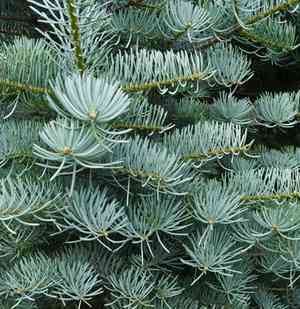
Celebrated for its dusty blue-green needles and pyramidal form, the white fir thrives with judicious trimming to preserve its structure and well-being. Remove any lifeless or compromised limbs, making cuts to a vigorous bud or branch. The most suitable time for pruning is during the winter season when the tree is inactive. Performing this task then lessens sap leakage and alleviates strain, fostering strong development. Reducing crowded foliage can additionally enhance air movement and light exposure, which are crucial for the tree's vigor.
What Are the Benefits of Pruning White Fir?
What Are the Benefits of Pruning White Fir?
Trimming white fir promotes robust development and helps preserve its desired form. Strategic cuts can stimulate new, healthy limbs, enhancing the plant's framework and overall vitality.
What Is the Best Time for Pruning White Fir?
What Is the Best Time for Pruning White Fir?
Winter is considered ideal for pruning white fir because it is inactive during this period. Pruning at this time minimizes stress on the plant, reducing the risk of disease and pest infestation that can occur through fresh pruning wounds. Additionally, without foliage, the structure of white fir is more visible, allowing for more precise cuts and shaping. Furthermore, avoiding the sap-rising period in early spring helps to prevent excessive sap loss, which can weaken white fir. The timing also aligns with the plant's natural growth cycle, promoting vigorous growth when spring arrives. Pruning during the winter ensures that any cuts have time to heal before the onset of warmer weather, which can bring an increased chance of infections. By pruning in winter, gardeners can help maintain the health and aesthetics of white fir without disrupting its flowering or fruiting since white fir does not produce significant floral or fruiting structures that require consideration.
What Tools Do I Need to Prune White Fir?
Hand Pruners
Suitable for trimming small branches on white fir, allowing for precise cuts without causing undue stress to the plant.
Lopping Shears
Designed for cutting thicker branches that hand pruners cannot handle, ensuring a clean cut for the health of white fir.
Pruning Saw
Ideal for removing larger branches from white fir, providing the necessary blade length and toughness for efficient cutting.
Pole Pruner
Allows for the safe pruning of higher branches on white fir without the need for a ladder, enhancing the gardener's safety.
How to Prune White Fir
Step1: Assessing Plant for Trimming Needs
Evaluate white fir before pruning to determine which parts require trimming. Look for dead wood, diseased limbs, and weak branches, which can be detrimental to the plant's health.
Step2: Tool Sterilization
Sterilize your pruning tools with an alcohol solution or bleach to prevent the spread of disease.
Step3: Removing Dead Wood
Begin by removing any dead wood. Cut the dead branches just outside the live tissue, where the branch breaks away from a healthy stem or trunk. Use sharp, clean tools to make a smooth cut without tearing the bark.
Step5: Thinning Weak Branches
Thin out weak branches, especially those that show signs of damage or that cross and rub against other branches. This improves air circulation and light penetration, which is beneficial for white fir's overall health.
Step6: Pruning with Care
Exercise care not to over-prune white fir. As a general rule, do not remove more than one-quarter of the living crown of white fir at any one time.
Step7: Directing New Growth
When shortening a branch, prune just above a lateral bud or branch. Select a bud that is facing the direction where you want the new branch to grow, ensuring a natural-looking shape for white fir.
Step8: Angle Cuts for Water Runoff
Make all cuts clean and at a slight angle, away from the bud or branch, which allows water to run off and reduces the risk of disease.
Step9: Disposal of Pruned Branches
After completing the pruning, dispose of the removed branches properly, especially if they were diseased. Do not compost diseased material.
Step10: Post-Pruning Plant Care
Following pruning, care for white fir by watering it appropriately and monitoring for any signs of stress or disease. This will help the plant recover and maintain its health.
Post-Pruning Care for White Fir
Post-Pruning Care for White Fir
After pruning white fir, immediately ensure clean cuts to aid healing. Maintain optimal conditions: partial shade, moderate humidity, and cool temperatures. Apply a balanced, slow-release fertilizer to replenish nutrients. Water white fir adequately to prevent drought stress. Regularly inspect for stress symptoms such as discoloration or wilt and for infection signs like sap oozing. If issues arise, apply appropriate fungicides or pest controls and adjust care as necessary to promote healthy recovery.
Common Pruning Mistakes with White Fir
Avoid Excessive Pruning
Over-pruning is a common error that can lead to stress and weakening of white fir. It's essential to prune no more than 10-15% of the foliage in a single session.
Do Not Cut Close to Parent Branch
Cutting too close to the trunk or parent branch can damage the collar, leading to improper healing and potential disease entry. Leave a small stub to allow for natural healing.
Use Sharp and Clean Tools
Use of dull or dirty pruning tools can cause ragged cuts that harm white fir. Ensure tools are sharp and clean to make smooth, clean cuts.
Develop a Pruning Plan
Pruning without a plan can result in an unbalanced shape or removal of branches that could compromise the structural integrity of white fir.
Remove Only 3D's: Dead, Diseased, Damaged
Failing to identify and remove only dead, diseased, or damaged branches can lead to the unnecessary removal of healthy growth.
Common Pruning Tips for White Fir
Prioritize 3D's: Dead, Diseased, Damaged
When pruning white fir, always aim to remove the three D's: dead, diseased, and damaged branches. This helps maintain the health and aesthetics of the plant.
Angle Cuts Away from Buds
Make pruning cuts at a slight angle, away from the bud, to prevent water from collecting on the cut surface and to encourage healing.
Choose Appropriate Tools for Size
Use the right tools for the job, such as pruning shears for small branches and a saw for larger limbs. This ensures clean cuts and reduces damage to white fir.
Smooth Edges After Big Cuts
After larger cuts, ensure to smooth the edges with a knife to promote better healing and reduce the chances of disease.
Respect Natural Branch Contour and Foliage Density
To maintain the natural shape of white fir, follow the branch's natural contour when cutting, and avoid over-thinning the foliage as this can decrease the plant's vigor.



