How to Prune Musk okra?
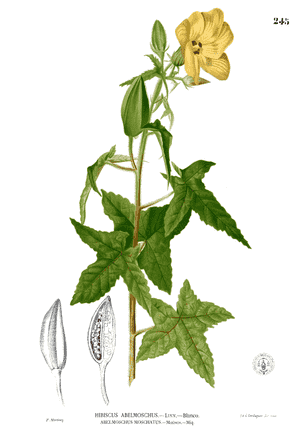
Musk okra flourishes in temperate environments, benefiting from trimming to encourage denser foliage and more abundant blossoms. For peak performance, trim musk okra during late winter or early spring, prior to the emergence of new development. Shorten elongated stalks and eliminate deceased or frail growth to preserve the plant's form and well-being. Consistent trimming encourages fresh sprouts, boosting flowering and reducing the likelihood of illness. This variety responds favorably to pruning, yielding a more robust, vivid plant with appropriate attention.
Advantages of Trimming Musk Okra
Advantages of Trimming Musk Okra
Trimming musk okra promotes robust development and helps maintain its desired form. Consistent pruning fosters a strong structure, leading to healthier plants that yield more abundantly.
Optimal Time for Pruning Musk Okra
Optimal Time for Pruning Musk Okra
Pruning musk okra in late winter or early spring is ideal as this period aligns with the plant's dormant phase, just before the start of the growing season. This timing allows musk okra to recover from cuts without diverting energy from new growth or blooms. Pruning during this time reduces disease and stress on the plant, as colder weather limits the activity of many pathogens and pests. Additionally, with minimal or no foliage, it's easier to see and access the plant's structure, leading to more precise and effective pruning. Trimming musk okra in these seasons supports vigorous growth and enhances flower and fruit production in the subsequent growing period.
Tools Required for Pruning Musk Okra
Bypass Pruners
Perfect for making clean cuts on the green stems of musk okra without crushing plant tissues, which can lead to disease.
Long-Handled Loppers
Useful for reaching higher stems on the plant and providing the leverage needed for thicker branches.
Pruning Saw
Recommended for cutting through woody stems that are too thick for pruners or loppers.
How to Prune Musk Okra
Sanitize tools
Before pruning musk okra, disinfect pruning tools using a solution of 1 part bleach to 9 parts water to prevent the spread of disease.
Remove diseased leaves
Identify and carefully remove any diseased leaves from musk okra using sharp, sterilized scissors, ensuring a clean cut to prevent damage to the remaining healthy parts.
Prune withered leaves
Cut away withered leaves from musk okra at the base where they attach to the main stem to encourage healthy growth and improve air circulation.
Trim dead branches
Use sharp shears to cut dead branches from musk okra down to the base of the plant or back to the healthy wood, making the cut just above a leaf node or bud.
Cut back diseased branches
Prune diseased branches on musk okra by cutting them back to healthy tissue, making sure to cut at least a few inches below the diseased parts to ensure removal of all affected areas.
Common Pruning Errors with Musk Okra
Excessive pruning
Removing too much foliage from musk okra can weaken the plant, impede its growth, and reduce flowering potential. Novice gardeners often make this mistake, believing that more pruning will stimulate better growth.
Incorrect cuts
Making jagged or torn cuts can introduce pathogens and pests, potentially causing diseases in musk okra. Using dull tools can result in such damage.
Neglecting deadheading
Failure to remove spent flowers (deadheading) from musk okra is a common oversight that can prevent further blooming and direct the plant's energy towards seed production instead of new growth.
Pruning active growth
Cutting back musk okra's actively growing shoots can disrupt its growth cycle, potentially impacting the plant's overall health and bloom production.
Ignoring diseased material
Not properly disposing of diseased clippings can spread infections back to musk okra or to other plants. Always discard diseased material properly.
General Pruning Advice for Musk Okra
Clean cut technique
Use sharp, sterilized pruning shears for clean cuts that will heal quickly, minimizing the risk of disease entering musk okra.
Selective pruning
Remove only the necessary parts of musk okra, such as dead or diseased wood and overcrowded branches, to maintain airflow and sunlight exposure, which are essential for healthy growth.
Deadheading
Regularly deadhead spent blooms to encourage musk okra to produce new flowers, redirecting the plant's energy away from seed formation.
Shaping and size control
Prune musk okra for shape and size control, but be mindful not to remove more than one-third of the plant's total mass at any one time to avoid stressing the plant.
Post bloom pruning
Prune musk okra immediately after blooms fade to prepare it for the next flowering cycle, focusing on the removal of old flowers and any thin, weak growth to invigorate the plant.



