How to Propagate Zinnia peruviana?
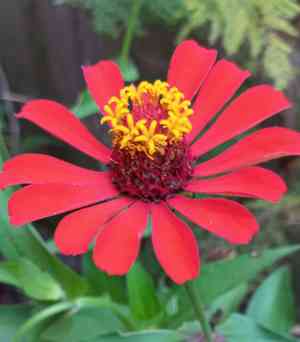
A captivating wild bloom, peruvian zinnia provides a vibrant display in any horticultural setting. To multiply peruvian zinnia, planting seeds directly into a soil blend that drains effectively guarantees prime development. For successful sprouting, scatter the small seeds uniformly and lightly press them into the earth without fully burying them, as they need illumination to germinate. Keep the soil consistently damp during the initial phases, preventing excessive saturation. Young plants will appear, prepared to flourish in sunlit areas and introduce vivid shades to landscapes.
Optimal Period for Peruvian Zinnia Propagation
Propagation Method
Seeding
Propagation Period
Spring
Tools for Peruvian Zinnia Propagation
Seed trays
Seed trays are primary implements for propagating peruvian zinnia via sowing. These containers enable gardeners to plant multiple seeds systematically, ensuring each seed has sufficient room for germination and initial growth. Their shallow compartments are ideal for easy transplanting of peruvian zinnia seedlings without disturbing the root system, which is vital for the plant's early development and health.
Potting mix
A premium potting mix supplies the essential nutrients and aeration for proper peruvian zinnia seed germination. The blend should drain well yet retain enough moisture to support root development. For peruvian zinnia, a potting mix fortified with a small amount of compost can boost initial growth by providing crucial nutrients.
Watering can with a fine rose
This tool is crucial for gently irrigating peruvian zinnia seeds and seedlings without dislodging or exposing them. The 'fine rose' attachment distributes water evenly and lightly, mimicking soft rainfall, which prevents seed erosion or burying the seed too deeply, both of which could impede germination.
Clear plastic dome or cover
Placing a transparent plastic dome or cover over seed trays creates a miniature greenhouse environment beneficial for peruvian zinnia's germination. The cover helps maintain consistent humidity and temperature, key factors in enhancing germination rates and early seedling growth for peruvian zinnia.
Labels and markers
Utilizing labels and markers aids in distinguishing different batches of peruvian zinnia when propagating various types or sowing at different times. Proper labeling prevents confusion and ensures systematic care tailored to each plant's developmental stage and requirements.
How to Propagate Peruvian Zinnia?
Propagation Type
Simple
Caring for Your Newly Propagated Peruvian Zinnia
Caring for Your Newly Propagated Peruvian Zinnia
Peruvian zinnia needs full sun and thrives in well-draining soil. After transplanting, water plants regularly to keep the soil moist until they are established. Once mature, peruvian zinnia is quite drought-tolerant. Remove spent flowers to encourage more blooms and prevent self-seeding if not desired. Fertilize with a balanced, slow-release fertilizer to promote vigorous growth and flowering.
Common Mistakes to Avoid When Propagating Peruvian Zinnia
Overwatering
Excessive water can lead to root rot and fungal diseases, resulting in poor root development and overall plant health.
Deep sowing
Planting seeds too deeply can hinder germination, as peruvian zinnia seeds require light to sprout effectively.
Neglecting soil condition
Using soil that is too compact or lacks adequate nutrients can impede root growth and plant vitality.
Ignoring space
Planting peruvian zinnia too closely together can restrict air circulation and light penetration, leading to weaker plants susceptible to pests and diseases.
Tips For Propagating Peruvian Zinnia
Shallow sowing
Sow peruvian zinnia seeds on the soil surface or with a very light covering, as they need light for successful germination.
Moisture management
Maintain consistent soil moisture without overwatering to encourage healthy root development.
Soil preparation
Use a well-draining soil mix rich in organic matter to promote vigorous growth and strong root systems for peruvian zinnia.
Adequate spacing
Ensure sufficient space between plants to provide ample air circulation and light, which are crucial for peruvian zinnia's growth.



