How to Propagate Zingiber officinale?
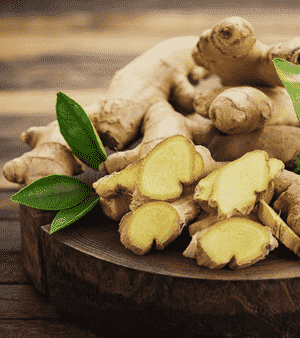
Ginger multiplies through its rhizomes, preferably in the springtime. This technique is straightforward and efficient, though it necessitates delicate handling. Successful multiplication is indicated by the emergence of new sprouts and root development. Maintain adequate moisture for the rhizomes to ensure optimal growth.
Optimal Time for Ginger Propagation
Propagation Method
Utilize The Rhizomes
Propagation Period
Spring
Tools for Ginger Propagation
Sharp Knife or Blade
A clean, keen knife or blade is crucial for dividing ginger rhizomes into sections for planting. Each segment must possess at least one bud or 'eye,' which will develop into a new plant. A sharp implement ensures a clean cut, minimizing damage and disease risk.
Disinfectant for Tools
Employing a disinfectant, such as alcohol or a bleach solution, to sanitize cutting instruments before slicing rhizomes helps prevent pathogen transmission to ginger. This step is vital for maintaining rhizome health during propagation.
Rooting Hormone
While not always mandatory, a rooting hormone can be applied to stimulate root development in the cut rhizome sections. It can boost the success rate of propagation by encouraging root formation in ginger.
Potting Mix
A well-draining potting medium is essential for the successful cultivation of ginger post-planting. The mix should be rich in organic material and free from diseases and pests. It offers a supportive and nourishing environment for new rhizomes to flourish.
Pots or Trays
Pots or trays are necessary for planting rhizome sections if initial growth occurs in containers rather than directly in the ground. They should be appropriately sized for the number of sections being planted and feature adequate drainage holes to prevent waterlogging.
Misting Bottle
A misting bottle can be used to gently moisten the soil surface, keeping it damp but not saturated. This is important for ensuring ginger rhizomes have sufficient moisture to begin rooting without becoming susceptible to rot.
Gloves
Gardening gloves protect hands when handling rhizomes and using tools like knives, and help prevent contamination of rhizome sections with any potential irritants or pathogens from the skin.
Ruler or Measuring Tape
A ruler or measuring tape ensures that rhizome sections cut for propagation are of a consistent size, promoting uniform growth. Precise measurement of rhizomes can guarantee each piece contains at least one growth bud.
How to Propagate Ginger
Propagation Method
Utilize The Rhizomes
Difficulty Level
Simple
Caring for Newly Propagated Ginger
Caring for Newly Propagated Ginger
After ginger has successfully propagated and shoots have appeared, continue to keep the soil moist and place the pot in a warm area with filtered sunlight. Fertilize every few weeks with a balanced organic fertilizer and monitor for signs of pests or diseases. Once established, ginger will require less water, but ensure the environment remains humid. As ginger matures, continue observing its growth and repot when it outgrows its container.
Common Errors to Avoid When Propagating Ginger
Overwatering
Saturating the soil can lead to root rot in ginger, as rhizomes are prone to decay if exposed to excessive moisture without proper drainage.
Planting too deeply
Setting ginger's rhizomes too far beneath the soil surface may impede sprouting because they require warmth and some direct light contact to initiate growth.
Using old or desiccated rhizomes
Selecting old or shriveled rhizomes for propagation can result in poor or no sprouting, as healthy and plump rhizomes contain more energy for growth.
Ignoring the eyes
Failing to ensure each rhizome piece contains a growth bud, or 'eye', can lead to unsuccessful propagation, as sections without these buds will not develop into new ginger plants.
Planting in poor soil
Using soil that lacks nutrients or proper structure can hinder root development and overall plant health, leading to weak or stunted growth of ginger.
Tips for Propagating Ginger
Cut rhizomes correctly
Divide rhizomes to include at least one 'eye.' This encourages the development of new ginger shoots.
Proper planting depth
Plant ginger rhizomes just beneath the soil surface, as they need to sense slight warmth from light exposure to initiate growth.
Adequate moisture
Maintain consistent moisture levels without overwatering, to strike a balance necessary for the healthy root development of ginger.
Use fresh rhizomes
Select plump, fresh rhizomes with a firm texture and a vibrant appearance for propagation to maximize the vitality and growth potential of ginger.
Prepare soil appropriately
Rich, well-draining soil enhanced with organic matter will cater to the nutritive needs of ginger and promote robust growth.



