How to Propagate Caucasian elm?
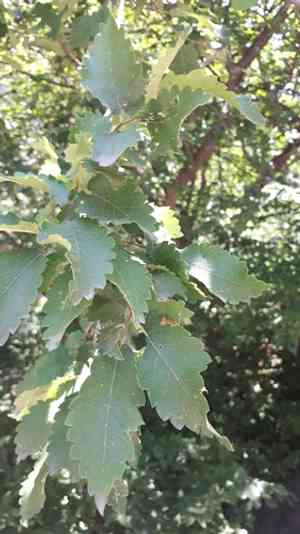
Caucasian elm flourishes when reproduced via cuttings, a technique perfectly aligned with its developmental patterns. To achieve successful propagation, choose robust, established stems. The severed portions ought to encompass multiple leaf nodes, given their vital role in root formation. It is recommended to apply a rooting stimulant to encourage root emergence prior to placing the cuttings in a porous soil blend, ensuring elevated humidity and steady dampness to foster root expansion.
Optimal Time for Caucasian Elm Propagation
Propagation Method
Cutting
Propagation Period
Autumn,Winter
Tools for Caucasian Elm Propagation
Rooting Hormones
These compounds are utilized to speed up root formation from caucasian elm cuttings. Available as gels, powders, or liquids, rooting hormones contain synthetic auxins that mimic natural plant growth regulators, boosting rooting success and the stability of new plants.
Sharp Pruning Shears
These are vital for taking clean, precise cuttings from caucasian elm. Sharp blades minimize damage to both the parent plant and the cuttings, promoting faster, healthier healing and reducing disease risk.
Sterilization Supplies (e.g., rubbing alcohol)
Used to sanitize pruning shears and other tools before propagating caucasian elm. This prevents disease transmission from contaminated tools to the cuttings, crucial for maintaining the overall health of caucasian elm.
Propagating Medium (e.g., perlite, vermiculite)
Provides a sterile, well-draining substrate for the new roots of caucasian elm cuttings to develop. The medium supports moisture retention without becoming waterlogged, which is critical for the initial stages of root growth.
Humidity Domes or Covers
Helps maintain high humidity around caucasian elm cuttings, essential for preventing moisture loss through the leaves while new roots are forming. This tool creates an ideal microenvironment for successful root initiation.
Propagating Caucasian Elm
Propagation Difficulty
Moderately Difficult
Caring for Newly Propagated Caucasian Elm
Caring for Newly Propagated Caucasian Elm
Once roots have formed, gradually introduce the plant to lower humidity by removing the cover for increasing durations over a week. Transplant to a larger container or a permanent spot with well-draining soil and partial to full sun exposure. Water caucasian elm regularly to keep the soil moist but not waterlogged, especially during dry periods. Monitor for pests and diseases, treating as needed. Prune in late winter to maintain shape and encourage healthy growth.
Common Propagation Errors for Caucasian Elm
Incorrect cutting selection
Choosing weak or diseased cuttings can impede root development, leading to poor growth or propagation failure in caucasian elm. Healthy, robust cuttings are essential for successful root establishment.
Inadequate moisture levels
Both excessive and insufficient watering of cuttings can negatively impact root development in caucasian elm. Too much moisture can cause fungal infections, while too little can lead to the cutting drying out and dying.
Improper soil medium
Using a soil mix that lacks proper drainage or the correct nutrient balance can hinder the rooting and overall health of caucasian elm. An unsuitable medium can result in root rot or poor plant vigor.
Tips for Propagating Caucasian Elm
Use semi-hardwood cuttings
Selecting semi-hardwood cuttings for caucasian elm during the appropriate growth phase ensures a higher success rate. These cuttings typically possess the right balance of maturity and growth potential for optimal rooting.
Maintain optimal humidity
Keeping the environment around caucasian elm cuttings humid is crucial to prevent moisture loss and encourage rooting. Mist the cuttings regularly or use a humidity dome to maintain the necessary environment without saturating the soil.
Prepare the soil appropriately
Using a well-draining, sterile potting mix helps prevent diseases and supports healthy root growth in caucasian elm. Incorporating perlite or vermiculite can improve drainage, aeration, and moisture retention in the rooting medium.



