How to Propagate Zanzibar gem?
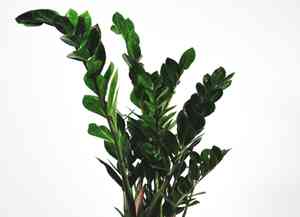
Zanzibar gem, also known as Zanzibar gem, is most effectively propagated in the spring via tuber separation, a straightforward and favored technique. The appearance of new leaves indicates successful propagation. Place the separated tubers in a growing medium that drains efficiently to encourage robust development.
Optimal Time for Zanzibar Gem Propagation
Propagation Type
Utilize The Tubers
Propagation Season
Spring
Tools for Zanzibar Gem Propagation
Sharp, sterile knife or pruners
A keen, sanitized blade or shears are crucial for cleanly detaching tubers from the parent zanzibar gem. This minimizes harm and infection risk, fostering healthier root growth. Sterilization with rubbing alcohol or flame prevents pathogen transfer during cutting.
Potting mix
A well-draining substrate suitable for zanzibar gem propagation should blend peat, perlite, and sand to ensure proper aeration and drainage. This prevents waterlogging, which can cause rot, and encourages new root formation.
Small pots or trays
Compact containers or propagation trays are necessary for planting tubers post-cutting. The size should suit the tuber, allowing growth without being overly large, which could retain excess moisture and lead to rot.
Rooting hormone (optional)
Applying a rooting stimulant to the cut end of the zanzibar gem tuber can boost root development and increase propagation success. This is especially helpful if the tuber lacks visible root nodes.
Plastic bags or clear plastic dome
Creating a miniature greenhouse effect with clear plastic bags or domes helps maintain consistent humidity levels around the zanzibar gem, aiding root development. Such humidity keeps soil moist without overwatering, vital for tuber growth.
Misting bottle
A spray bottle can be used to gently moisten the soil around newly planted zanzibar gem tubers. This provides essential moisture for growth while preventing excessive watering, which can cause rot or fungal issues.
How to Propagate Zanzibar Gem?
Propagation Type
Utilize The Tubers
Difficulty Level
Simple
Caring for Your Newly Propagated Zanzibar Gem
Caring for Your Newly Propagated Zanzibar Gem
Once the new zanzibar gem exhibits stable growth, such as fresh leaves or increased shoot size, initiate standard care routines. This involves watering when the top inch of soil is dry, providing moderate, indirect light, and maintaining temperatures between 65-75°F (18-24°C). Fertilize zanzibar gem every six months with a balanced, water-soluble feed. Avoid frequent repotting, as zanzibar gem prefers being slightly root-bound.
Common Errors to Avoid When Propagating Zanzibar Gem
Overwatering
Placing zanzibar gem cuttings in water or saturated soil heightens the risk of rot, potentially killing them before rooting.
Too much light
Exposing zanzibar gem to direct sunlight during propagation can cause scorching and dehydration, stressing cuttings and reducing their survival chances.
Using damaged sections
Attempting to propagate zanzibar gem with compromised or diseased plant parts will likely fail, as these sections are weak and prone to decay.
Impatience
Expecting rapid results with zanzibar gem can lead to premature transplanting or discarding of unrooted cuttings, given its slow growth rate.
Ignoring cleanliness
Failing to sterilize propagation tools can introduce pathogens to zanzibar gem, leading to infection and poor growth outcomes.
Tips For Propagating Zanzibar Gem
Correct cutting technique
Use a clean, sharp instrument to take a cutting from a healthy zanzibar gem stem, ensuring at least one leaf node is included for root development.
Adequate humidity
Maintain a balanced humidity level for zanzibar gem cuttings, as this prevents dehydration while avoiding the pitfalls of excessive moisture.
Indirect light
Provide zanzibar gem with bright, diffused light, which promotes growth without the risk of sunburn.
Well-draining soil
Plant zanzibar gem cuttings in a pot with well-draining soil to promote oxygen availability to the roots and prevent waterlogging.
Rooting hormones
Optionally apply rooting hormone to the cut end of zanzibar gem cuttings to encourage root growth and improve the success rate of propagation.



