How to Propagate Coontie?
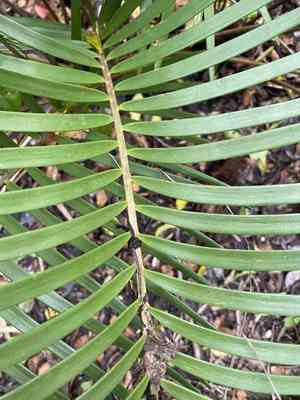
Coontie reproduces most effectively via cutting and layering techniques in the Spring and Summer seasons. This propagation process presents a moderate level of difficulty, and successful development is indicated by the appearance of fresh roots and sprouts. Provide a damp, free-draining substrate for the best outcomes.
When Is the Optimal Time to Propagate Coontie?
Propagation Method
Cutting
Propagation Period
Spring,Summer
What Implements Are Utilized in Coontie Propagation?
Sharp Pruning Shears
Crucial for obtaining cuttings, sharp pruning shears guarantee a clean incision that minimizes harm to the parent coontie and fosters robust root growth in the cutting. A precise cut aids in preventing infection and facilitates quicker recovery.
Rooting Hormone
Applied to the severed end of a coontie cutting, rooting hormone stimulates root development and helps safeguard the cut area from pathogens. This enhances the probability of successful rooting and establishment of the new plant.
Sterile Potting Mix
A sterile potting mix offers a clean growth medium for coontie cuttings, vital for avoiding soil-borne diseases. It should be well-draining and loosely packed to ensure proper root development and aeration.
Propagation Tray
This tray holds the potting medium and maintains a stable environment for coontie cuttings. It allows for multiple cuttings to be propagated simultaneously and simplifies handling, while also ensuring that the cuttings remain upright and adequately spaced.
Clear Plastic Dome or Bag
Creating a miniature greenhouse effect, a clear plastic dome or bag traps humidity and warmth around the coontie cuttings, preserving moisture and encouraging rooting without requiring constant watering. This tool is particularly important for coontie, which benefits from high humidity during the rooting process.
Heat Mat
An optional device, a heat mat gently warms the rooting zone, promoting root growth for coontie cuttings. It's especially beneficial in cooler growing environments where consistent warmth is not naturally present.
Watering Can with Fine Rose
A gentle and controlled water flow is necessary to irrigate coontie cuttings without dislodging them or causing erosion in the potting mix. A watering can with a fine rose attachment distributes water evenly and softly.
How to Nurture Your Newly Propagated Coontie?
How to Nurture Your Newly Propagated Coontie?
Coontie requires well-draining soil and a location with bright, indirect illumination. Water the plant when the top inch of soil becomes arid, and fertilize with a slow-release fertilizer formulated for palms or cycads during the active growth period. Shield from frost and ensure it is not overwatered to prevent root rot.
Common Errors to Avoid When Propagating Coontie
Overwatering
Excessive watering can lead to root rot, which is particularly harmful to coontie. This plant, being drought-tolerant, requires less frequent irrigation, especially during the propagation phase.
Planting seeds too deep
Sowing coontie seeds too deeply may hinder germination, as they need some light to initiate the process and might not be able to penetrate excessive soil cover.
Ignoring environmental conditions
Attempting to propagate coontie in an unsuitable environment can result in failure. Coontie needs well-drained soil and should not be placed in overly shaded or waterlogged areas.
Neglecting cleanliness
Coontie seeds and offsets should be handled with clean tools and placed in sterile soil to reduce the risk of infections, which can be detrimental to young plants.
Over-fertilization
While nutrients are important, excessive fertilization can burn the delicate roots of young coontie plants and impede their development.
Advice For Propagating Coontie
Proper seed preparation
Prior to sowing, coontie seeds should be steeped in warm water for 24 hours to enhance germination rates.
Appropriate soil mixture
Coontie requires a well-draining soil mixture, typically containing sand and organic matter, to prevent root rot and emulate its native growing conditions.
Correct depth for planting
Coontie seeds should be sown just beneath the soil surface, as they need light to germinate effectively.
Ideal moisture level
Maintaining a consistent but moderate moisture level in the soil is crucial for the germination and growth of coontie.
Indirect light conditions
Providing coontie with indirect sunlight will ensure the best conditions for growth, avoiding direct sun that could scorch young plants.



