How to Propagate Adam's needle?
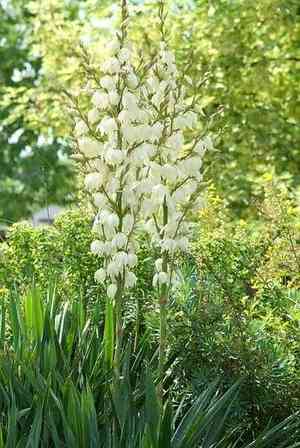
Adam's needle multiplies most effectively via cuttings taken in the spring and summer seasons. This procedure is quite straightforward and can indicate success through the emergence of new shoots. If deemed beneficial, contemplate applying a rooting stimulant to enhance the likelihood of successful propagation.
What Is the Best Time To Propagate Adam's Needle?
Propagation Type
Cutting
Propagation Season
Spring, Summer
What Tools Are Used in Adam's Needle Propagation?
Sharp Pruning Shears
Clean, sharp pruning shears are vital for taking adam's needle cuttings. They ensure a precise cut, minimizing harm to the parent plant and boosting the cutting's rooting success. A keen blade prevents jagged edges, which can cause disease and poor rooting.
Rooting Hormone
Rooting hormone aids in stimulating root development from the cut end of the cutting. Dipping the cut end in this hormone can enhance the likelihood of successful rooting for adam's needle. This is especially useful as adam's needle can be slow to root, and the hormone can speed up the process.
Sterile Potting Mix
A sterile potting mix offers a clean, disease-free environment for adam's needle cuttings to root. It must drain well to prevent waterlogging, which can lead to rot. The mix should be light enough to allow good air circulation around the cutting, crucial for root growth.
Pots with Drainage Holes
Pots with drainage holes are essential to allow excess water to escape, preventing root rot in adam's needle cuttings. These pots should be appropriately sized for the cutting, as an oversized pot can retain too much moisture around young roots.
Clear Plastic Bags or Covers
These create a mini-greenhouse effect, maintaining high humidity around the adam's needle cutting, which is vital for preventing moisture loss while roots establish. However, some ventilation is also important to prevent fungal growth.
How to Propagate Adam's Needle?
Propagation Type
Cutting
Difficulty Level
Moderately Difficult
How to Care for Your Newly Propagated Adam's Needle?
How to Care for Your Newly Propagated Adam's Needle?
After propagation, new adam's needle plants require a warm environment with ample indirect light. Water them sparingly, only when the soil has dried, as they are prone to rot with excessive moisture. Fertilization should be minimal, as adam's needle is not a heavy feeder. Gradually acclimate them to direct sunlight for eventual outdoor planting. Ensure good drainage and avoid waterlogging to maintain plant health. During winter, reduce watering further to prevent issues from cold, damp soil. Re-pot into larger containers as adam's needle grows, ensuring each pot has adequate drainage holes.
Common Mistakes to Avoid When Propagating Adam's Needle
Overwatering cuttings
Overwatering adam's needle cuttings can lead to rot, creating an environment prone to fungal infections and hindering root development.
Using non-sterile tools
Using unsterilized tools when dividing or taking offsets from adam's needle can introduce pathogens, causing infections that impede root formation and plant growth.
Planting offsets too deep
Planting adam's needle offsets too deeply can cause the base to rot, while planting them too shallowly may lead to desiccation and poor root establishment.
Ignoring pest presence
Overlooking pests on the parent plant or offsets during adam's needle propagation can spread infestations to new plants, weakening or killing young propagules.
Tips For Propagating Adam's Needle
Rooting hormone usage
Dipping the base of adam's needle offsets or cuttings in rooting hormone can boost the chances of successful root development by stimulating growth at the cut site.
Soil composition
Using a well-draining soil mix for adam's needle propagation is crucial to prevent moisture retention around the roots, thereby reducing the risk of rot.
Adequate light
Providing bright, indirect light promotes healthy growth in adam's needle cuttings and offsets without causing sunburn, which is important for successful establishment.
Maintain optimal humidity
Maintaining consistent, moderate humidity around adam's needle propagules helps prevent desiccation while also minimizing the risk of fungal growth.



