How to Propagate Soaptree yucca?
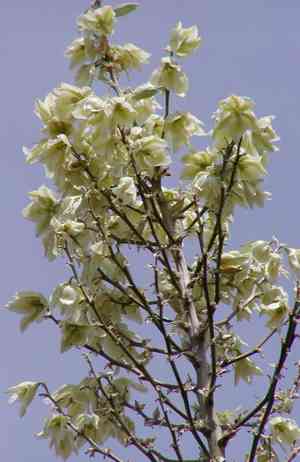
Soaptree yucca can be successfully multiplied using the cutting technique. Begin with a robust, unblemished segment of stem or offshoots, making sure several nodes are visible. Allow the severed end to desiccate and form a callus, usually over several days, to minimize the chance of decay upon planting. Insert the cutting into a porous soil blend, specifically designed for arid plants, to offer essential stability and nourishment as the root system establishes. Irrigate minimally until new development appears, signaling successful root formation.
When Is the Optimal Time to Propagate Soaptree Yucca?
Propagation Method
Cutting
Propagation Period
Autumn,Winter
What Equipment Is Utilized in Soaptree Yucca Propagation?
Sharp pruning shears
These are crucial for making clean cuts through the robust leaves and stem sections of soaptree yucca. A precise cut helps prevent harm to plant tissues, lowering infection risk and promoting faster rooting. Ensuring sharp, disinfected blades also minimizes disease transmission.
Rooting hormone powder
This substance aids in root development when propagating soaptree yucca from cuttings. By applying rooting hormone to the cut stem end, it stimulates quicker root growth, increasing the likelihood of successful plant establishment.
Well-draining potting mix
An appropriate potting mix is vital for the health of soaptree yucca cuttings. Soaptree yucca needs a mix that facilitates good drainage to prevent root rot. Components like sand, perlite, and organic matter can be combined to achieve the necessary drainage and support initial root development.
Propagating tray or containers
These are used to hold soaptree yucca cuttings in the propagating medium. It is important that these trays or containers have adequate drainage holes to prevent waterlogging, which is harmful to the health and growth of new plants.
How to Propagate Soaptree Yucca?
Propagation Type
Moderately Difficult
How to Nurture Your Newly Propagated Soaptree Yucca?
How to Nurture Your Newly Propagated Soaptree Yucca?
Once roots are established, typically within a few weeks, gradually introduce soaptree yucca to its permanent conditions by increasing sun exposure and reducing misting frequency. Water soaptree yucca when the top inch of soil feels dry and ensure it's placed in a location with full sun for most of the day. Avoid overwatering as soaptree yucca is drought-resistant and prone to root rot. As it grows, transplant soaptree yucca to a larger pot if necessary, using a similar well-draining soil mix, and fertilize sparingly during the growing season.
Common Errors to Avoid When Propagating Soaptree Yucca
Overwatering
Excess moisture can lead to root rot or fungal diseases, which are detrimental to soaptree yucca's health as it is a drought-tolerant species.
Using Poor Draining Soil
Propagation in dense soils with inadequate drainage can cause water to accumulate around the roots, increasing the risk of rot in soaptree yucca.
Excessive Handling of Seeds or Cuttings
Frequent handling or disturbance can harm the delicate roots or emerging shoots, impeding the growth of soaptree yucca.
Ignorance of Hygiene
Not using sterilized tools for cuttings or planting can introduce pathogens, affecting soaptree yucca's propagation success.
Neglecting Aftercare
Failing to provide a stable environment after propagation can lead to shock and termination of growth in soaptree yucca.
Advice for Propagating Soaptree Yucca
Use Well-Draining Soil
Plant soaptree yucca in a mix of sand and loamy soil to ensure proper drainage and mimic its natural arid habitat.
Provide Sufficient Light
Ensure soaptree yucca receives ample sunlight, replicating its native environment for optimal growth.
Be Gentle with Seeds and Cuttings
Handle soaptree yucca's seeds and cuttings with care to prevent damage and encourage successful rooting.
Sterilize Tools
Always use sterilized tools when taking cuttings from soaptree yucca to prevent the spread of disease.
Monitor and Acclimatize
Carefully monitor soaptree yucca after propagation for signs of stress and gradually acclimatize it to its new environment.



