How to Propagate Strawflower?
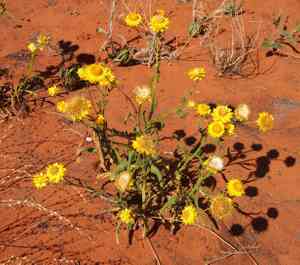
Helichrysum is most effectively multiplied by planting seeds in the springtime, presenting a moderate challenge. The appearance of young plants signifies successful propagation. Provide soil that drains efficiently and sufficient hydration for peak outcomes.
Optimal Time for Strawflower Propagation
Propagation Method
Seeding
Propagation Period
Spring
Essential Tools for Strawflower Propagation
Seed trays or flats
These shallow containers are perfect for initiating strawflower seeds. They offer ample room for seedlings to develop without crowding and facilitate easy handling during the propagation process. For strawflower, which can have numerous small seeds, seed trays aid in even distribution and optimal conditions.
Fine seedling potting mix
A quality potting medium supplies the necessary nutrients and airy structure for the delicate roots of strawflower to flourish. The mix should drain well to prevent waterlogging, yet retain enough moisture to hydrate the seeds. This balance is vital for strawflower's germination and initial growth.
Misting bottle
Strawflower seeds require consistent moisture levels without becoming waterlogged. A misting bottle allows for gentle watering that won't dislodge or bury the tiny seeds under a heavy flow. Regular misting ensures the soil surface stays moist, aiding germination.
Plastic dome or cover
Placing a plastic dome or clear cover over the seed tray helps maintain a humid microclimate around the strawflower seeds, which is beneficial for their germination. The cover also assists in temperature regulation and can be removed periodically to prevent mold growth.
Labeling materials
Labels are important for tracking sowing dates and identifying strawflower seedlings, especially when propagating multiple varieties or species. Accurate labeling contributes to better monitoring of growth progress and care requirements for the propagator.
Tweezers
When sowing strawflower seeds, which can be small and challenging to handle, tweezers can be used for precise placement. This ensures an even distribution of seeds and can help thin out seedlings if they become too crowded during initial growth.
Grow lights (optional)
For areas with insufficient natural light, grow lights can provide the necessary light spectrum that strawflower seedlings need for photosynthesis. They are particularly beneficial in the early stages of growth when strong and healthy seedling development is crucial.
How to Propagate Strawflower?
Propagation Method
Seeding
Difficulty Level
Simple
Caring for Your Newly Propagated Strawflower
Caring for Your Newly Propagated Strawflower
Post-propagation, water strawflower plants deeply but allow the soil to dry slightly between waterings. Position them in a spot with full sun exposure for optimal development. Fertilize with a balanced, slow-release product at the start of the growing season. Remove spent blooms to encourage new flower production and prevent self-seeding if desired. Strawflower is drought-tolerant once established, but consistent moisture will support the best growth. Protect from severe frosts and apply a light mulch to conserve soil moisture and regulate temperature.
Common Errors to Avoid When Propagating Strawflower
Over-watering
Watering strawflower too often can lead to root rot, as this plant prefers well-draining soil and is drought-tolerant. Excessive moisture can create an environment favorable for fungal diseases, compromising the plant's health and propagation success.
Poor cutting selection
Using weak or diseased cuttings for strawflower propagation can result in rooting or growth failure. It's crucial to select healthy and vigorous cuttings, as unhealthy specimens lack the resources to establish new growth.
Cutting size
Cuttings that are too large or too small may struggle to root. Large cuttings might require more energy to sustain themselves, while small cuttings may not have enough stored energy to initiate root growth. The correct balance is essential for successful propagation.
Ignoring soil composition
Using soil that is too dense or lacks adequate drainage can impede the root development of strawflower. The plant thrives in soil that allows for good aeration and drainage.
Neglecting humidity
While strawflower doesn't demand high humidity like some other plants, completely ignoring humidity levels can cause cuttings to dry out before they have a chance to root.
Tips For Propagating Strawflower
Rooting hormone
Applying a rooting hormone to the cut end of strawflower cuttings can significantly boost the likelihood of successful root development. This substance promotes faster root growth and a higher success rate in propagation.
Proper cutting technique
Ensure that cuttings are taken with a sharp, clean tool to prevent crushing the stem, which can hinder rooting. A clean cut is more likely to heal properly and support new growth.
Adequate light
Provide strawflower cuttings with bright, indirect light. Sufficient light is vital for photosynthesis, which supplies the energy needed for root formation, without the stress that direct sunlight can cause.
Regular monitoring
Check the cuttings of strawflower regularly for signs of growth or disease. Early detection of problems can allow for timely interventions, increasing the chances of successful propagation.
Semi-hardwood cuttings
Use semi-hardwood cuttings from strawflower - neither too green nor too woody. This part of the plant has a balance of maturity and vitality, which is conducive to rooting and initial growth.



