How to Propagate American wisteria?
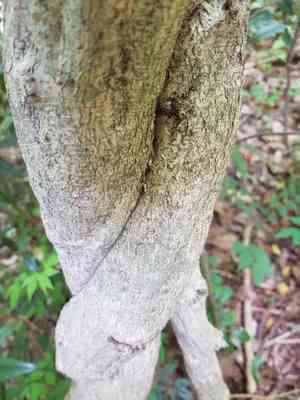
American wisteria can be reproduced in the spring or summer using tender stem sections or by employing layering techniques (compound/serpentine). Reproduction might present a moderate challenge, yet indicators of success encompass fresh development and well-formed root structures. Essential advice involves guaranteeing adequate hydration and maintaining good drainage for the cuttings or layers.
When Is the Optimal Time to Propagate American Wisteria?
Propagation Method
Cuttings
Propagation Period
Spring,Summer
What Equipment Is Used in American Wisteria Propagation?
Sharp Bypass Pruners
These pruners create precise cuts, minimizing harm to american wisteria's stems. A clean cut is vital to prevent illness and encourage robust rooting.
Rooting Hormone
This enhances the likelihood of successful root formation in american wisteria. Applied to the cut stem end, it reliably stimulates root growth.
Sterile Potting Mix
Ensures a pathogen-free environment for american wisteria's cuttings to root. A sterile medium prevents fungal and bacterial growth that could harm delicate new roots.
Propagation Tray
Holds the potting mix and american wisteria cuttings in an organized fashion. A tray with a humidity dome can create a micro-environment with high humidity, beneficial for cutting survival.
Heating Mat
Provides warmth to the base of the propagation tray, which promotes root development in american wisteria. Consistent, gentle heat can significantly improve rooting success rates.
Misting Bottle
Allows for gentle irrigation without disturbing the potting mix or the cuttings. Adequate moisture around american wisteria is important to prevent desiccation before the roots form.
Labels and Markers
Used to identify american wisteria cuttings, especially when propagating multiple plant species. Proper labeling helps track growth progress and maintain a propagation schedule.
How to Nurture Your Newly Propagated American Wisteria?
How to Nurture Your Newly Propagated American Wisteria?
After propagation, american wisteria needs consistent watering to keep the soil moist but not waterlogged. Provide sturdy support as american wisteria is a climbing plant and will need a structure to grow on. Fertilize lightly with a balanced fertilizer in spring, and prune as necessary to control size and encourage branching. Protect from harsh winter weather until fully established.
Common Errors to Avoid When Propagating American Wisteria
Over-watering cuttings
Excessive moisture can lead to root rot and fungal issues, compromising the health of american wisteria's cuttings.
Using non-sterile tools
Propagation with contaminated tools may introduce pathogens, harming or killing the cuttings of american wisteria.
Poor choice of planting medium
An improper substrate can lead to poor root development or disease in american wisteria, impeding successful propagation.
Cutting at the wrong node
Incorrect cutting may result in inadequate rooting, affecting american wisteria's ability to establish itself.
Neglecting humidity needs
Failing to maintain adequate humidity can cause the cuttings of american wisteria to dry out, leading to poor or no root development.
Advice For Propagating American Wisteria
Adequate watering
Provide sufficient moisture to american wisteria's cuttings without causing waterlogging to encourage healthy root growth.
Use of sterile equipment
Utilize clean and disinfected tools when taking cuttings of american wisteria to prevent the spread of disease.
Proper soil mix
Choose a well-draining and fertile propagation medium for american wisteria to foster robust root systems.
Appropriate cutting technique
Take cuttings from healthy parts of american wisteria and make precise cuts at the nodes to optimize root initiation.
Humidity control
Maintain a humid environment for american wisteria's cuttings to prevent dehydration and support rooting.



