How to Propagate Wine grape?
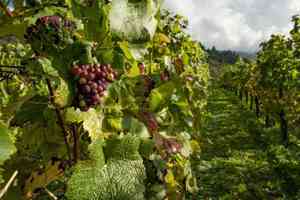
Vitis vinifera exhibits a strong likelihood of successful reproduction via softwood cuttings and layering techniques throughout the spring and summer seasons. The challenge level for propagation is quite modest, with indicators of successful establishment being new foliage emergence and root formation. Guarantee appropriate soil hydration and adequate spacing to foster thriving development.
Optimal Timing for Wine Grape Propagation
Propagation Method
Cutting
Propagation Period
Spring,Summer
Tools Required for Wine Grape Propagation
Pruning Shears
Pruning shears are vital for taking cuttings from wine grape. They enable clean, precise cuts, minimizing harm to the parent plant. Stainless steel blades are preferred for their durability and resistance to sap, crucial for preventing disease spread during cutting.
Rooting Hormones
Rooting hormones encourage root development from wine grape cuttings. Applying these hormones to the cut end enhances the likelihood of successful root formation, which is critical for wine grape, as it establishes the basis for nutrient absorption and stability in the new environment.
Sterilization Equipment (e.g., alcohol or bleach solution)
Sterilizing equipment like alcohol or bleach solutions ensures all tools are pathogen-free. This step is essential for wine grape propagation to prevent the transmission of diseases that could jeopardize the cuttings' ability to establish and grow.
Propagation Trays or Containers
These containers hold wine grape cuttings in a stable environment to promote rooting. They should have adequate drainage and be appropriately sized for the number of cuttings. Good drainage prevents excessive moisture, which can lead to rot in wine grape cuttings.
Substrate (Sterile Potting Mix or Perlite)
The substrate for wine grape cuttings should be sterile and well-draining to offer proper support and aeration for new roots. A blend of peat, perlite, and vermiculite is commonly used for wine grape to balance moisture retention and drainage.
Plastic Bags or Covers
Creating a humid microclimate around wine grape cuttings helps prevent moisture loss through transpiration. Plastic bags or covers maintain high humidity levels, which are important for leafy cuttings of wine grape as they lack roots to absorb water yet.
Labeling Materials
Labels with key information such as the cutting date and wine grape variety assist in tracking propagation progress and success rates. Proper labeling is important for managing multiple varieties and avoiding confusion.
Caring for Newly Propagated Wine Grape
Caring for Newly Propagated Wine Grape
Post-propagation, continue to water the new wine grape vines regularly, allowing the soil to dry slightly between waterings. Provide support, such as a trellis, and train the young vines to encourage proper growth. Gradually acclimate to more direct sunlight and protect from extreme temperatures. Apply a balanced fertilizer during the growing season to support healthy development. Regularly inspect for pests and diseases, and prune as necessary to maintain vine structure and promote air circulation.
Common Errors to Avoid When Propagating Wine Grape
Poor cutting selection
Choosing weak or diseased cuttings can result in inadequate or no root development, jeopardizing the success of wine grape propagation.
Incorrect cutting size
Cuttings that are too short may not contain enough nodes to support root and shoot growth, while overly long cuttings can be harder to manage and have a higher risk of rot.
Excessive watering
Too much moisture can cause wine grape cuttings to rot before they establish roots, leading to failed propagation efforts.
Failure to remove lower leaves
Not removing leaves from the lower part of cuttings can lead to decay when placed in the rooting medium, which can infect the cutting and reduce successful propagation.
Using unsterilized tools
Propagating with contaminated tools can introduce pathogens to wine grape cuttings, hindering their growth and potentially spreading disease.
Tips For Propagating Wine Grape
Healthy cutting selection
Choose robust, disease-free cuttings from mature wood with at least 2-3 nodes to ensure a higher chance of successful rooting for wine grape.
Optimal cutting length
Prepare cuttings 6-8 inches long to balance manageability and provide sufficient nodes for root and shoot development.
Appropriate watering
Maintain a moisture balance in the rooting medium that keeps wine grape cuttings hydrated but not waterlogged to prevent rot and encourage root formation.
Lower leaf removal
Strip all leaves from the bottom half of the cutting to prevent decay in the rooting medium and direct the cutting's energy towards root development.
Use of sterilized tools
Always use clean, sterilized pruning tools to make cuts and handle wine grape's propagation material to minimize the risk of introducing diseases.



