How to Propagate Riverbank grape?
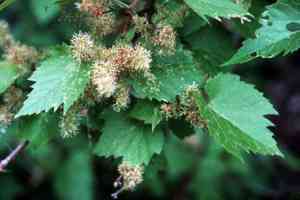
Vitis riparia can be reproduced via tender stem sections or by layering techniques throughout the spring and summer periods. The ease of propagation may differ, yet indicators of successful reproduction encompass fresh roots and nascent shoots. To enhance the likelihood of success, employ a rooting stimulant and ensure the cuttings or layers remain continuously damp.
When Is the Optimal Time to Propagate Riverbank Grape?
Propagation Method
Cutting
Propagation Period
Spring,Summer
What Equipment Is Used for Riverbank Grape Propagation?
Sharp pruning shears or scissors
These instruments are crucial for obtaining healthy, clean sections from the parent riverbank grape plant. They minimize harm and disease risk, enabling precise cuts to be made just below a node. Sharp blades reduce stress on plant tissues, which can improve the likelihood of successful rooting.
Rooting hormone
Applying rooting hormone to the severed end of riverbank grape cuttings can significantly boost the probability of successful root development. It contains synthetic auxins that mimic natural plant hormones, promoting quicker and more consistent root growth.
Sterile potting mix or rooting medium
A sterile substrate is essential to prevent any fungal or bacterial diseases that could harm the newly propagated riverbank grape cuttings. The mix should offer adequate aeration and moisture retention to support root growth without compacting or becoming waterlogged.
Plant pots or trays with drainage holes
These containers facilitate proper drainage and prevent excessive water retention, which can lead to root rot. They help maintain an ideal environment for the riverbank grape cuttings as they establish their root system.
Plastic covers or humidity domes
Maintaining high humidity levels around the riverbank grape cuttings is vital to prevent water loss through transpiration. Covers or domes can create a micro-environment with the necessary humidity that mimics greenhouse conditions, which helps the cuttings retain moisture as they develop roots.
Labels and markers
Proper labeling ensures tracking of the riverbank grape cuttings' progress and assists in monitoring their individual development. This is essential for maintaining an organized propagation setup and making any necessary adjustments for each cutting.
How to Nurture Your Newly Propagated Riverbank Grape?
How to Nurture Your Newly Propagated Riverbank Grape?
Once the riverbank grape cutting has developed a robust root system, which you can confirm by gently pulling on the stem to feel resistance, gradually acclimate the plant to outdoor conditions before transplanting it to its permanent location. Ensure the soil is fertile and well-draining with ample sun exposure, and maintain consistent moisture levels without overwatering. Support riverbank grape with a trellis or similar structure as it grows to manage its vigorous climbing habit.
Common Errors to Avoid When Propagating Riverbank Grape
Neglecting humidity control
Without appropriate humidity levels, riverbank grape cuttings may not form roots effectively, potentially leading to desiccation or decay.
Overwatering
Saturating the soil can result in root rot, which is detrimental to riverbank grape cuttings' health, impeding successful propagation.
Using non-sterile tools
Propagation failure can occur due to infections from pathogens transferred by unclean equipment, affecting riverbank grape's ability to root and grow.
Choosing weak or diseased cuttings
Selecting such specimens can lead to poor root development and reduced vigor, lowering the chance of riverbank grape's survival.
Ignoring callus formation
Failing to allow a callus to form before planting can make riverbank grape cuttings susceptible to rot and infection.
Advice for Propagating Riverbank Grape
Use semi-hardwood cuttings
Semi-hardwood cuttings from riverbank grape possess the ideal balance of maturity and growth potential, leading to better rooting.
Maintain controlled humidity
Ensuring a balanced humidity level around riverbank grape cuttings will support the formation of healthy roots without excessive moisture.
Ensure cuttings are healthy
By only utilizing robust and disease-free material for propagation, riverbank grape's chances of successful rooting increase.
Apply rooting hormone
The application of rooting hormones can stimulate root growth and enhance the overall success rate of propagation for riverbank grape.
Monitor soil moisture carefully
Keeping the soil moist but not saturated helps riverbank grape cuttings establish roots without the risk of overwatering.



