How to Propagate Amur grape?
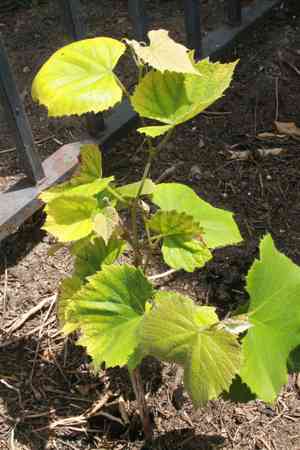
Vitis amurensis, recognized for its robustness and endurance in frigid environments, can be multiplied via cuttings, a convenient and effective technique favored by cultivators. For successful propagation, specimens ought to be harvested from vigorous, uninfected mother plants, making sure each segment possesses multiple nodes. Rooting stimulant can boost root formation, while a porous soil substrate encourages robust root expansion without the danger of water saturation. Steady humidity and warmth will facilitate the rooting procedure, but refrain from excessively damp circumstances that could cause decay.
Optimal Period for Amur Grape Propagation
Propagation Method
Cutting
Propagation Period
Spring,Summer
Tools Required for Amur Grape Propagation
Sharp Pruning Shears
Crucial for making precise cuts from amur grape, sharp pruning shears minimize harm to the parent plant and boost the chances of successful rooting. Clean cuts prevent tissue fraying, reducing disease risk and cutting stress.
Rooting Hormone
This aids in stimulating root development in amur grape cuttings. Dipping the base of each cutting into rooting hormone significantly improves the likelihood of successful root formation, encouraging quicker establishment and stronger root systems.
Sterile Potting Mix
Employing a sterile potting mix prevents the introduction of pathogens to new amur grape cuttings. This medium offers adequate drainage and aeration, essential for root formation and the general health of the propagules.
Propagation Tray
Useful for organizing and managing multiple amur grape cuttings, propagation trays ensure each cutting has ample space and access to consistent environmental conditions. They also facilitate efficient moisture and temperature management, key factors in root development.
Plastic Covers or Humidity Domes
These covers help maintain a high humidity environment around amur grape cuttings, which is vital to prevent drying out before new roots form. Consistent and adequate humidity also helps accelerate the rooting process.
Amur Grape Propagation Difficulty
Propagation Type
Moderately Difficult
Post-Propagation Care for Amur Grape
Post-Propagation Care for Amur Grape
Following successful propagation, gradually introduce rooted amur grape cuttings to typical outdoor conditions if they began indoors. Initially, shield them from direct sunlight and strong winds. Water regularly to keep the soil consistently moist, but avoid waterlogging. As plants mature, provide a support structure like a trellis or fence for climbing. Fertilize with a balanced, slow-release fertilizer suitable for fruiting vines after the first year of growth to encourage healthy development and eventual fruit production.
Common Errors to Avoid During Amur Grape Propagation
Overwatering cuttings
Excessive moisture can cause amur grape cuttings to rot before rooting, leading to propagation failure. Maintaining optimal moisture levels is crucial for cuttings to develop roots successfully without succumbing to fungal infections.
Taking cuttings from unhealthy vines
Using cuttings from diseased or weak amur grape vines results in poor root development and propagation failure. Cuttings should be sourced from vigorous and healthy parent plants to ensure strong growth potential.
Planting cuttings in poor soil
Substandard soil conditions do not support the delicate process of root development in amur grape cuttings. Dense or nutrient-deficient soil can impede root growth and the overall success of establishing new plants.
Neglecting humidity for cuttings
Ignoring the need for a humid environment can lead to desiccation of amur grape cuttings before they can root. High humidity aids in preventing moisture loss and promotes successful rooting.
Amur Grape Propagation Tips
Use sharp and clean tools
Ensuring the use of sterilized and sharp cutting tools helps in making clean cuts without damaging amur grape tissues, which is vital for preventing infections and encouraging healthy rooting.
Select the right type of cutting
Choosing semi-hardwood cuttings from amur grape that are neither too young nor too mature improves the likelihood of successful rooting, as such cuttings strike a balance between flexibility and stored energy.
Provide bottom heat
Applying a gentle heat source to the base of the growing medium for amur grape cuttings can stimulate root growth. This simulates natural conditions where soil is warmer at the root zone, promoting faster rooting.
Use rooting hormones appropriately
Rooting hormones can significantly enhance root development in amur grape cuttings when applied correctly. It's essential to follow the instructions for concentration and application to prevent damage to the cuttings.



