How to Propagate Prostrate blue violet?
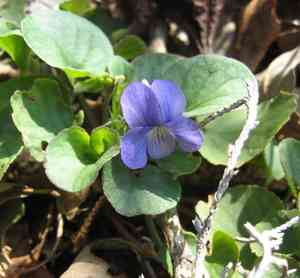
Viola tricolor, a member of the Viola genus, flourishes when reproduced via cuttings. Cultivators ought to choose robust, non-blooming stems during an active development period. Cuttings should measure approximately 2-3 inches in length, possess multiple leaves, and have their bottom leaves detached. A rooting stimulant can boost successful rooting, although Viola tricolor also establishes roots effectively in a damp, adequately draining soil blend. For vigorous development, position the cuttings in diffused illumination and sustain uniform hydration.
What Is the Best Time To Propagate Prostrate Blue Violet?
Propagation Type
Cutting
Propagation Season
Spring,Summer
What Tools Are Used in Prostrate Blue Violet Propagation?
Sharp pruning shears
Sharp pruning shears are crucial for making clean cuts when taking prostrate blue violet cuttings. Using a sharp tool minimizes harm to both the parent plant and the cutting, aiding in better healing and growth. Clean cuts help prevent infection and promote quicker root development.
Rooting hormone
Rooting hormone is utilized to encourage root formation from prostrate blue violet cuttings. Applying rooting hormone to the cut end of the cutting increases the likelihood of successful root development, providing the necessary hormonal support for root tissue growth.
Sterile potting mix
A sterile potting mix offers a clean, controlled environment, free from harmful pathogens that could affect vulnerable prostrate blue violet cuttings. Using a sterile mix ensures that new prostrate blue violet roots are not exposed to diseases, which is vital for establishing healthy new plants.
Propagation tray
A propagation tray is perfect for organizing and maintaining multiple prostrate blue violet cuttings in a confined area. These trays help maintain consistent moisture levels and temperature, which are critical for successful prostrate blue violet rooting.
Plastic dome or cover
A plastic dome or cover helps maintain high humidity around prostrate blue violet cuttings, which is essential to prevent them from drying out before rooting. The dome also keeps temperatures stable, facilitating effective rooting.
How to Propagate Prostrate Blue Violet?
Propagation Type
Easy
How to Care for Your Newly Propagated Prostrate Blue Violet?
How to Care for Your Newly Propagated Prostrate Blue Violet?
Once prostrate blue violet cuttings have successfully rooted, typically visible within 4-6 weeks, gradually introduce them to less humid conditions by removing the plastic covering or humidity dome for longer periods daily. Keep the soil moist but not waterlogged and provide indirect light. When new growth appears strong, begin applying a balanced, diluted liquid fertilizer every 4-6 weeks during the growing season. Avoid overwatering and ensure proper drainage for healthy growth.
Common Mistakes to Avoid When Propagating Prostrate Blue Violet
Overwatering
Excessive watering can lead to root rot, a condition where root tissues decay, diminishing prostrate blue violet's ability to absorb nutrients and water. This can significantly hinder growth and ultimately cause the plant's demise.
Excessive handling of roots
Handling roots too often or too roughly can damage delicate root tissues, causing stress and injury that impede the prostrate blue violet rooting process. Such handling can also introduce pathogens, further jeopardizing plant health.
Inadequate light during rooting
Insufficient light can hinder the rooting and initial growth phase of prostrate blue violet. This may result in weaker plants with reduced vigor, making them more susceptible to diseases and environmental stresses.
Tips For Propagating Prostrate Blue Violet
Moderate watering
Maintain consistently moist soil, but ensure it is not waterlogged. This helps provide a favorable environment for root development without the risks associated with overwatering prostrate blue violet.
Gentle root handling
When transplanting or dividing prostrate blue violet, handle the roots carefully to minimize stress and physical damage. This promotes healthier and quicker establishment in the new location.
Adequate lighting
Provide indirect but bright light for prostrate blue violet during the initial stages of growth post-propagation. This encourages robust growth and aids in the successful establishment of the plant.



