How to Propagate Johnny jump up?
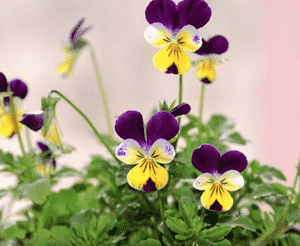
Johnny jump up can be readily multiplied by planting seeds in early Spring. It demands little exertion, and successful multiplication is evident when seedlings emerge. To achieve optimal outcomes, gently blanket the seeds with fine earth and ensure sufficient hydration.
Optimal Time for Johnny Jump Up Propagation
Propagation Method
Seeding
Propagation Period
Spring
Tools Required for Johnny Jump Up Propagation
Seed trays or pots
These containers offer an appropriate setting for planting seeds, enabling regulated soil conditions and simple seedling management. For johnny jump up, shallow trays or small pots are perfect since they don't need deep soil for sprouting.
Fine-textured potting mix
A premium, well-draining, and nutrient-rich potting mix fosters robust seed germination and root growth. It also guarantees that the delicate roots of johnny jump up seedlings are not hindered by dense or poorly aerated soil.
Vermiculite or Perlite
Lightweight and porous, these substances enhance aeration and drainage when blended with potting soil, which is crucial for preventing root diseases during the initial stages of johnny jump up development.
Watering can with a fine rose
Ensures a gentle, rain-like water flow, which is necessary to moisten the soil without disturbing or exposing the tiny johnny jump up seeds.
Misting bottle
A device for lightly misting the soil surface, which helps keep johnny jump up seeds adequately moist without over-saturating them, a key factor in preventing seed decay.
Clear plastic cover or humidity dome
Creates a miniature greenhouse effect, maintaining high humidity and warmth to boost johnny jump up seed germination rates. It also aids in retaining soil moisture.
Labels and markers
Essential for organizing and identifying seed trays or pots, especially when propagating multiple johnny jump up varieties or different species simultaneously.
Tweezers or small dibber
These instruments assist in precisely placing tiny johnny jump up seeds onto the soil surface, ensuring even spacing and minimizing seed waste.
How to Propagate Johnny Jump Up?
Propagation Type
Sowing
Difficulty Level
Easy
Caring for Your Newly Propagated Johnny Jump Up
Caring for Your Newly Propagated Johnny Jump Up
Following johnny jump up propagation, ensure they receive sufficient water, particularly during dry spells. However, be wary of overwatering, as johnny jump up dislikes waterlogged soil. Fertilization is generally not needed if the soil is rich, but a light application of a balanced fertilizer can be beneficial in early spring. Remove spent flowers regularly to encourage continuous blooming throughout the season. Shield johnny jump up from extreme heat and apply mulch to retain soil moisture and regulate soil temperature. Monitor for pests and diseases and manage them appropriately if they appear.
Common Errors to Avoid When Propagating Johnny Jump Up
Overwatering
Excessive watering can lead to root rot or fungal diseases for johnny jump up, especially since they prefer well-drained soil. Waterlogged conditions are detrimental to root health and can severely impact the plant's growth and survival.
Deep sowing
Planting seeds too deeply can hinder germination in johnny jump up, as they require a certain amount of light to initiate the growth process. Too much soil over the seeds can block the necessary light and inhibit sprouting.
Ignoring pest control
Neglecting to protect johnny jump up from pests during propagation can impede growth and development. Common pests such as aphids can weaken young plants, making them less likely to establish and thrive.
Heavy soil use
Using soil that is too dense or clay-rich can obstruct the drainage and aeration needed by johnny jump up. Poor soil conditions can hinder root development and decrease propagation success.
Tips For Propagating Johnny Jump Up
Surface sowing
For johnny jump up, it's crucial to sow the seeds on the soil surface or with a very light soil covering. They need ample light for optimal germination, which is inhibited by deep sowing.
Moisture, not wetness
Maintain consistent moisture for johnny jump up seeds without making the soil wet. A damp, well-draining soil mixture supports germination without the adverse effects of overwatering.
Gentle feeding
Once johnny jump up has sprouted and developed a few true leaves, provide a gentle, balanced fertilizer to encourage strong growth. Over-fertilizing can harm delicate seedlings, so less is often more.
Pest monitoring
Regularly inspect johnny jump up seedlings for signs of pests. Proactively managing pests with appropriate treatments can prevent infestations that compromise the health and vigor of young plants.



