How to Propagate Common blue violet?
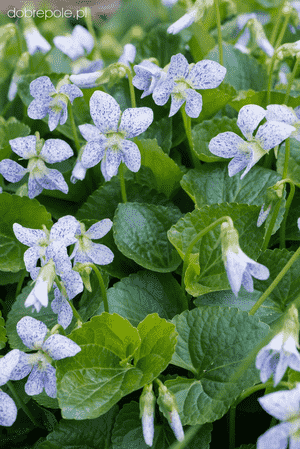
Common blue violet primarily reproduces by planting seeds in the spring, which is the most suitable period. This method is quite straightforward, and successful reproduction is evident when robust young plants emerge. Provide adequate distance between them for best development.
Optimal Time for Common Blue Violet Propagation
Propagation Method
Seeding
Propagation Period
Spring
Essential Tools for Common Blue Violet Propagation
Seed trays or flats
These containers are perfect for initiating common blue violet seeds. They allow for numerous seeds to be sown in a confined area. Their consistent depth and spacing aid in the regulated development of seedlings.
Sterilized potting mix
A premium, pathogen-free potting mix fosters robust seedling development for common blue violet and reduces the likelihood of soil-borne illnesses that can impact germination and the health of young plants.
Misting bottle or fine spray nozzle
Ensures gentle irrigation without displacing common blue violet seeds. The fine mist delivers adequate moisture for seed germination without causing soil erosion within the tray.
Plastic dome or clear cover
Creating a miniature greenhouse effect, this maintains humidity and warmth around common blue violet seeds, which are vital for germination. The transparent cover also permits light to reach the seeds, which is necessary for the growth of certain plant species.
Heat mat
This device provides warmth from below, which can be especially beneficial for common blue violet if it needs higher soil temperatures to enhance germination rates. Consistent heat is crucial for many seeds to sprout successfully.
Grow lights
If natural light conditions are insufficient, grow lights can provide the necessary light spectrum for common blue violet seedlings to grow strong and healthy. Proper illumination is essential for photosynthesis and prevents etiolation.
Labeling tags
These assist in tracking sown common blue violet seeds, particularly during staggered planting or when propagating multiple varieties. Accurate labeling ensures precise monitoring and care of seedlings.
How to Propagate Common Blue Violet?
Propagation Type
Sowing
Difficulty Level
Easy
Caring for Your Newly Propagated Common Blue Violet
Caring for Your Newly Propagated Common Blue Violet
Following propagation, common blue violet requires consistent moisture, especially during its initial growth season. Mulching helps retain soil moisture and control weeds. Place common blue violet in a partially shaded spot and shield it from extreme heat. Fertilize sparingly with a balanced fertilizer to encourage growth, but avoid excessive fertilization which can result in fewer blooms. Monitor for pests and diseases, treating as needed.
Common Errors to Avoid When Propagating Common Blue Violet
Overwatering
Supplying common blue violet with too much water can lead to root rot and fungal infections. These plants prefer moist conditions, but they are susceptible to overwatering, particularly when young and their root systems are not fully developed.
Deep planting
Planting common blue violet's rhizomes or seeds too deeply in the soil can hinder proper germination and prevent the plant from reaching the soil surface, thereby impacting its growth and spread.
Ignoring soil quality
Failing to ensure that the soil has adequate drainage or the correct amount of organic matter can impede common blue violet's growth. Common blue violet thrives in rich, well-draining soil, and providing suboptimal soil conditions can negatively affect plant health and vigor.
Excessive handling
Handling common blue violet too frequently during the propagation process, especially when separating rhizomes or managing seedlings, can cause undue stress and damage, leading to poor plant establishment and growth.
Tips For Propagating Common Blue Violet
Gentle division
Carefully dividing common blue violet rhizomes with minimal root disturbance promotes successful propagation. The plant's delicate roots should be handled gently to prevent damage, ensuring a healthier transition when replanted.
Shallow seeding
Sowing common blue violet's seeds just beneath the soil surface, as they need light to germinate effectively. Covering the seeds with a thin layer of soil or lightly pressing them into the surface will provide optimal conditions for germination.
Consistent moisture
Maintaining steady soil moisture levels creates a favorable environment for common blue violet. Watering should keep the soil moist but not waterlogged, supporting consistent growth without the risk of root diseases caused by excess water.
Soil amendment
Enriching the soil with organic matter like compost or aged manure improves drainage and soil structure. This creates an ideal growing environment for common blue violet, fostering robust health and better disease resistance.



