How to Propagate Common periwinkle?
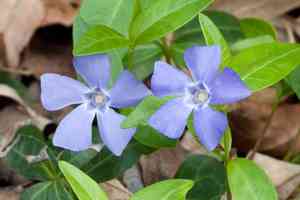
Vinca minor is a plant variety frequently multiplied via soft stem sections in the Spring and Summer seasons. The ease of propagation is minimal, and the formation of roots signifies successful multiplication. Essential advice involves maintaining sufficient hydration and applying a rooting hormone compound.
Optimal Time for Common Periwinkle Propagation
Propagation Method
Cutting
Propagation Period
Spring, Summer
Tools for Common Periwinkle Propagation
Secateurs or pruning shears
These instruments are used to take cuttings from common periwinkle. The blades must be sharp and clean to ensure a precise cut that will heal quickly and minimize disease risk. For common periwinkle, a clean cut is vital as it aids the rooting process and ensures minimal harm to the parent plant.
Rooting hormone powder or gel
This product is applied to the cut end of the common periwinkle cutting to stimulate root growth and enhance the chances of successful rooting. The rooting hormone contains synthetic auxins that mimic the plant's natural growth hormones, promoting quicker root initiation on common periwinkle cuttings.
Potting mix
A well-draining, sterile potting mix offers the ideal medium for common periwinkle cuttings to root. The potting mix should be light and airy to allow for oxygen penetration and to prevent waterlogging, which can cause rot in common periwinkle cuttings.
Propagation tray or pots
These containers hold the potting mix and common periwinkle cuttings. They should have drainage holes and be appropriately sized for the number of cuttings being propagated. Proper containers help maintain consistent moisture levels and support the growth of new roots.
Clear plastic cover or humidity dome
This tool maintains high humidity around the common periwinkle cuttings, which is crucial for preventing moisture loss through the leaves before the roots have developed. The cover or dome also protects the cuttings from direct sunlight and pests while still allowing light penetration.
Watering can with a fine rose or spray bottle
Consistent moisture is crucial for common periwinkle cuttings to root successfully. A watering can with a fine rose or a spray bottle is used to gently water the soil without disturbing the cuttings. This ensures that the potting mix stays moist but not saturated.
Plant labels and marker
Labels are essential for keeping track of common periwinkle cuttings, especially when propagating multiple varieties or species. A weatherproof marker is used to note the date and type of cutting on the label, which helps monitor rooting progress and maintain organized records.
How to Propagate Common Periwinkle?
Propagation Method
Cutting
Difficulty Level
Easy
Caring for Your Newly Propagated Common Periwinkle
Caring for Your Newly Propagated Common Periwinkle
After successful propagation, continue to keep common periwinkle in a location with partial to full shade, as it prefers these conditions. Water the newly propagated common periwinkle regularly to maintain evenly moist soil. As it becomes established, reduce watering, though ensure common periwinkle does not become completely dry. Apply a balanced, slow-release fertilizer in the spring to support healthy growth. Mulch around common periwinkle to retain moisture and suppress weeds. Prune common periwinkle regularly to maintain the desired shape and prevent overgrowth.
Common Mistakes to Avoid When Propagating Common Periwinkle
Overwatering
When propagating common periwinkle, a frequent error is providing too much water, which can lead to root rot. The moist environment is ideal for fungal growth, which can severely diminish the plant's health and hinder rooting.
Deep planting
Planting common periwinkle cuttings too deeply can cause them to rot before they establish roots. It's crucial for the node where the leaves meet the stem to be just below the soil surface to allow for adequate root formation.
Neglecting to remove lower leaves
When propagating common periwinkle, failing to remove the leaves that will be below the soil can lead to decay and potential fungal issues. The submerged leaves decompose and can negatively affect the health of the cutting.
Ignoring humidity
Lack of adequate humidity during the initial rooting can cause common periwinkle to lose more water through transpiration than the roots can absorb, leading to wilting and reduced chance of survival.
Tips For Propagating Common Periwinkle
Stem cutting selection
Choose healthy and vigorous stems from common periwinkle for cuttings. These stems have a higher likelihood of rooting successfully, resulting in stronger, more resilient new plants.
Proper node placement
Place the node of the common periwinkle cutting, where leaves and roots originate, right at the soil line. This ensures that roots develop effectively and the cutting remains stable.
Soil choice
Use well-draining soil mix for common periwinkle propagation. A mixture with perlite or vermiculite encourages proper drainage and aeration, essential for root development.
Humidity and watering balance
While keeping the soil moist for common periwinkle cuttings, ensure you're not overwatering and use a plastic cover or propagation dome to maintain humidity. It creates a beneficial microclimate for cuttings without making them too wet.



