How to Propagate Greater periwinkle?
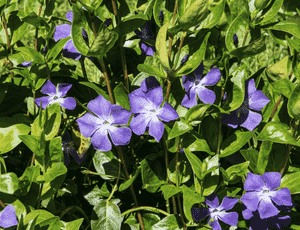
Vinca major can be multiplied during the Spring and Summer seasons by employing soft stem cuttings. Its propagation presents a moderate level of challenge. Indicators of successful multiplication encompass fresh shoots and the formation of roots. During the propagation process, confirm that the cuttings originate from robust specimens and are maintained in a warm, humid setting.
Optimal Period for Greater Periwinkle Propagation
Propagation Method
Cutting
Propagation Period
Spring, Summer
Tools Required for Greater Periwinkle Propagation
Sharp Pruning Shears
These are crucial for obtaining clean, precise cuttings from greater periwinkle. Sharp blades prevent jagged cuts, which could hinder rooting and increase infection risk. Shears must be disinfected before use to prevent disease spread.
Rooting Hormone Powder or Gel
Applied to the cutting's base to stimulate root growth. For greater periwinkle, with its softwood stems, a rooting hormone significantly boosts rooting success. It encourages root development and protects against rot and fungal infections.
Sterile Potting Mix
Used as a rooting medium, a sterile potting mix helps prevent disease while offering adequate aeration and moisture retention for greater periwinkle's developing roots. The absence of pathogens is vital for new cuttings' health.
Propagation Tray
A propagation tray offers a controlled environment for greater periwinkle cuttings. It maintains consistent moisture and, with a clear plastic lid, creates a mini-greenhouse effect, promoting high humidity and temperature beneficial for root development.
Heating Mat (Optional)
Though not always essential, a heating mat can maintain a steady warm temperature at the propagation tray's base. This is especially useful for greater periwinkle cuttings in cooler settings, as warmth can accelerate root growth.
Misting Bottle
Used to gently water cuttings without disturbing the soil, a misting bottle helps keep high humidity around greater periwinkle cuttings. Frequent light misting is vital to keep cuttings hydrated until roots develop and can absorb soil moisture.
Clean Water
Water is necessary for preparing the potting mix and keeping greater periwinkle cuttings hydrated. Using clean water is important to avoid introducing contaminants or pathogens into the propagation environment.
How to Propagate Greater Periwinkle?
Propagation Method
Cutting
Difficulty Level
Easy
Caring for Your Newly Propagated Greater Periwinkle
Caring for Your Newly Propagated Greater Periwinkle
After successful greater periwinkle propagation, continued proper care is essential. Place new plants in dappled sunlight or partial shade, as full sun can be too intense. Water regularly to keep soil consistently moist. Avoid overwatering to prevent root rot. Gradually expose plants to more sunlight for hardening off. Fertilize with a balanced, slow-release fertilizer to encourage healthy growth. Regularly check for pests and diseases, taking necessary action. Mulching helps retain soil moisture and suppress weeds. With proper care, greater periwinkle will establish and become lush and vibrant.
Common Errors to Avoid When Propagating Greater Periwinkle
Overwatering
Excessive watering can cause root rot in greater periwinkle, as they prefer well-draining soil and are prone to fungal diseases in overly moist conditions.
Excessive sunlight
Exposing greater periwinkle to too much direct sunlight can scorch leaves and hinder root development during propagation, as they thrive in partial shade.
Cuttings too short
Propagating greater periwinkle from overly short cuttings limits stored energy for new root production, potentially leading to unsuccessful rooting.
Ignoring node placement
Failing to include a node in greater periwinkle stem cuttings is a mistake, as nodes are the primary sites for root initiation.
Tips For Propagating Greater Periwinkle
Use of rooting hormone
Applying a rooting hormone to the cut end of greater periwinkle can stimulate root growth and enhance the likelihood of successful propagation.
Stem section length
Ensuring stem cuttings are at least 4-6 inches long with several leaf sets will provide sufficient energy and nutrients for greater periwinkle rooting.
Adequate moisture
Maintaining consistent moisture without waterlogging is crucial for greater periwinkle, preventing dehydration while also avoiding root rot.
Proper potting mix
Using a well-draining potting mix or soil blend suitable for greater periwinkle facilitates proper aeration and moisture balance necessary for healthy root development.



